
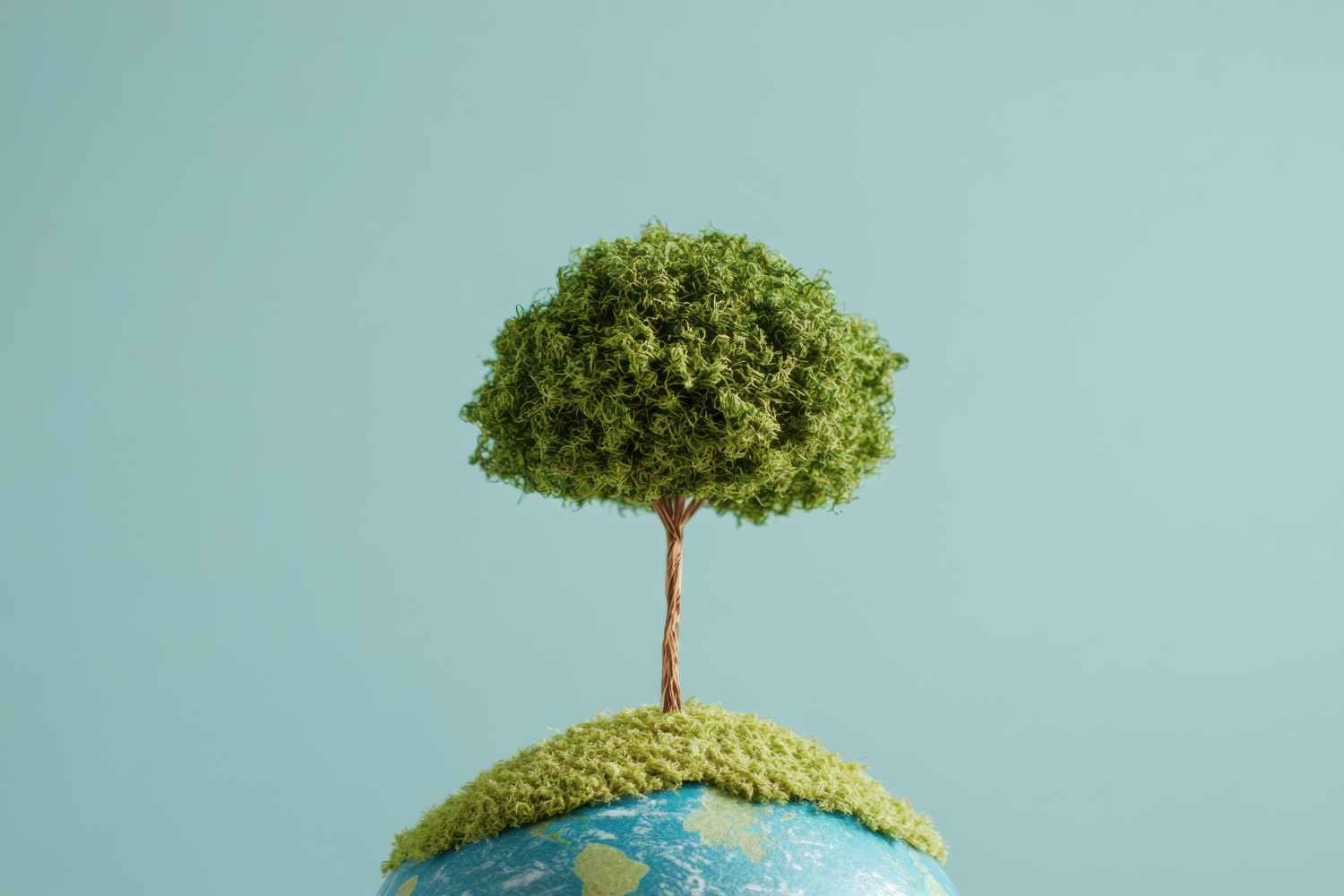
There was a time when nature was only a background, an inexhaustible resource available to man. Ecological sensitivity, today the epicenter of contemporary consciousness, was not born suddenly. She has sprouted slowly, nourished both by science and from the ink of newspapers and television images. Its turning point has a name and a date: “Silent spring”, 1962.
It was in that year and with that title that the US biologist Rachel Carson published a book destined to change the history by revealing to the world the devastating effects of pesticides, such as the DDT, on ecosystems and on human health, and painting a future without the song of the birds: a “silent spring”, in fact. This lies the value and the revolutionary narrative model of Carson: translating complex data into a powerful and accessible narrative, a model of “Science Communication” ante litteram.
Man is part of nature and his war against nature is inevitably a war against himself (Rachel Carson).
His work was not confined to academic environments. Thanks to a massive coverage by magazines such as The New Yorker and television services that amplified its message, the Carson’s complaint became a public question, triggering a national debate that led to the ban on the DDT and the creation, in 1970, of the environmental protection agency (EPA) in the United States.
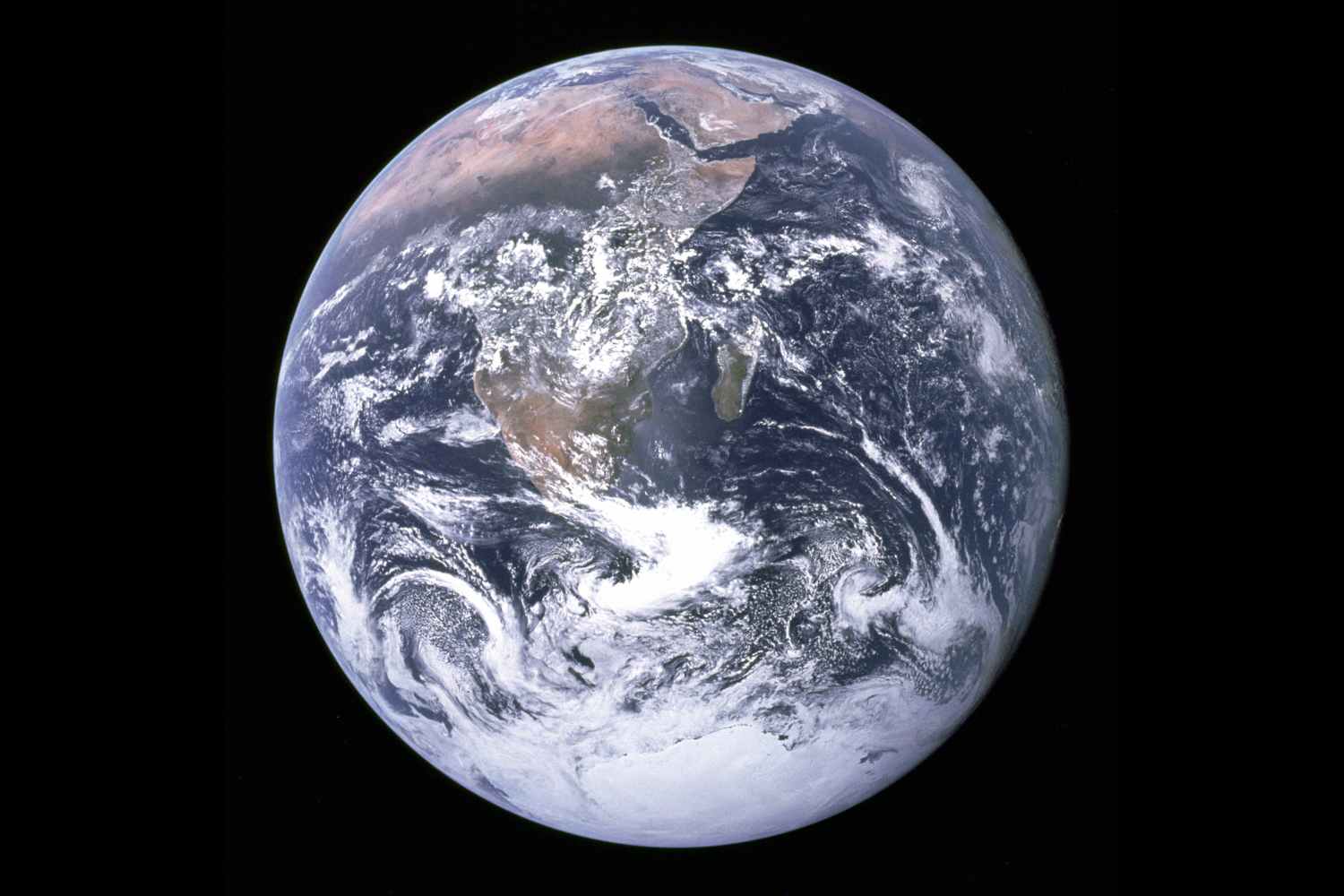
The press and TV began to tell a new story. The environmental disasters, first considered tragic fatality, were finally observed as symptoms of a planet’s disease. The image of the Earth seen from space, the “blue biglato” photographed by Apollo 17 in 1972, became the icon of this new awareness. For the first time, humanity saw its home as a unique, fragile and precious organism. That image, widespread in every newspaper and television screen, revolutionized our perception of the world, animating a sense of collective responsibility.
From this perceptual revolution they sprouted the first day of the earth in 1970 and the great environmental organizations. Environmental journalism was no longer a niche, but a necessity. From reportage on acid rains in the 80s to investigations on Amazon deforestation, the media continued to document the crisis, building the architecture of our ecological consciousness piece by piece.
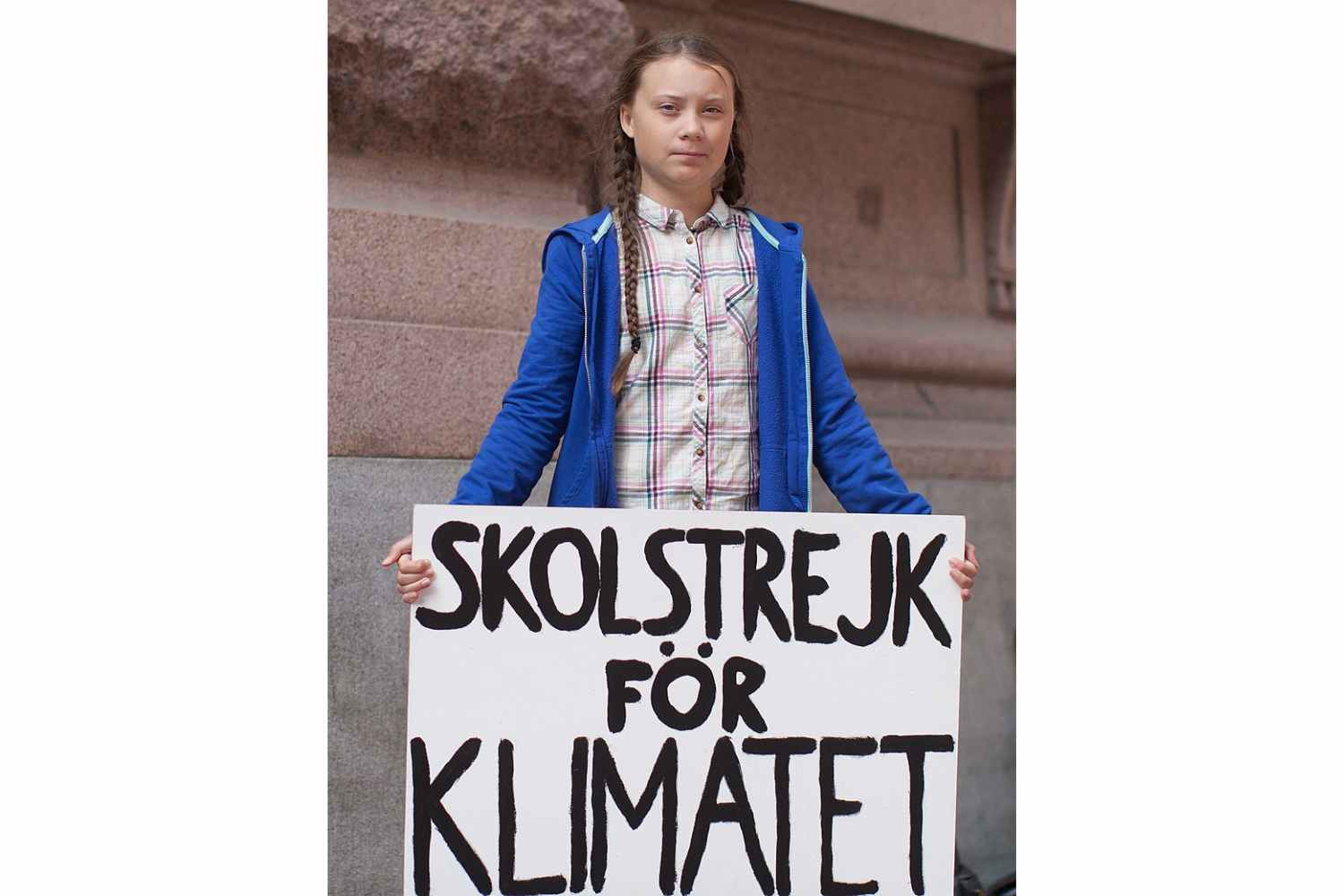
If Carson used the printed paper for his scientific denunciation, decades after Greta Thunberg used a sign and the power of social media. His first “Skolstrejk För Klimatet” (School strike for the climate) in August 2018 was a lonely act, but the photo of that girl in front of the Swedish Parliament, shared on Twitter and Instagram, became viral in a few days. The media did not create the movement of the Fridays for Future, but have intercepted and amplified it, transforming an individual protest into a global phenomenon.
The first global climatic strike of March 15, 2019 was its test: 2.3 million people took to the streets in 131 countries and 2350 cities, of which over 500,000 only in Italy. The climatic crisis assumed a young and recognizable face and changed the flow of information: no longer a vertical message, from the expert to the public, but a horizontal wave, born from below and capable of dictating the agenda of traditional media.
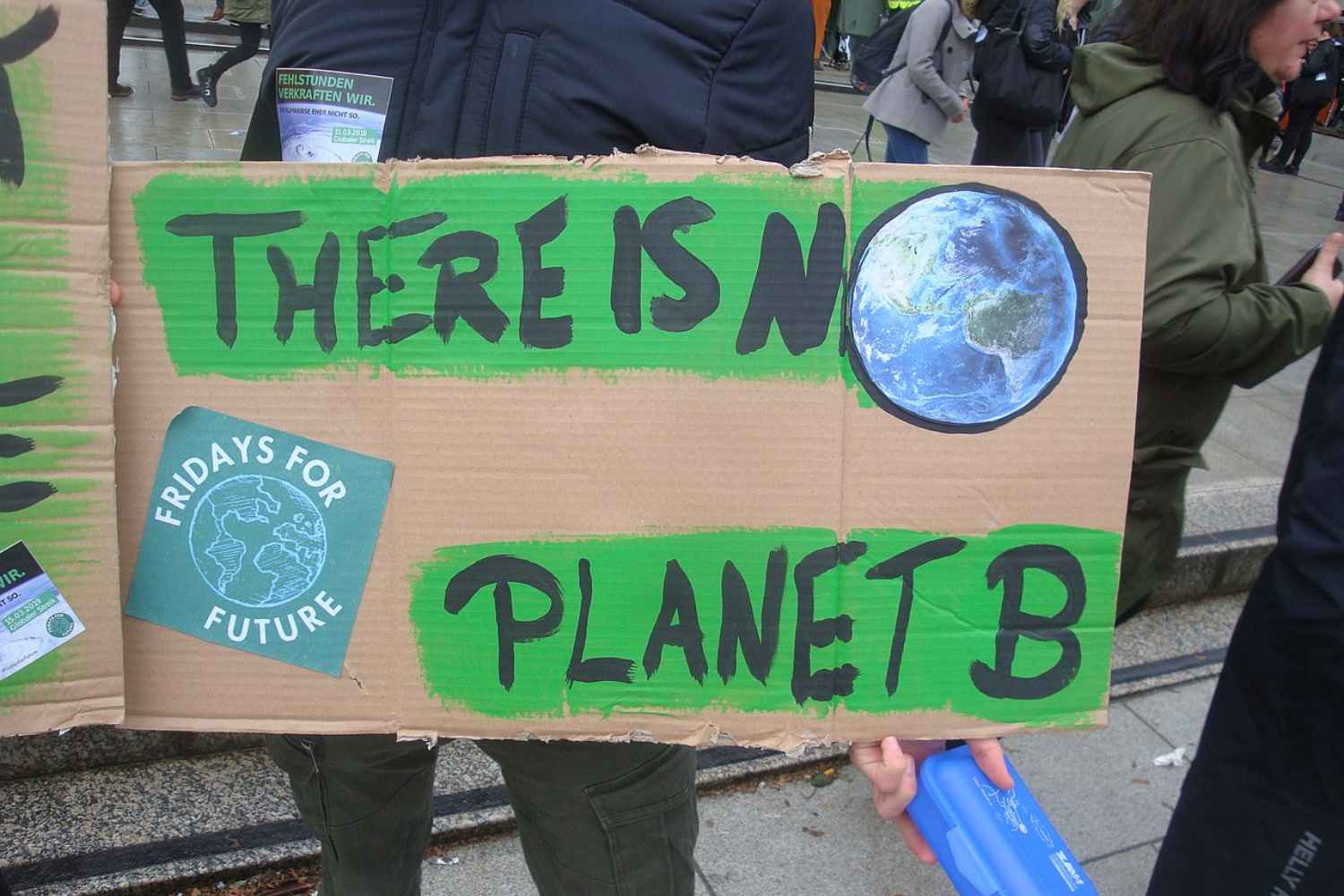
The journalistic narration has probably privileged the scheme of the generational clash and the echo of the slogans, perfect for virality but perhaps less suitable for restoring the complexity of the crisis.
This new paradigm, with its strengths and its limits, has however also transformed the narration of the conferences of the parties (COP), the annual leaders of the UN on climate change. For decades, they were negotiated with a technical and bureaucratic language on specialized pages. The media coverage was often relegated to short displaces on the final results. The arrival of tens of thousands of young activists at the gates of these leaders, from Glasgow to Baku, has changed everything.
The enthusiasts of activists have become “soundbit” capable of translating the frustration of a generation into a universally understandable message. The media thus began to frame the COPs as public pressure arenas: the urgency of civil society against the inertia of the institutions. The ecological sensitivity, born from a book and raised with the images of TV and Reels on social networks, today lives and feeds on this new, powerful – certainly imperfect – media dialectic.
Don’t you want to lose our news?
