
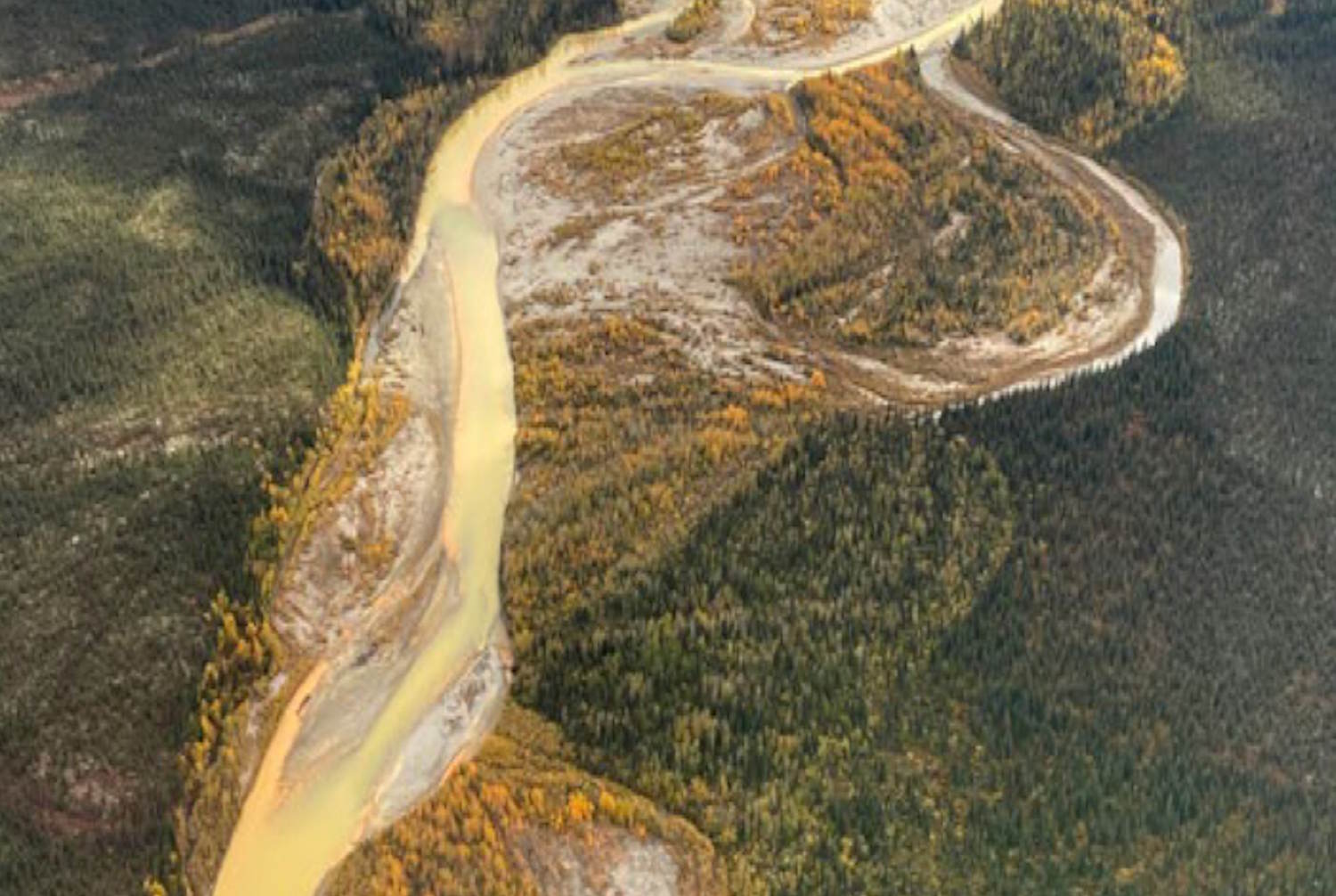
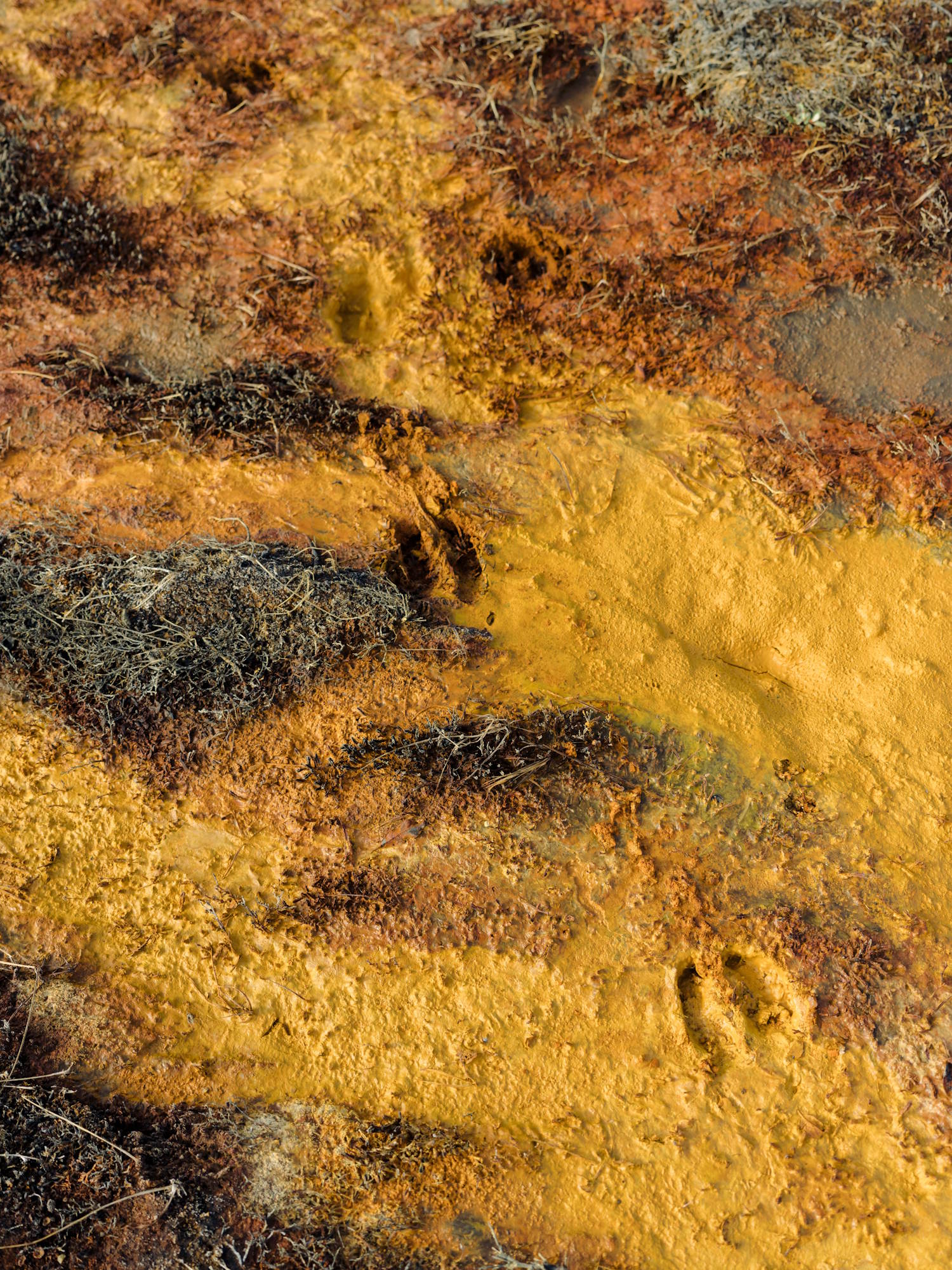
Another unheard alarm: in the mountain range Brooksin Alaskaa clear and healthy rivers are now orange and turbid due to toxic metals. And yes, once again the most important cause is global warming, which defrosses the previously frozen soil, triggering a chain chemical reaction that poisons the fish and devastates ecosystems. Shock results in a study led byUniversity of California (USA).
Global warming and dissolution of the permafrost
As scientists explain, with global warming, a layer of permafrost – the permanently frozen art soil that has trapped minerals for millennia – is starting to defrost.
Unfortunately, the phenomenon is not new, and for a long time it has been reported, not only for the dangers that could derive from the rise in the water level.
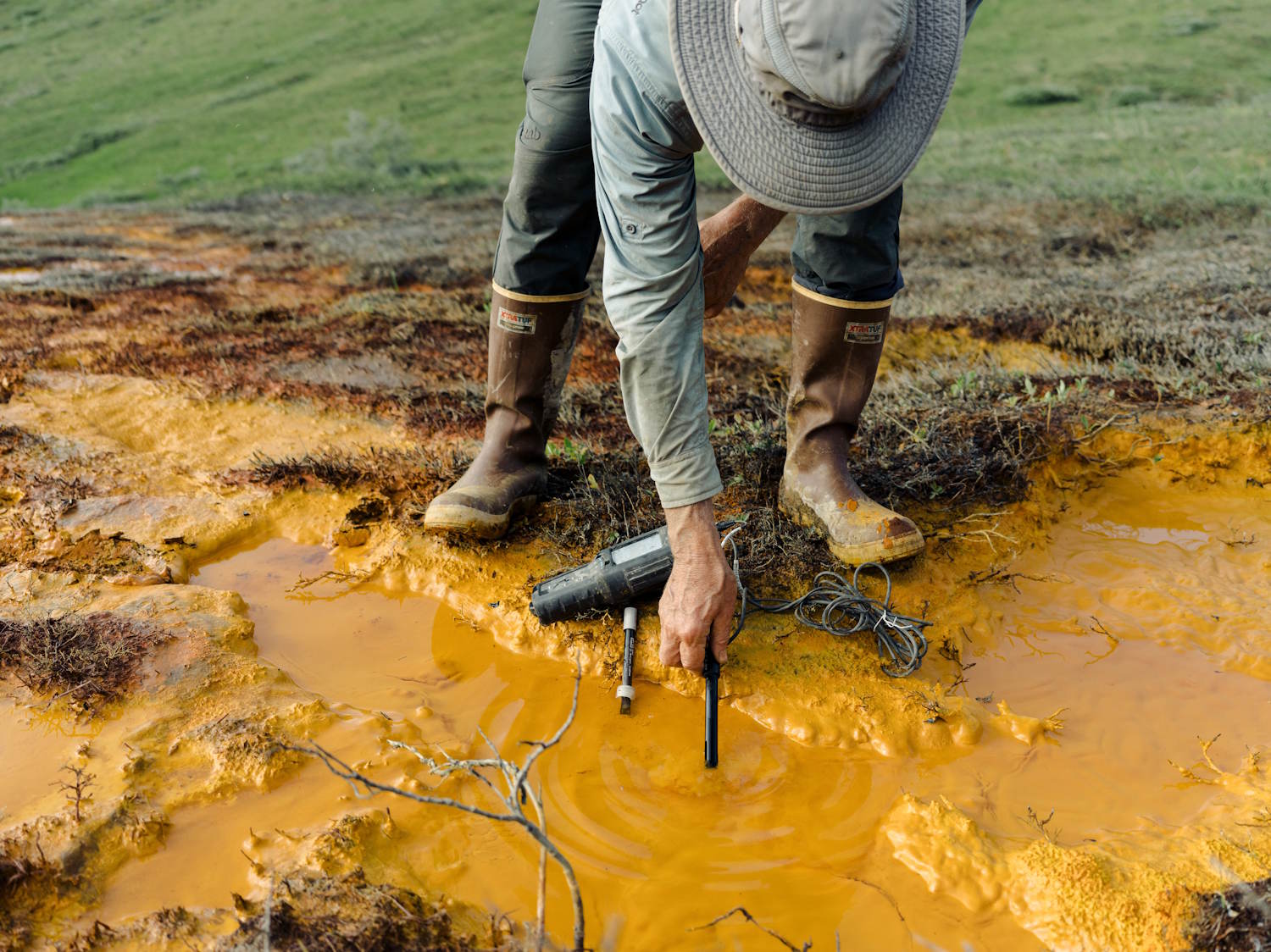
In fact, due to this defrosting, water and oxygen insinuate themselves into the soil just exposed, triggering the disintegration of the rocks rich in sulfur, generating sulfuric acid capable of making the rocks release in the river natural metals such as iron, cadmium and aluminum.
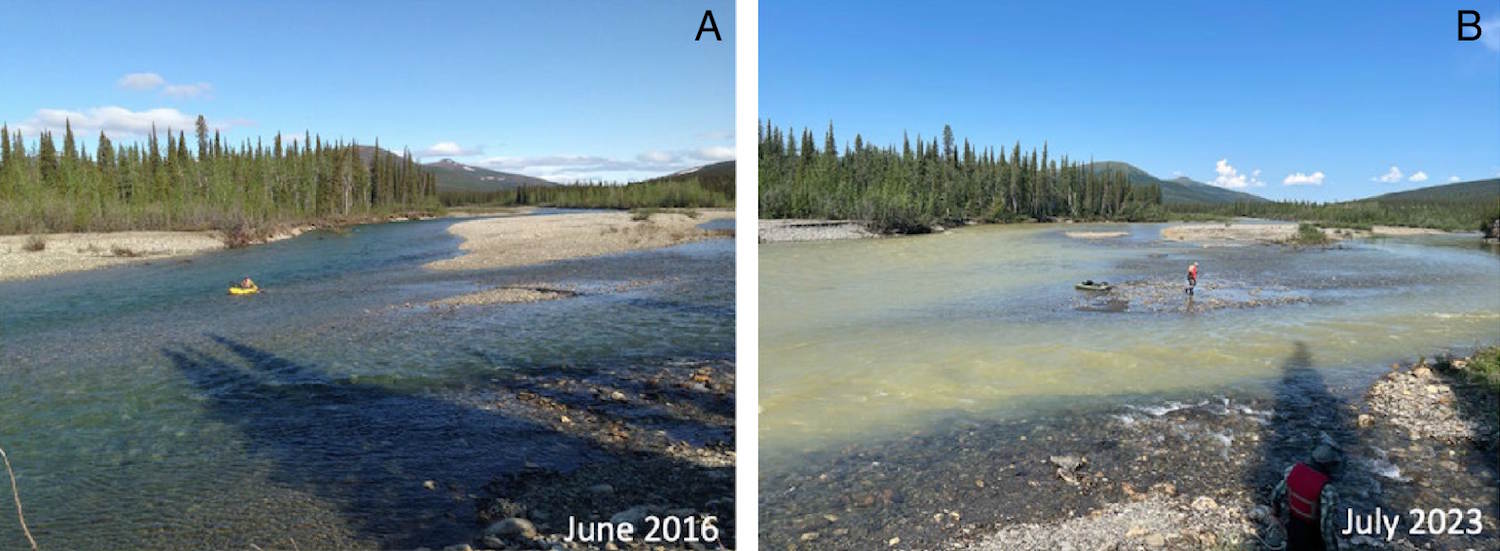
Often, geochemical reactions like these are triggered by mining activities. But this time it is not so, the climate change are responsible for this ongoing disaster (and which can only worsen if we do not reversing the route).
Here’s how the acid drainage of mines appears – explains Tim Lyons, who guided the research – but there is no mine here. The permafrost is melting and landscape chemistry is changing
The new study
The researchers, in the new study, contracted in particular on the river Salmonbut they warn that similar transformations are already underway in dozens of other Arctic hydrographic basins. On the other hand, already last year, in 2024, it United States Geological Surveyin collaboration with several other US research institutes, he had mapped the extension of the orange rivers, with the aim of studying their impact on the surrounding ecosystem and understanding the causes of color change.
Their research had revealed that the orange rivers have higher iron concentrations, less dissolved oxygen and more acidic water than the nearby clear rivers.
Work and trip to the Brooks Range Since 1976 and recent changes in the morphology of the territory and in water chemistry they have been truly surprising
tells David Cooperco -author of the study
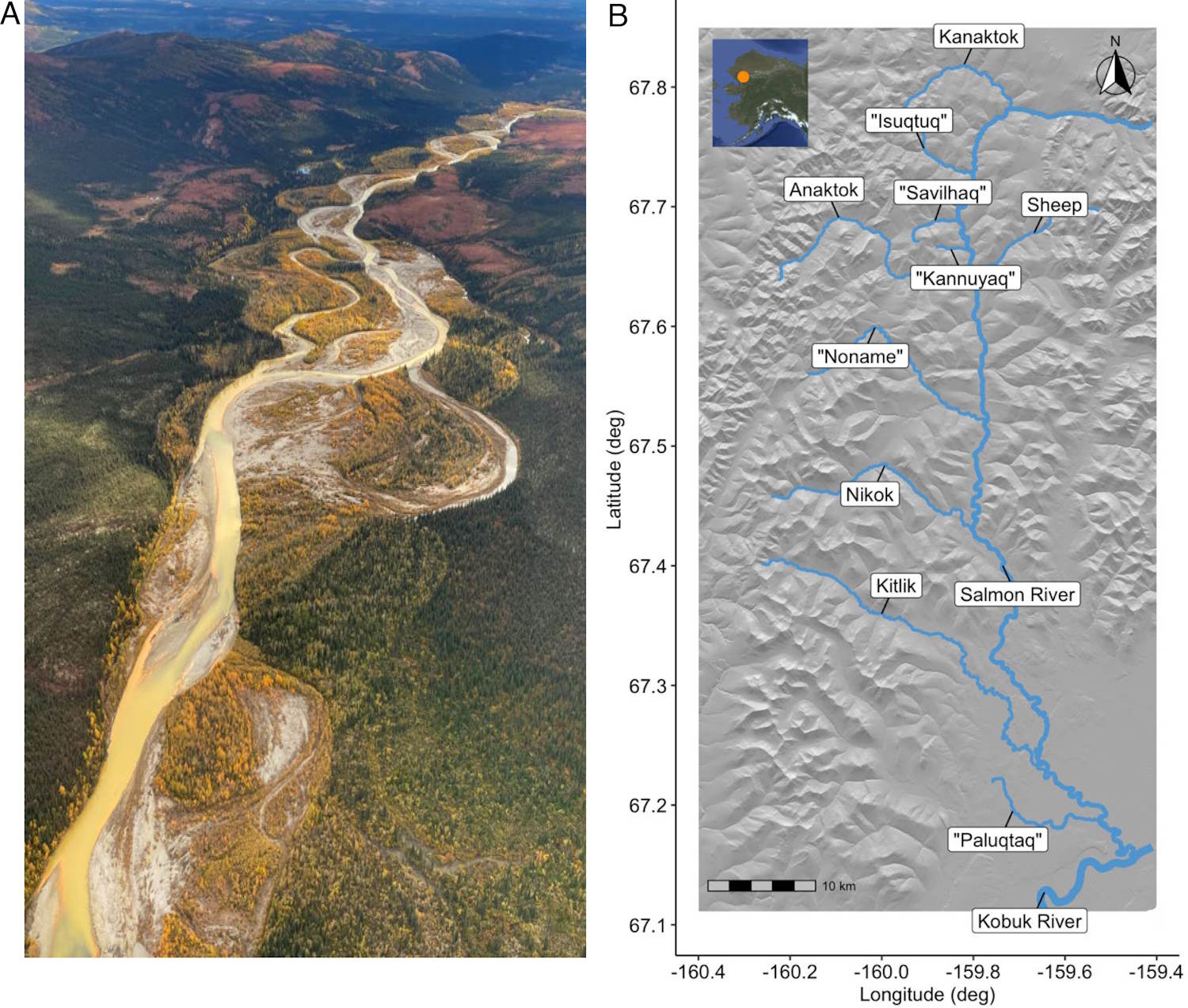
The ecologist had noticed the dramatic changes for the first time in 2019, while led research on the field on arctic forests that moved north, another consequence of climate change.
A pilot who accompanied him on the field then warned him that the Salmon River had not cleaned up after the dissolution of the snow. Alarmed by what he had seen, Sullivan he therefore joined the forces with Lyons, Roman Dial ofAlaska Pacific University and other experts to investigate the causes and ecological consequences.
Their analysis confirmed that the dissolution of the permafrost was triggering geochemical reactions that oxidize rocks rich in sulfur such as pyrite, generating acidity and mobilizing a wide range of metals, including cadmium, which accumulates in the fish organs and could have effects on animals such as bears and birds that feed on fish.
In small quantities, metals are not necessarily toxic, but this research shows that metal levels in the river waters exceed the threshold of toxicity for aquatic life established by the Agency for the environmental protection of the United States. In addition, the murky iron waters reduce the amount of light that reaches the river backdrop and suffocate the larvae of insects devoured by salmon and other fish.
Although the current concentrations of metals in the edible fabrics of the fish are not considered dangerous for man, the changes in the rivers represent indirect but serious threats.
Just to mention a very significant example, Salmon Keta (Oncorhynchus Keta), a fundamental species for the existence of many indigenous communities, could have difficulty reproducing in gravel beds obstructed by fine sediments. And also other species, such as the Thymallus thymallus and the Salvelinus Malmacould be affected. There are therefore potential serious implications for whole ecosystems.
Not just Alaska
It is not just a history of the Salmon river – explains Lyons – this is happening throughout the Arctic. Wherever there are the right type of rock and the permafrost in the dissolution phase, this process can start
Among other things, unlike mining sites, where acid drainage can be mitigated with buffer or containment systems, these remote hydrographic basins could have hundreds of sources of contamination and not have infrastructures of this type. Once the chemical process has started, the only thing that can stop it is the recovery of the permafrost.
There is no way to solve the problem once started. It is another irreversible change caused by global warming
The study therefore underlines the potential danger to other arctic regions. The researchers want to help the communities and managers of the territory to predict future impacts and, when possible, to prepare.
There are few places on Earth remained unspoiled like these rivers – concludes the researcher – but also here, far from the city and highways, the imprint of global warming is unmistakable. No place is spared
The work, financed by the program Rapid Response of the National Science Foundationwas published on Proceedings of the National Academy of Sciences (Pnas).
Don’t you want to lose our news?
Sources: University of California / Pnas
