
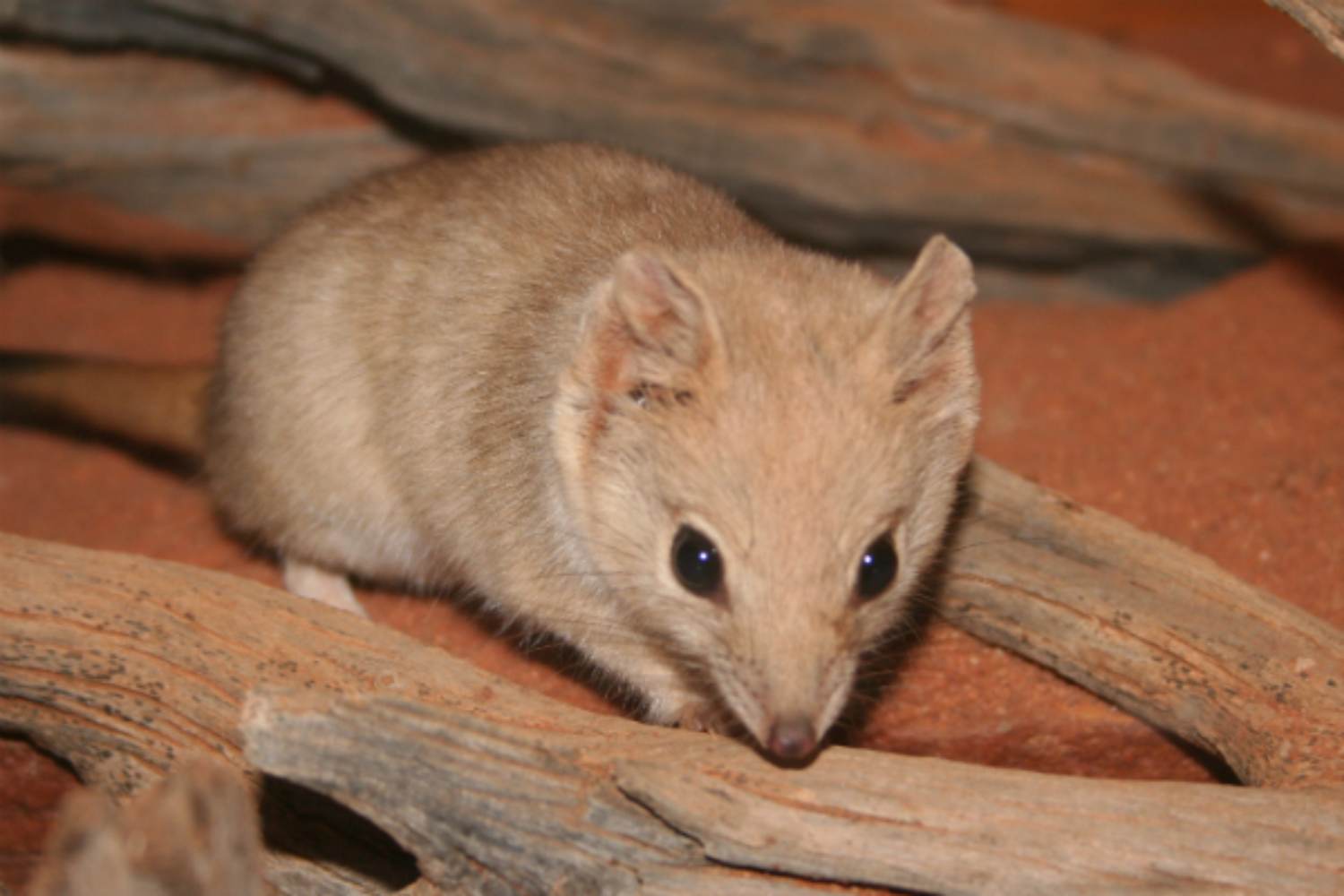
In Australia, the Marsupial Ampurta (DasyCercus Hillieri), a small predator similar to a rat, has reserved surprising surprises for ecologists. Although it had been classified as in an extinction in 1999, this species thrived during periods of drought that hit other animal populations hard.
The studies conducted by the Center for Ecosystem Science of the University of New South Wales reveal how the Ampurta managed to expand its habitat of over 48,000 km², recovering territories where it was thought to be extinct. This phenomenon highlights a fundamental principle of biology: life always finds a way to adapt and survive. The ability of the ampurta to thrive in extreme conditions offers a positive message in a continent where many native species face a high risk of extinction.
An example of natural re -establishment
The resilience of the ampurta was favored by a combination of flexible omnivorous diet and low water needs, characteristics that allowed him to face periods of scarcity. The arrival of the hemorrhagic disease of the rabbit that drastically reduced the population of rabbits has also reduced the pressure of invasive predators such as foxes and wild cats, allowing the marsupial to regain previously lost territories.
Subsequent monitoring confirmed the trend: during the droughts from 2017 to 2019, the ampurta continued to prosper, leading the IUCN to reclassify the species as “species at minimum risk” in 2019. This case represents one of the most clear recent examples of natural re -expansion of native mammals in response to extreme climatic conditions.
Implications for conservation
The success of the ampurta shows how much conservation strategies can benefit from the observation of species during extreme climatic events. Understanding the factors that favor the resilience of animals such as the ampurta can help develop reintroduction or recovery programs in areas where these species are still extinct, as in some areas of the New South Wales.
The extension not only has exceeded the threat of extinction, but also offers a positive model for the protection of the Australian fauna, highlighting how nature itself can intervene in favor of vulnerable species. Its history shows that, even in extreme ecological contexts, survival and prosperity are possible, providing a sign of hope for scientists and conservationists.
Don’t you want to lose our news?
You may also be interested in:
