
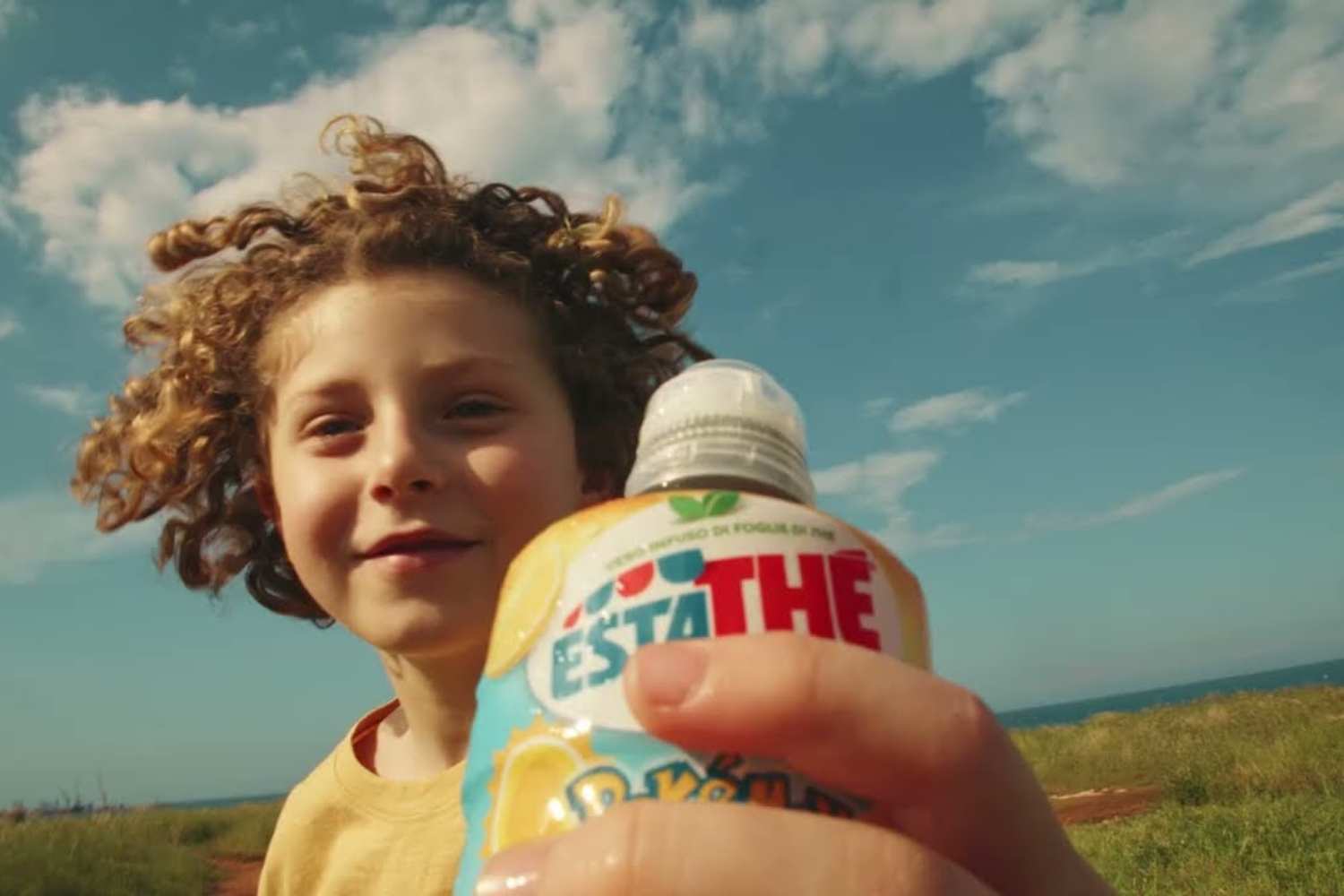
Perhaps you will have seen a spot of the Estate Etatate on social networks, on social networks or online, produced by Ferrero. The protagonists are a group of children of about 7-8 years who run, play, launch themselves and, in the end, sip the drink. Precisely for this spot, apparently harmless, The food fact He decided to intervene, presenting a request for censorship to the institute of advertising self -discipline (IP).
How come? According to the report of the newspaper:
The images transmit a seriously ragous message, in contrast with pediatric recommendations and nutritional guidelines. In the spot, a mother offers the drink to her son in a carefree context, normalizing the consumption of a sugary drink as an appropriate option for the little ones. A message that risks undermining the commitment of families and pediatricians in the fight against childhood obesity.
Really too sugar
The real problem of a drink like the estataté hate is the high sugar content. In 250 ml of drink there are almost 20 grams of sugars, equal to about 79 kcal, a significant contribution if we think of the little ones.
As he remembers The daily factthe WHO nutritional guidelines recommend not to exceed 10% of daily calories from free sugars, with a prudence threshold of 5% for greater health protection. For a 7-8 year old boy, with an average needs of 1,700 kcal, this means a maximum limit of about 42-43 g of sugars per day, with a prudence threshold around 20 g.
Returning to the drink in question, only one 250 ml brick bottle (the one that is seen in the spot) provides almost half of the maximum recommended contribution and can reach almost 100% of the prudential threshold. To make the idea: it is as if a child assumed sugars equivalent to two snacks in one time (a plumcake or a stuffed sandwich contain on average 8-12 g of sugars). Often, then, the drink does not replace the actual snack, but adds to it, further increasing sugars and calories.
Several nutritionists had already shown how much sugar there is really in the ecsté:
The problem is then that the spot is not just a simple commercial promotion. The fact that it is frequently transmitted, like all the other Ferrero campaigns, makes it a powerful cultural vehicle. Showing a sweetened drink as part of moments of play and entertainment is likely to make efforts from families, pediatricians and health authorities vain to encourage healthy eating habits in children.
We will see what the IAP will decide: in our opinion, the conditions for a censorship are all there.
Don’t you want to lose our news?
You may also be interested in:
