
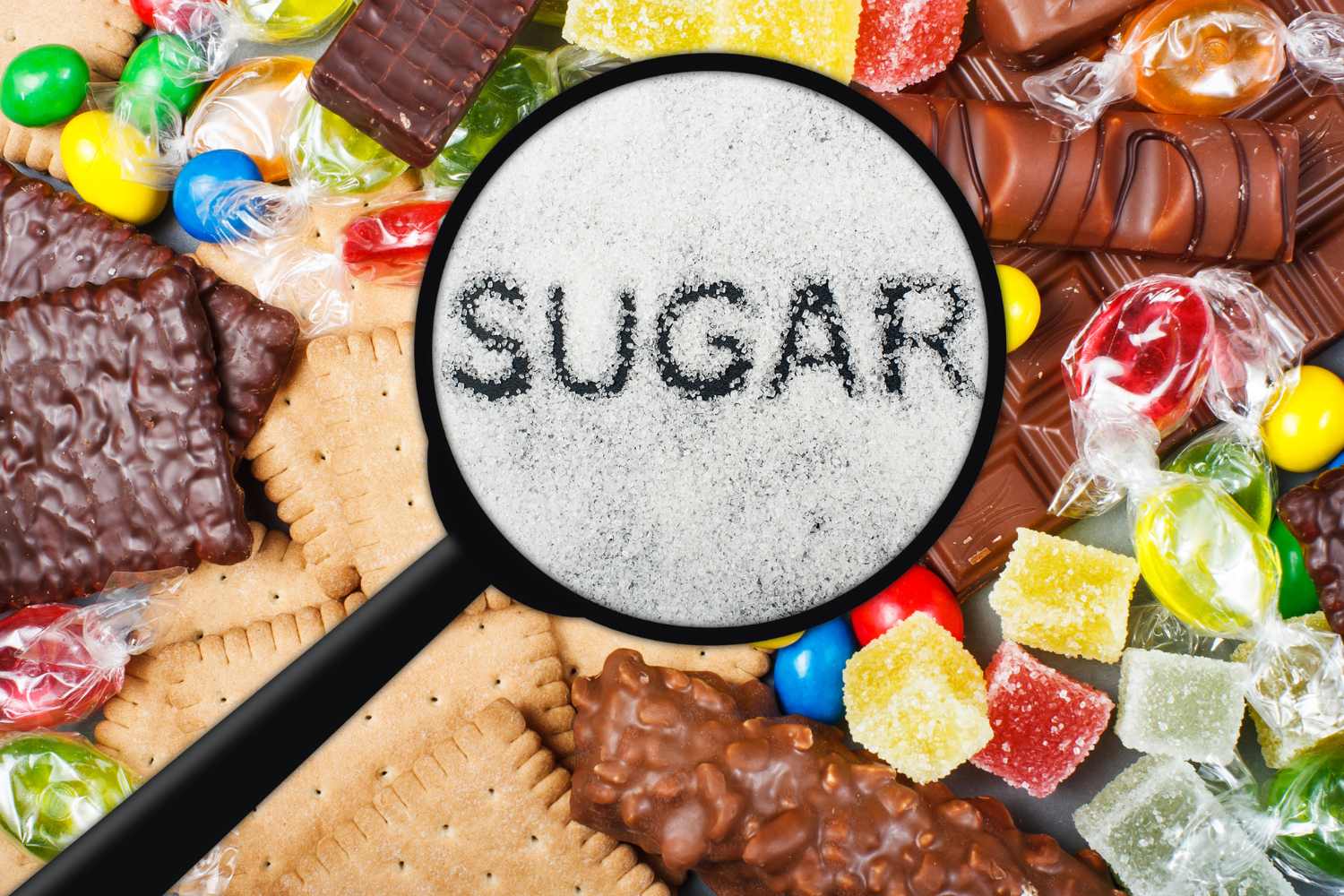
Do you know the classic wording “Without added sugars”, present on many products that we find at the supermarket? Well, it does not correspond to reality, or rather, it tells only a part of the story. We try to better understand through the words of nutritionist Angy Bro.
“People see that wording and automatically think that the product is sugar -free,” explains the doctor. “But reality is very different.” The question lies in those two words: added sugars. Manufacturers exploit this formula to create a positive impression, knowing that many buyers do not grasp the substantial difference between total absence of sugars and lack of additional sugars.
The most emblematic case concerns fruit juices. A normal juice can contain up to 64 grams of sugar per pack – the equivalent of sixteen sachets that you would put in the coffee. Yet, the reassuring writing “without added sugars” appears on the package. How is it possible? Fruit naturally contains fructose, a sugar that remains present even after squeezing and industrial processing.
Deceptive marketing
Such a commercial strategy leverages the growing attention of consumers towards a healthier diet, because companies know that more and more people try to reduce the consumption of sugars, and use ambiguous diceses to make their products more attractive. The problem extends beyond juices: fruit yogurt, cereal bars, tomato sauces and even some types of bread use the same technique.
How to behave
The solution proposed by the nutritionist is simple but requires attention: always reading the nutritional table on the back of the package. The values of total sugars tell the true story of the product, regardless of the promises printed on the front. An orange juice can contain the same amount of sugar as a carbonated drink, even if technically they have not been added during production.
“My advice is to nourish the body, not simply satisfy it,” concludes Dr. Bro. This means choosing with awareness, looking beyond advertising strategies and dedicating a few more seconds to reading the labels. Only in this way can we really check what we bring to the table and make food choices that support our well -being, rather than compromising it unconsciously.
View this post on Instagram
Don’t you want to lose our news?
