
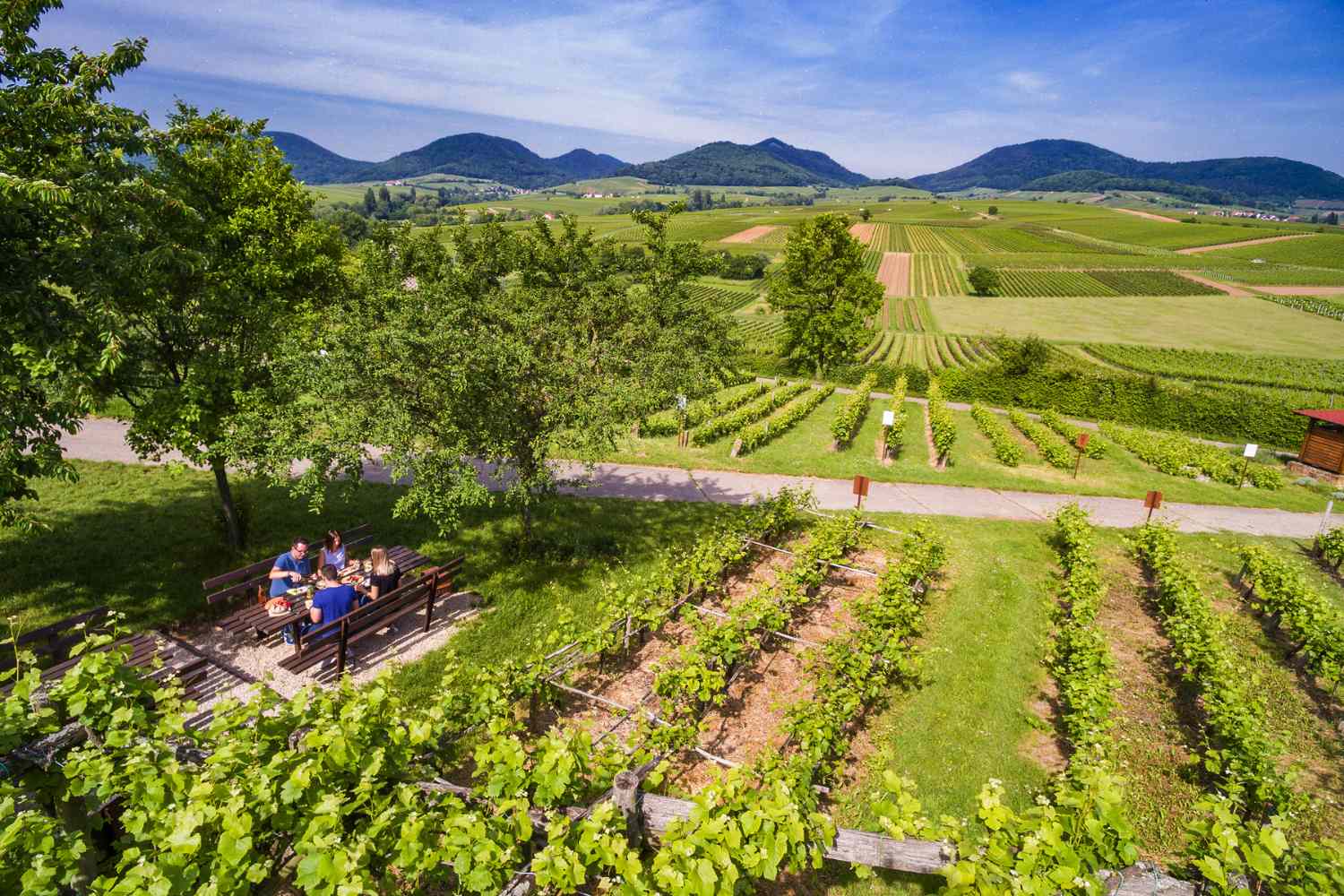
While the collective imagination still runs to Tuscany or Provence, Germany is redesigning the map of the European Enotorismo with a pragmatic and visionary approach. With over 100,000 hectares of life distributed in 13 regions, the country shows that even the most northern wine areas in the world can become a laboratory of innovation, where medieval villages are not only scenography, but the engine of a model that merges secular tradition and concrete sustainability.
The turning point has matured in the last ten years, when climate change has been transformed from threat to opportunities. The German cellars have been able to reinterpret their identity: modern architecture with low environmental impact, self -sufficient energy systems and a widespread integration with the tourist fabric. Not a simple restyling, but the construction of an ecosystem where every actor – producer, hotelier, restaurateur and administration – participates in a collective pact.
Meersburg
On the banks of Lake Costanza, Meersburg is the most evident example of this metamorphosis. The village, dominated by the oldest inhabited fortress in Germany and by the Baroque Neues Schloss, is today an open -air laboratory. The cellars have adopted biodynamic practices and zero -impact systems, exploiting the microclimates generated by the interaction between lake and hills to minimize chemical treatments. Hospitality has also been transformed: hotels and restaurants in the historic center work according to principles of circular economy and energy saving. Mobility is entirely rethought: cycle paths that connect the vineyards and electrical buses that combine the locations of the region.
Würzburg, Green capital of Franconia
The beating heart of the Franconia, Würzburg does not live only with iconic monuments such as the Baroque residence (UNESCO) and the Marienberg fortress. The city has reinvented its relationship with wine making it a symbol of environmental responsibility. The famous Brückenshoppen, the collective aperitif on the Ponte Vecchio, is today the image of a tourism that celebrates wine without waste: rooms fueled exclusively by renewables, winemaking with minimum use of water and zero pesticides. Sweet mobility allows you to reach the vineyards on foot or by bike along naturalistic paths, transforming the experience into a total immersion in biodiversity.
Volkach and the Anse of the least
Volkach, with his medieval towers, has not remained anchored to the vintage postcard. Here the innovation is tangible: wine bars and restaurants operate with zero waste protocols, cellars invest in clean energy and low consumption storage systems. The distinctive element is the electric river transport along the famous Mainschleife, the lesser Andes, which unites the estates without weighing on the environment. The sloping vineyards exploit gravity to irrigate without pumps, demonstrating how the morphology of the territory can become an ally of sustainability.
Bad Dürkheim and sustainable Wurstmarkt
On the German wine road, Bad Dürkheim is the demonstration that mass events can also become compatible with the environment. The Wurstmarkt, the oldest and largest wine festival in the world with over 700,000 visitors, is today a case study: biodegradable or reusable packaging for all cellars, energy supplied by temporary solar systems, free public transport and 95%separate collection. An approach that shows how tradition and responsibility can also coexist in complex contexts.
Mersburg, the Saale laboratory
In the cold Saale-Unstrut region, Merseburg stands out as a research outpost. Here universities and producers work together on vines capable of resisting extreme climatic conditions. The cellars experience techniques that not only reduce the environmental impact, but enrich the soil and strengthen biodiversity. A challenge that starts from the Gothic of the Cathedral and the Renaissance of the Vescovile Palace, but look straight to the future of enology in marginal areas.
Today Germany of sustainable wine is already a accomplished fact, not an ad. In the Calici di Mersburg, Würzburg, Volkach, Bad Dürkheim and Mersburg reads a clear message: wine tourism must not be limited to “visiting and tasteing”, but can become an integrated system that respects the earth, enhances culture and creates economic value. A model that Europe observes more and more closely, aware that the future of wine tourism could speak German.
