
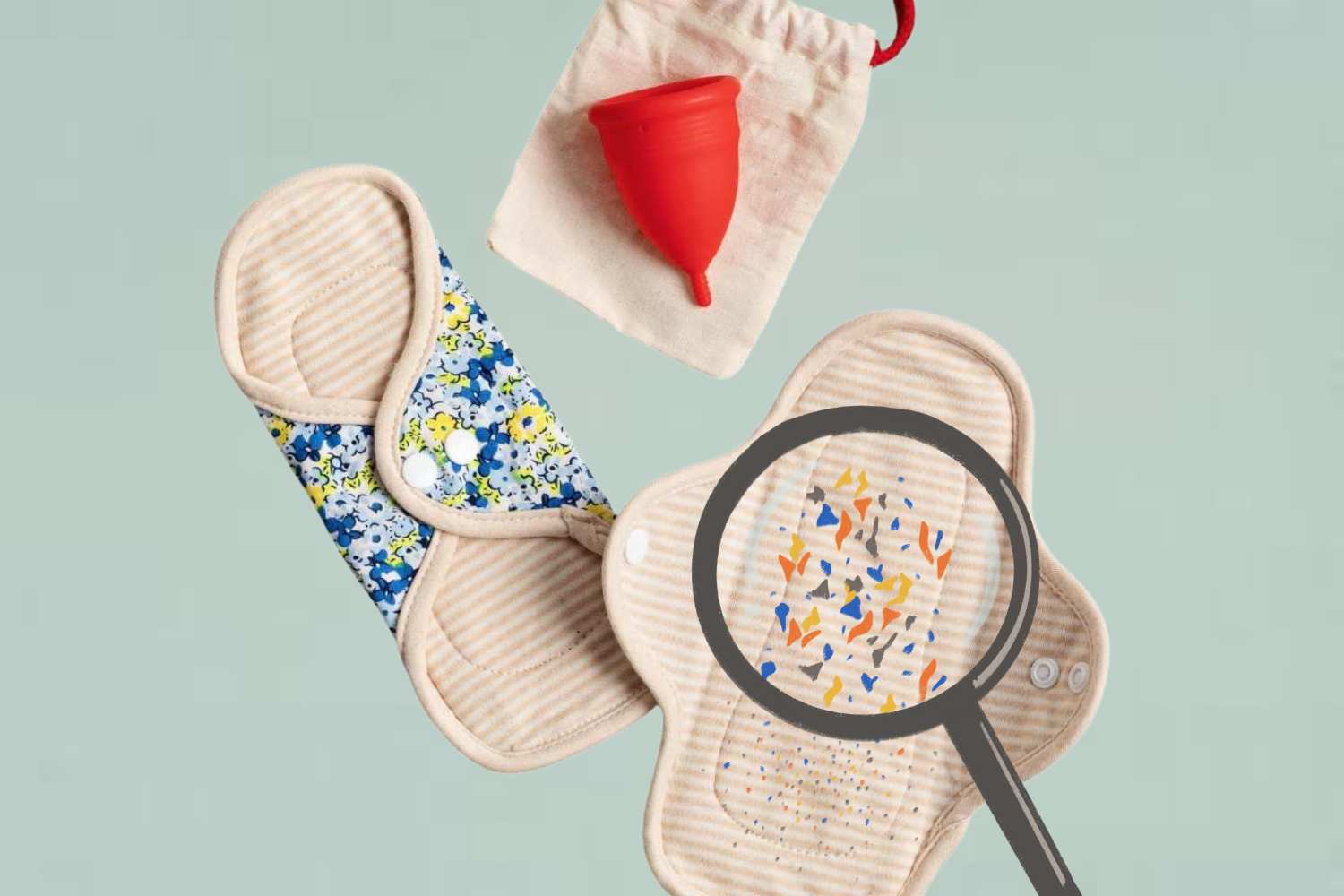
The PFAS are now everywhere: in the water we drink, in the food we eat, in the clothes we wear, even in the air we breathe. These “eternal” chemicals, so called for their ability to persist indefinitely in the environment and in the human body, have invaded every aspect of our daily life. And, unfortunately, they have not spared even the most delicate and intimate products that we use every day, such as washable absorbents and menstrual cups.
According to a new study, published on Environmental Science & Technology Lettersthe numbers are clear: 71.2% of reusable menstrual products tested globally contain pfas. An alarming percentage that concerns washable absorbent, menstrual briefs, cups and other articles that should be safer and more ecological than the disposable alternatives but which, unfortunately, are not always.
This theme has been talked about in reality for a few years. It all started in 2019, when the physicist Graham Peaslee of the University of Notre Dame analyzed some menstrual underwear samples on behalf of the Sierra magazine. The results were unequivocal: they contained Pfas. That discovery sparked a millionaire cause against the Thinx brand and opened a pandora vase that still continues to fill.
In 2023, the New York Times sent 44 other products to Peaslee between reusable absorbents and panties for the cycle and incontinence. Also in that case, the PFAS were present, sometimes in quantities that suggest intentional use in the tissues.
To all this is now added a new study that has analyzed over 70 reusable products from markets around the world: North America, South America, Europe and Asia-Pacific. 323 unique samples were tested, divided by layers and components, using the gamma -induced particle -induced rays emission.
The products analyzed included:
The results were significant, it was seen that menstrual underwear showed the highest levels of intentional fluoruration (33% of cases), followed by washable absorbents (25%). This indicates that some manufacturers are deliberately adding Pfas to the fabrics, probably to make them more waterproof, resistant to spots or durable over time.
Because this discovery is particularly serious
The discovery is particularly alarming because menstrual products come into direct contact with some of the most delicate and absorbent areas of the body, often for many consecutive hours. As Peaslee points out:
There is still much that we do not know about the potential of these chemicals to be absorbed through the skin.
The skin exposure to the PFAS is a still little studied way, but we know that these compounds can migrate from the surfaces treated. And considering that the CDC has found PFAS in the blood of over 99% of Americans, each source of additional exposure counts.
The health effects related to PFAS are now documented: hormonal imbalances, immunosuppression, delays in child development, increased blood pressure in pregnancy and high risks of kidney and testicles cancer.
These products are marketed as ecological and healthy alternatives to US absorbent. They promise to reduce waste, save money and respect the environment. But if they contain Pfas, the situation changes drastically. And they not only represent a problem once used but also when they must be disposed of. In fact, once their use cycle is finished, these products end up in landfills where the PFAS infiltrate the aquifers, contaminating soils and water systems.
We are looking for products without PFAS
Alyssa Wicks, main author of the study, however offers an important fact:
Only a subset of products had high levels of PFAS, which means that the PFAS must not be essential in the production of these items. This is good news as it shows that they are not necessary.
In other words, reusable menstrual products are already on the market completely without PFAS. They work well, they are effective and show that it is technically possible to create safe alternatives without resorting to these dangerous chemicals.
The real knot of the question remains the lack of information. There is currently no labeling obligation to indicate the presence of PFAS in textile products. Only a few American states have started to process laws to limit its intentional use, but the road is still long.
This leaves consumers completely in the dark. How can you distinguish a “clean” product from a chemically treated treated? A naked eye is impossible. And even reading the labels does not help, because the information is not simply there.
As Peastlee suggests, the question we should start asking to producers is simple and direct: “This product contains intentionally added pfas?”. And demand a clear response.
We must therefore absolutely not give up reusable menstrual products. However, they remain a more sustainable choice than the USA, which often also contain pfas, as well as generating tons of waste.
The solution is to become more aware and more demanding consumers. Look for brands that explicitly declare the absence of PFAS, which undergo tests of independent laboratories, which guarantee transparency on the materials used. Ask for information, read reliable reviews, and above all make your voice heard.
Because “eco-friendly” marketing can no longer be an excuse to hide toxic substances. And as long as the regulations do not protect us adequately, we will have to demand the change.
