
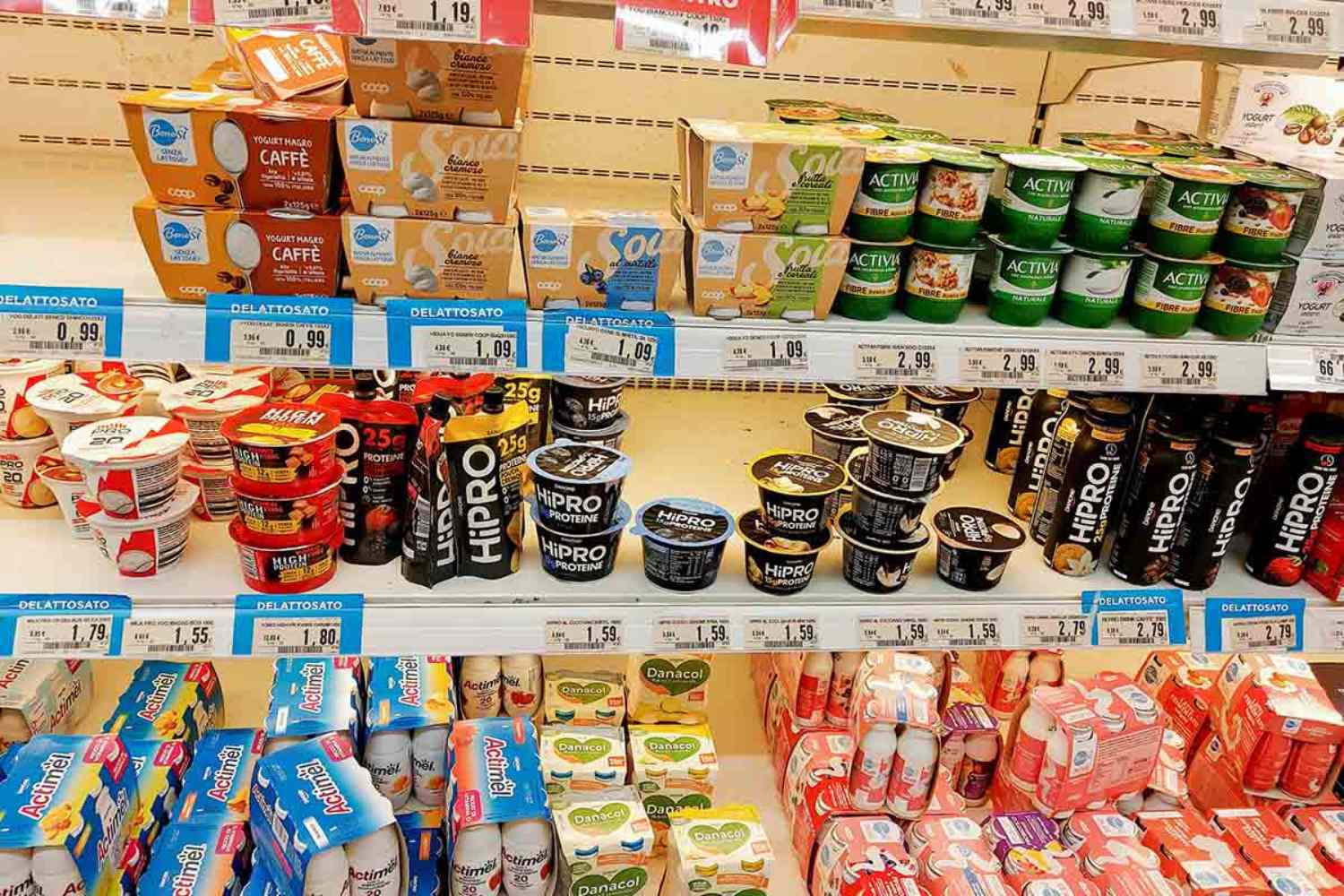
In recent years, supermarket shelves have populated “High Protein” products: pancakes, bars, yogurt, milk and even pasta with claim that promise a higher protein intake. But are these foods really serve to integrate proteins or are they rather a successful marketing operation? A new analysis of Altroconsumo It helps us to clarify.
The invasion of protein products
According to the Observatory I feel of GLS Italy, in 2024 the products with protein claim exceeded 3,800 references, representing 4.3% of food products in supermarkets. A fashion that does not tend to pass, even if the price is not precisely for all budgets, and often grows proportionally, up to double compared to classic products.
Among the most popular high protein foods are protein pancakes. A classic white Pancake Mulino contains about 5.2 g of protein per 100 g, while the Milk Pro High Protein version reaches 13 g, thanks to the addition of milk serum proteins. However, the price of protein pancakes is almost double compared to the classic ones, and the claim on the label often indicates the proteins present in the entire package and not those in the single piece.
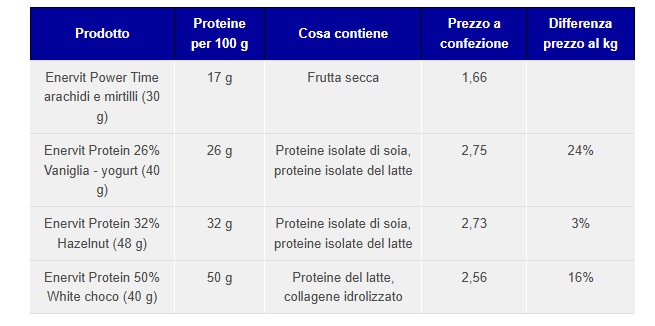
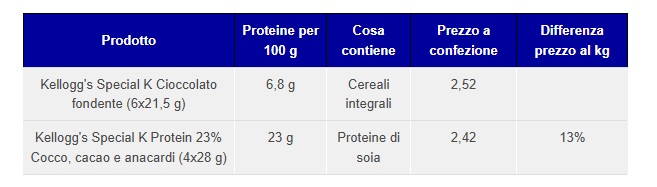
Then there are the protein bars, widespread for breakfast or snack, which follow the same scheme. Enervit protein bars can reach up to 50% protein thanks to the use of isolated milk and soy proteins, while generic bars such as the Enervit Power Time peanuts and blueberries stop at 17%. Kelllogg’s also offers the Special K Line K Protein, with 23 g of protein per 100 g against 6.8 g of the classic version. Here too the price grows, up to 24% more for the more protein versions.
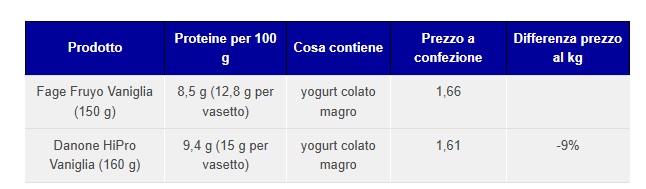
In the yogurt department, the naturally more protein one remains white Greek yogurt, with about 9 g of protein per 100 g, without special additions. Products such as Danone’s Yogurt Hipro boast claim “High Protein”, but in reality they only contain more protein than a classic Greek yogurt, and often cost less than some reference brands, thanks to differences in commercial positioning.
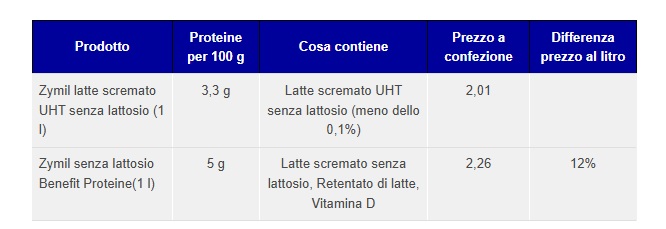
Even protein milk shows interesting protein increases only on paper: for example, Zymil lactose benefit has 56% more proteins than traditional milk, but a 125 ml portion contains just 6.25 g. The protein increase is paid with an increase in the price of about 12% per liter.
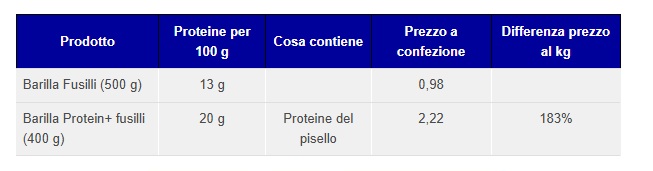
Protein pasta, like the Barilla Protein+Fusilli, reaches 20 g of proteins per 100 g against 13 g of classic pasta, but the price per kilo is almost triple.
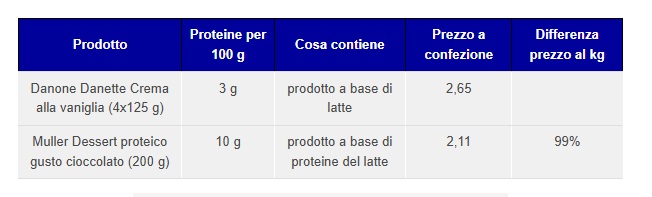
Finally, protein puddings, such as the chocolate muller dessert, have more proteins (10 g per 100 g) than the classic Danone Dante (3 g per 100 g), but the price per kilo doubles.
In many cases, the protein advantage exists, but must always be evaluated with respect to the cost and real necessity.
Do we really need it?
Second Altroconsumo And the guidelines of the Italian Society of Human Nutrition (Sinu), in Italy there are no protein deficiencies. A balanced diet, even vegetarian, widely covers the daily requirement: for a 60 kg woman the needs are 54 g per day, while the average intake is about 66 g; For a 70 kg man, the requirement is 63 g, while the average intake is 84 g.
Protein integration can only make sense for athletes with specific needs or for those who follow a vegetarian/vegan diet and want to simplify their protein intake. For all the others, protein products represent an additional expense without real benefits.
Put simply, Altroconsumo confirms what we already suspected: A varied and balanced diet is sufficient to satisfy daily protein needs. Before spending more, it is always better to read the labels carefully and ask yourself: do I really need it?
