
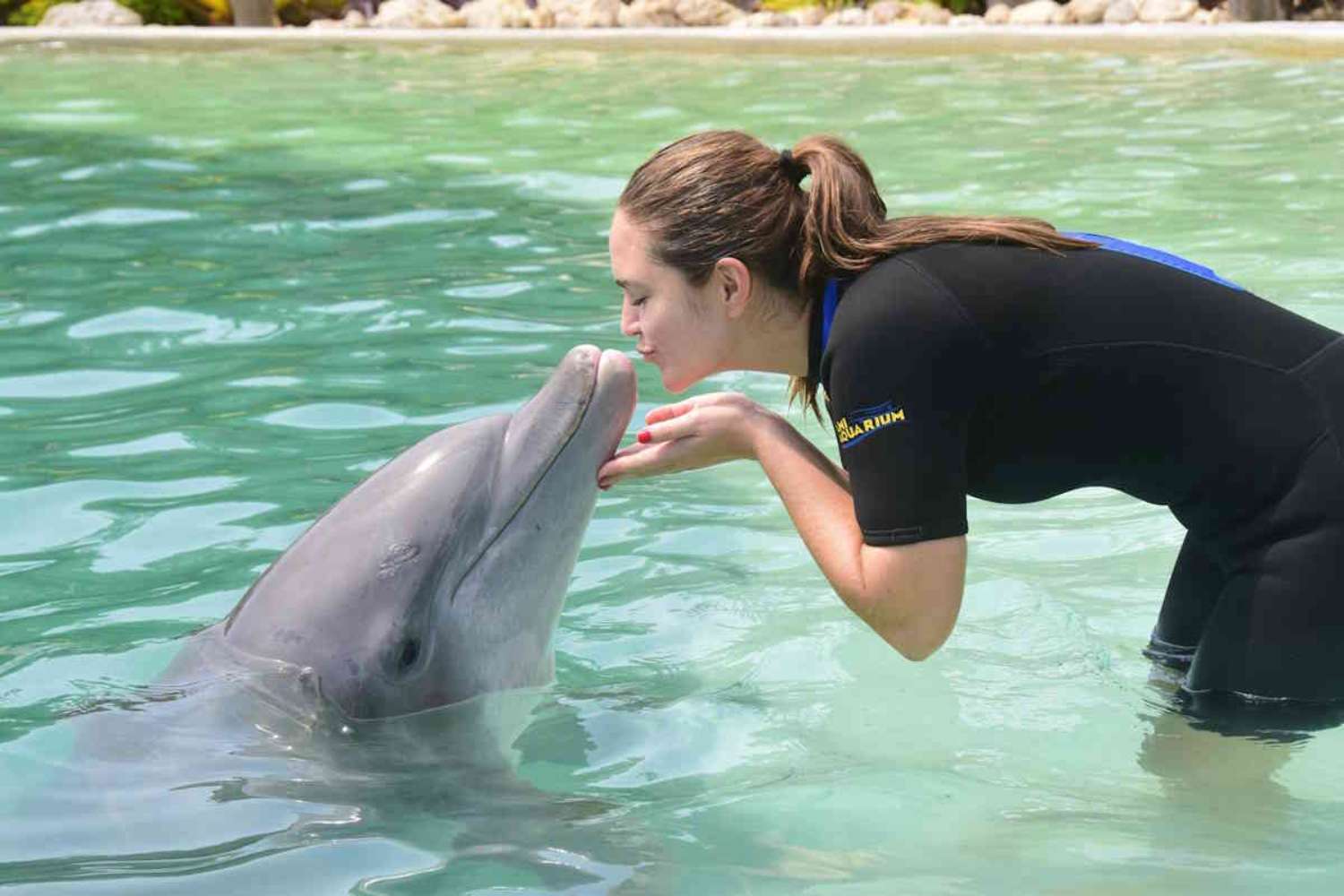
After seven decades of entertainment and controversy, the Miami Seaquarium is closing for good. The historic Virginia Key park, opened in 1955 and linked to the television legend of Pinballhas been one of the symbols of tourism in Florida for years.
View this post on Instagram
But economic decline, federal inspections and accusations of animal cruelty have turned the spotlight off what was once considered the “home” of dolphins and the orca Lolita, who died in 2023 after more than 50 years in captivity. A house, unfortunately, in which animals were exploited without ever being able to see their natural habitat again.
View this post on Instagram
On Sunday, long lines of families gathered to say goodbye to penguins, sea lions and dolphins, while conservationists celebrated the closure, calling it “the end of a season of abuseIn fact, it is the closing of a controversial chapter in the history of American entertainment, in which entertainment and animal suffering have long been intertwined.
View this post on Instagram
The mistreatment of dolphins and the transfer of animals
In recent years, the Seaquarium had come under the radar of federal authorities for malnutrition of dolphins, driven to encourage exhibitions. The park, now bankrupt, has not managed to recover, also due to animal rights campaigns and the growing ethical concerns linked to the detention of marine mammals.
Now the remaining animals will be transferred to specialized centers under the supervision of a team of veterinarians. The procedure will take a few months, but marks an important step towards the protection of species that have been used as attractions for years. The farewell to these exhibitions definitively closes an era and finally opens the way to a new vision of the relationship between man and marine fauna.
The future of the area: sustainable marina and aquarium
In place of the Seaquarium, a new urban complex will be built by Terra Group, which has presented a 22.5 million dollar redevelopment plan. The project includes a modern marina, a scenic waterfront, restaurants and shops inspired by fishing villages, as well as an aquarium free of marine mammals, in line with current ecological sensitivities.
The plan, already supported by mayor Daniella Levine Cava and commissioner Raquel Regalado, aims to combine historical memory and environmental sustainability, maintaining the name “Seaquarium” as a tribute to its cultural heritage. The goal is to transform Virginia Key into an aware, open and environmentally friendly tourism hub that remembers the past but looks to a fairer future.
View this post on Instagram
