
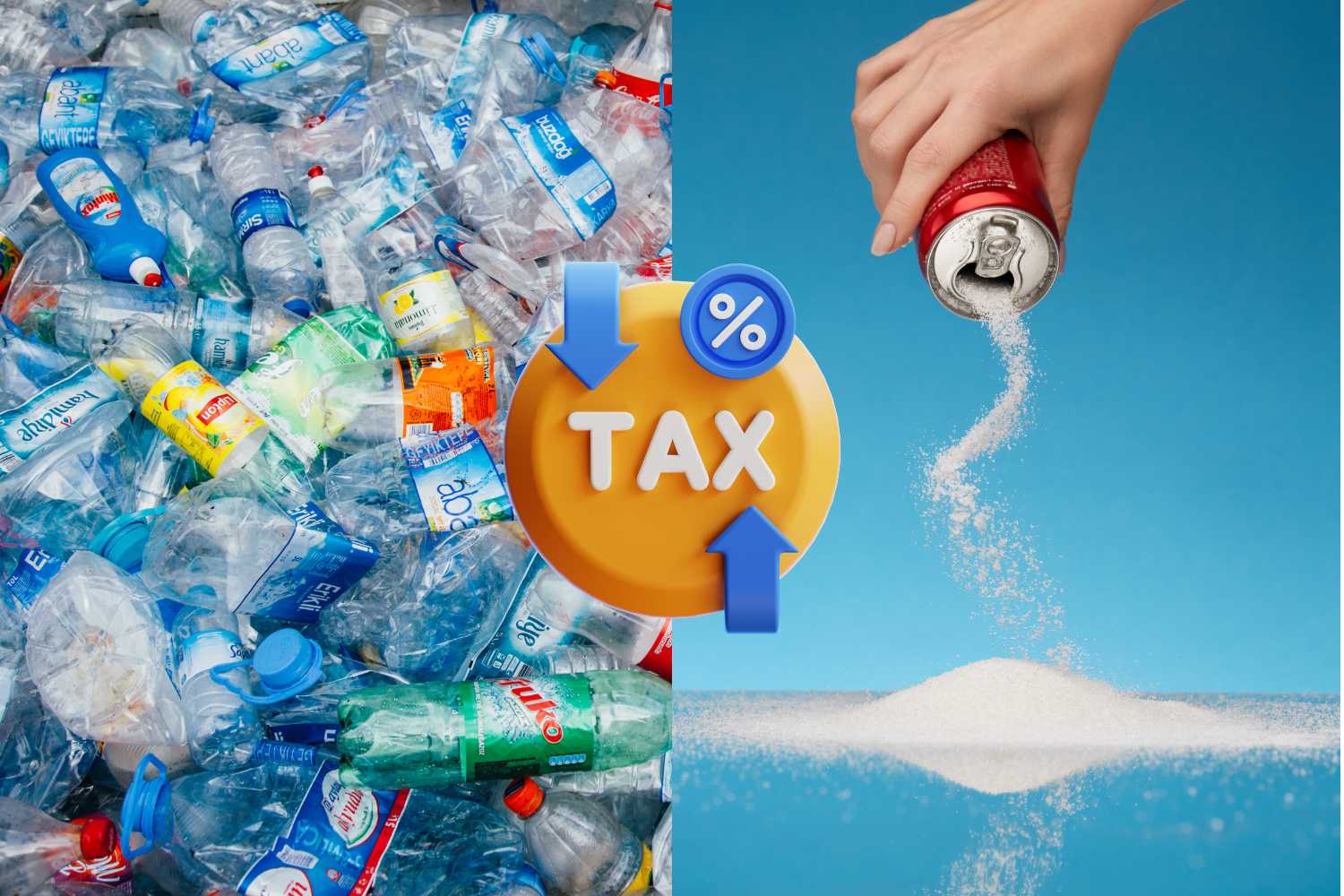
Incredible but true, there is still a postponement. The Plastic Tax, awaited for almost six years now, will not come into force before January 1, 2027. And the same fate also befalls the Sugar Tax. These are taxes created with the aim of reducing the use of two ingredients that are harmful for various reasons: single-use plastic and sugar.
Even for 2026, however, these taxes will remain just good intentions, Italy continues to postpone the showdown with the environment and public health, while industrial lobbies benefit from this further extension.
The never-ending story of the Plastic Tax
The Plastic Tax was introduced by the 2020 Budget Law and should have hit MACSI (single-use, non-recycled plastic products) with a tax of 0.45 euros per kilo. The objective was obviously to reduce the consumption of virgin plastic and encourage alternative or recycled materials.
Instead, year after year, government after government, the tax has been postponed. In practice, it formally exists, but in practice it remains suspended. The latest postponement postpones it to 2027, confirming a trend that has transformed the Plastic Tax into a sort of “phantom tax”: evoked in budget documents, but never actually applied.
The reasons for this latest extension? Two main topics:
The reactions
As expected, the manufacturing world welcomed the postponement with enthusiasm. Federalimentare thanked the government for the decision taken which will facilitate businesses and consumers. Unionplast spoke of a “common sense decision”, underlining how the sector is worth 26 billion euros and employs 45 thousand people.
Federalimentare welcomes the Government’s decision to postpone the entry into force of the Plastic Tax and the Sugar Tax until 2027.
“The new postponement of Plastic Tax and Sugar Tax is excellent news for Italian businesses and in particular for the agri-food sector –…
— Federalimentare (@FedAlimentare) October 15, 2025
In short, for industrialists, the postponement represents an opportunity to open a “serious” discussion with the institutions, which in reality translates into the hope that the tax will never actually be applied. A united front, which defends its economic interests, while waste reduction and environmental impact remain in the background.
In the short term, the postponement will be useful: businesses are under less pressure and consumers do not suffer immediate price increases. But in the long term? The extension weakens the credibility of Italian environmental policies and slows down the transition towards the circular economy, penalizing those who really invest in recycling.
In Europe, meanwhile, Italy risks presenting itself as the usual country that signs green commitments but then postpones it indefinitely.
The Sugar Tax
The Sugar Tax, the tax on sugary drinks introduced in the same 2020 Budget Law that established the Plastic Tax, is also still postponed. In theory it should have come into force on 1 January 2022, with the declared aim of reducing the consumption of drinks with a high sugar content and, consequently, of combating obesity, diabetes and other metabolic diseases. But, just like for plastic, successive governments have always found ways to postpone the application of the law. First to 2023, then to 2024, then again to 2026 and finally – with the latest decision – directly to 1 January 2027.
Also in this case it was the industrial world that celebrated. Federalimentare has branded the Sugar Tax as an unfair and essentially useless measure, underlining that its application would hardly bring concrete benefits for the health of consumers. Along the same lines, Assobibe, which represents the producers of soft drinks, expressed satisfaction with the postponement of the two taxes, defining it as a recognition of the needs of a strategic sector for the economy and for Made in Italy. According to the association, the postponement offers precious time to discuss the possible definitive cancellation of measures considered ineffective on both a health and economic level.
All that remains is to wait until 2027 to find out if it will finally be the right time or if, as usual, yet another excuse will be found to postpone it even further.
Sources: Government / Assobibe
