
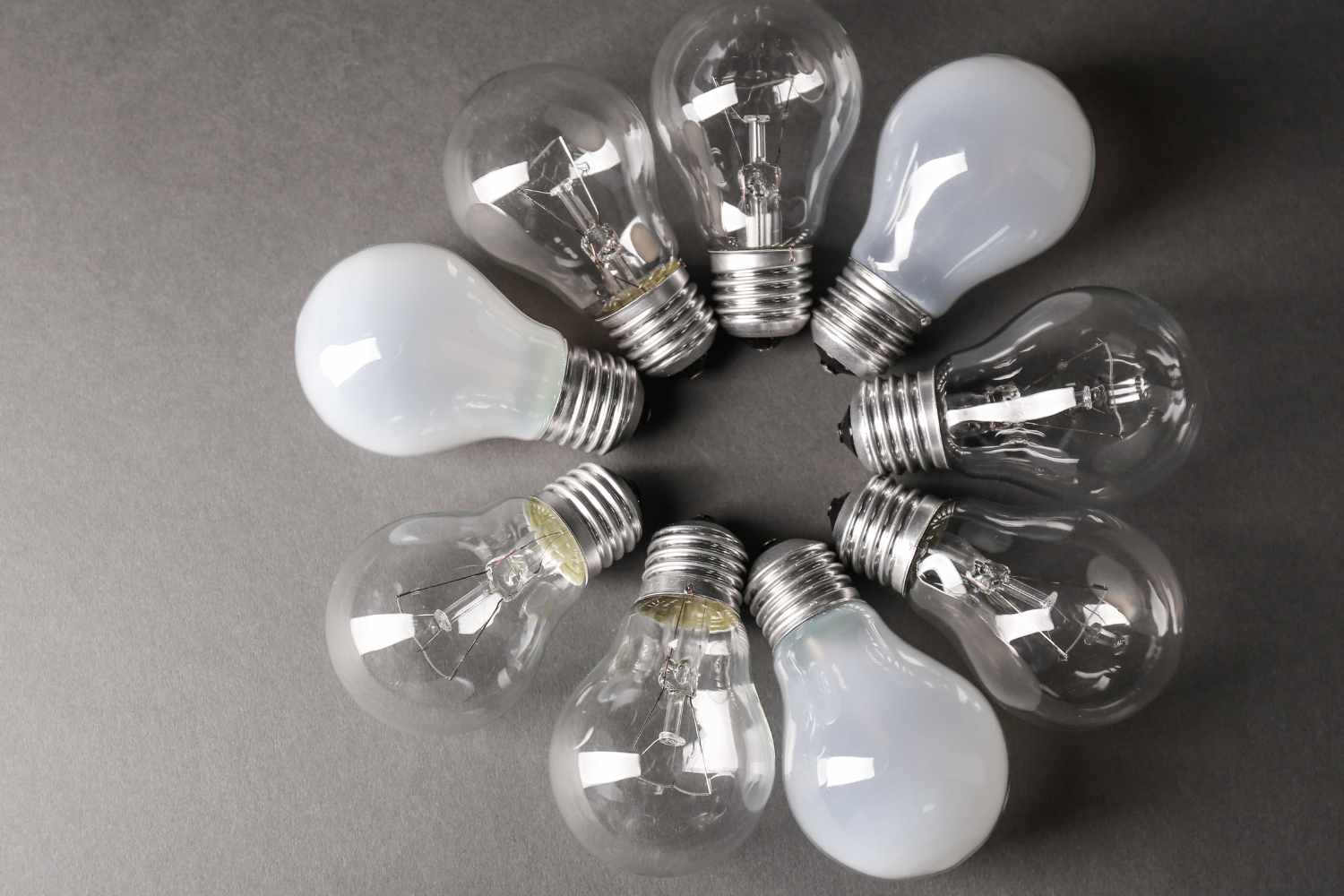
LED bulbs have revolutionized home lighting. The manufacturers guarantee a life of 25,000 hours, approximately twenty-five years of normal use, although in reality, you often find yourself having to replace them after a few months. Why? The problem lies not only in the technology, but also and above all in the installation. There are three fundamental errors that ruin LEDs prematurely: incompatible switches, insufficient ventilation and poor electrical systems. Let’s see what to do to prevent this from happening.
The first culprit: the dimmer switch
The most frequent error concerns the switches. Old dimmers, those that regulate light intensity, work by cutting part of the electric wave. This technique is fine for incandescent bulbs, but destroys the electronics of LEDs. The bulb’s internal circuitry receives irregular electrical pulses that cause flickering, buzzing and premature failure.
The solution is simple: replace the old dimmer with a specific model for LEDs. It costs a few euros more, but preserves the investment in the bulbs. If you don’t need to adjust the intensity, a normal switch will solve any problem. Anyone who has already installed LEDs on traditional dimmers can check the damage: does the bulb flash when it is at minimum? Does it produce an annoying buzz? These are signs that the internal electronic system is deteriorating.
The invisible enemy heat
LEDs produce less heat than old bulbs, but they still generate heat. The light chip reaches high temperatures and requires dissipation. Quality bulbs incorporate cooling fins in the metal base, heatsinks that only work with good air circulation.

Many people make the mistake of installing powerful LEDs inside closed ceiling lights, recessed spotlights without ventilation or lamps with lampshades that are too narrow. Heat builds up, the chip exceeds its safe temperature, and lifespan drops from 25,000 to 5,000 hours or less. Manufacturers indicate the maximum operating temperature on the packaging, usually 40-45 degrees. In a closed ceiling light, 60 degrees can easily be exceeded.
A good method is to provide at least five centimeters of free space around the base of the bulb. For recessed spotlights there are specific versions with larger heat sinks. Table lamps require shades that are open at the top and bottom. If the LED bulbs become hot to the touch after half an hour of operation, ventilation will need to be improved.
The electrical system makes the difference
The third problem, often underestimated, concerns the quality of the electrical system. The LEDs contain an electronic power supply sensitive to voltage variations. Power surges, frequent in old buildings or with faulty systems, damage this component.
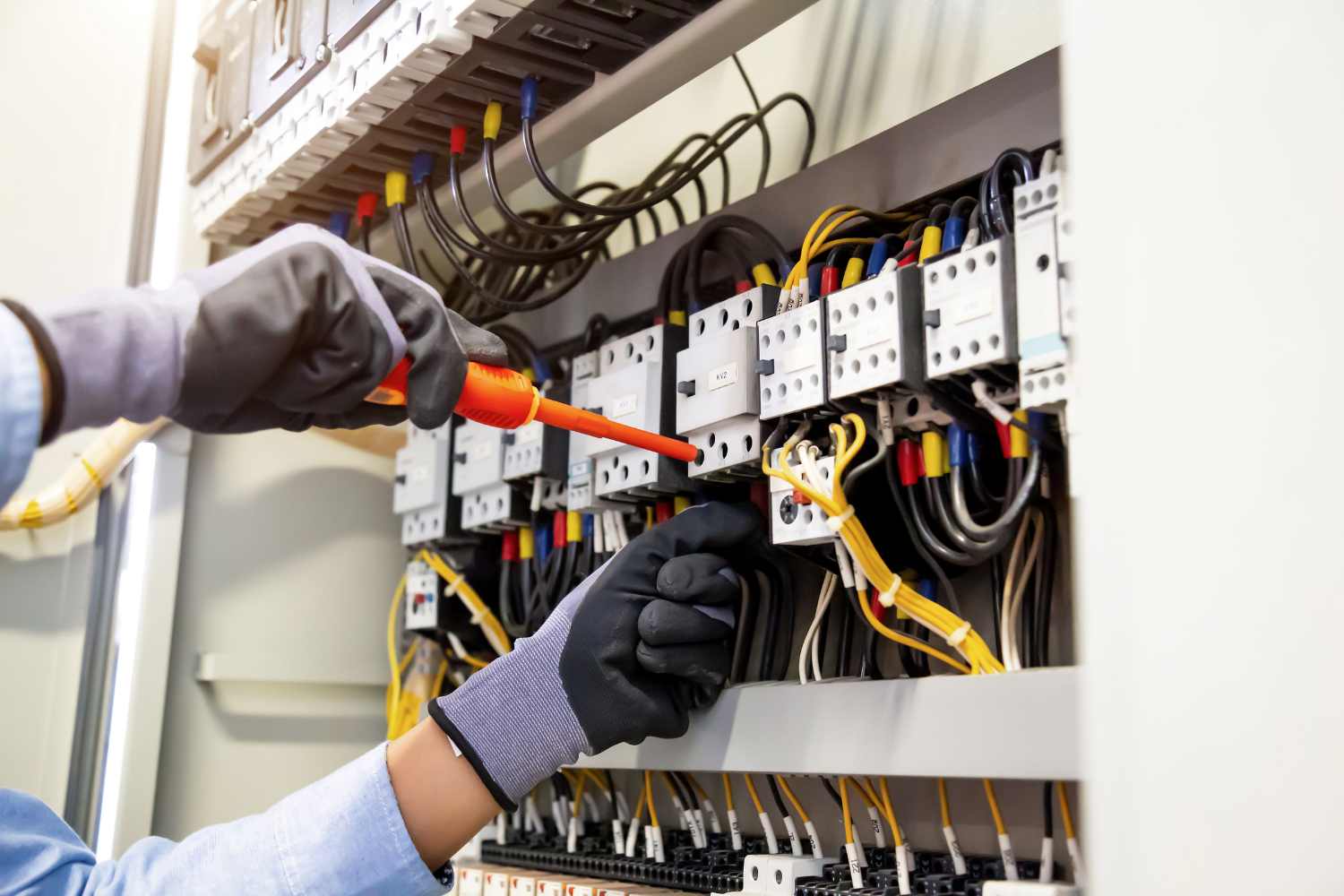
Loose sockets pose a particular danger. Intermittent contact generates micro-arcs that produce destructive voltage spikes. Even cheap power strips, the ones for a few euros from the supermarket, create similar problems. Poor quality contacts oxidize, increase resistance and cause harmful fluctuations.
A typical case occurs in decades-old E27 lamp holders. The internal spring loses elasticity, the contact becomes precarious and the bulb receives discontinuous power. The LED turns on and off thousands of times per second, a stress that reduces life to a few months. Replacing the lamp holder costs little and definitively solves the problem.
How to protect your investment
Brand-name LEDs cost ten times more than traditional bulbs, and protecting them means saving money in the long run. Before installing an expensive LED bulb, it is worth checking three things.
A pro trick is to first install an inexpensive LED bulb to test the light fixture. If after three months it still works perfectly, then you can proceed with more expensive models. However, if it shows problems, the system will need to be fixed first, then the light bulbs can be changed.
