
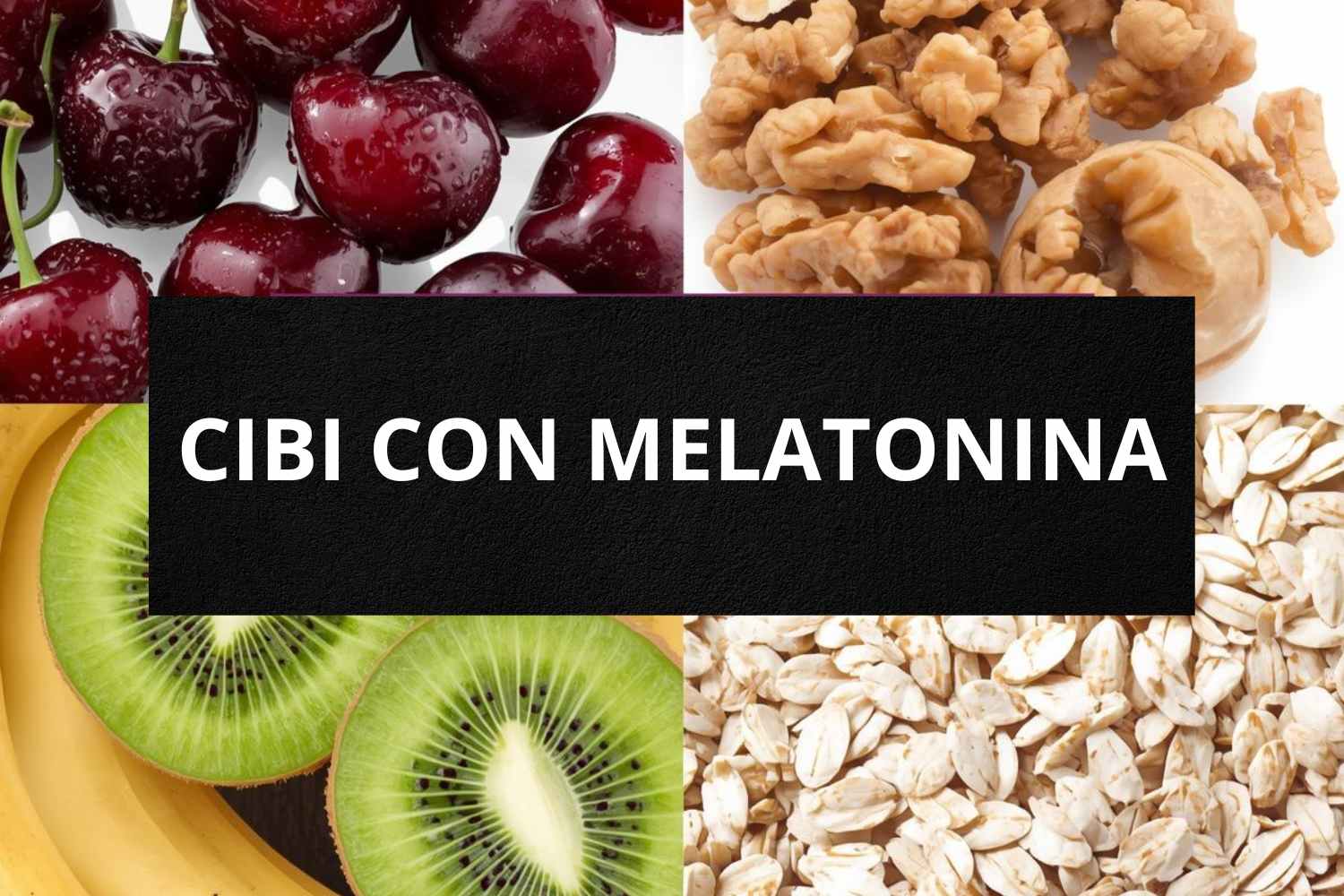
Have you spent another sleepless night, staring at the ceiling while the rest of the world sleeps? You are not alone: keeping you company are millions of people, who every night face the problem of poor quality sleep, late if not completely absent, and who for this reason work hard to find some solution, including diet, drugs and supplements. Here, wanting to start from a good diet, we should choose the right foods, with melatonin inside.
Melatonin is the hormone that regulates our biological clock, signaling to the body when it is time to rest, and whose production naturally increases as the light goes down: it reaches its peak at night and decreases in the morning. With age, but not only, the production of this hormone is reduced, so it is good to keep in mind the foods that contain significant quantities of melatonin. We have selected five of them.
Black cherries
Black cherries are one of the richest natural sources of melatonin. Scientific studies have shown that consuming concentrated cherry juice significantly increases melatonin levels in the blood and improves sleep duration and efficiency. In fact, they contain concentrations of melatonin ranging from 2.1 to 13.5 nanograms per gram.
In research conducted on adults with insomnia, consuming tart cherry juice for two weeks increased total sleep time by 84 minutes and improved rest efficiency. The effect is not only due to melatonin, because black cherries also contain procyanidins which reduce inflammation and increase the availability of tryptophan, the precursor of serotonin and melatonin.
At dinner you can consume a handful of fresh black cherries, or drink a small glass of concentrated juice about an hour before going to bed.
Kiwi
Kiwi is another excellent source of natural melatonin, with around 24 micrograms per gram. And that’s not all, given that the fruit also contains serotonin, antioxidants and vitamins that contribute to the well-being of sleep.
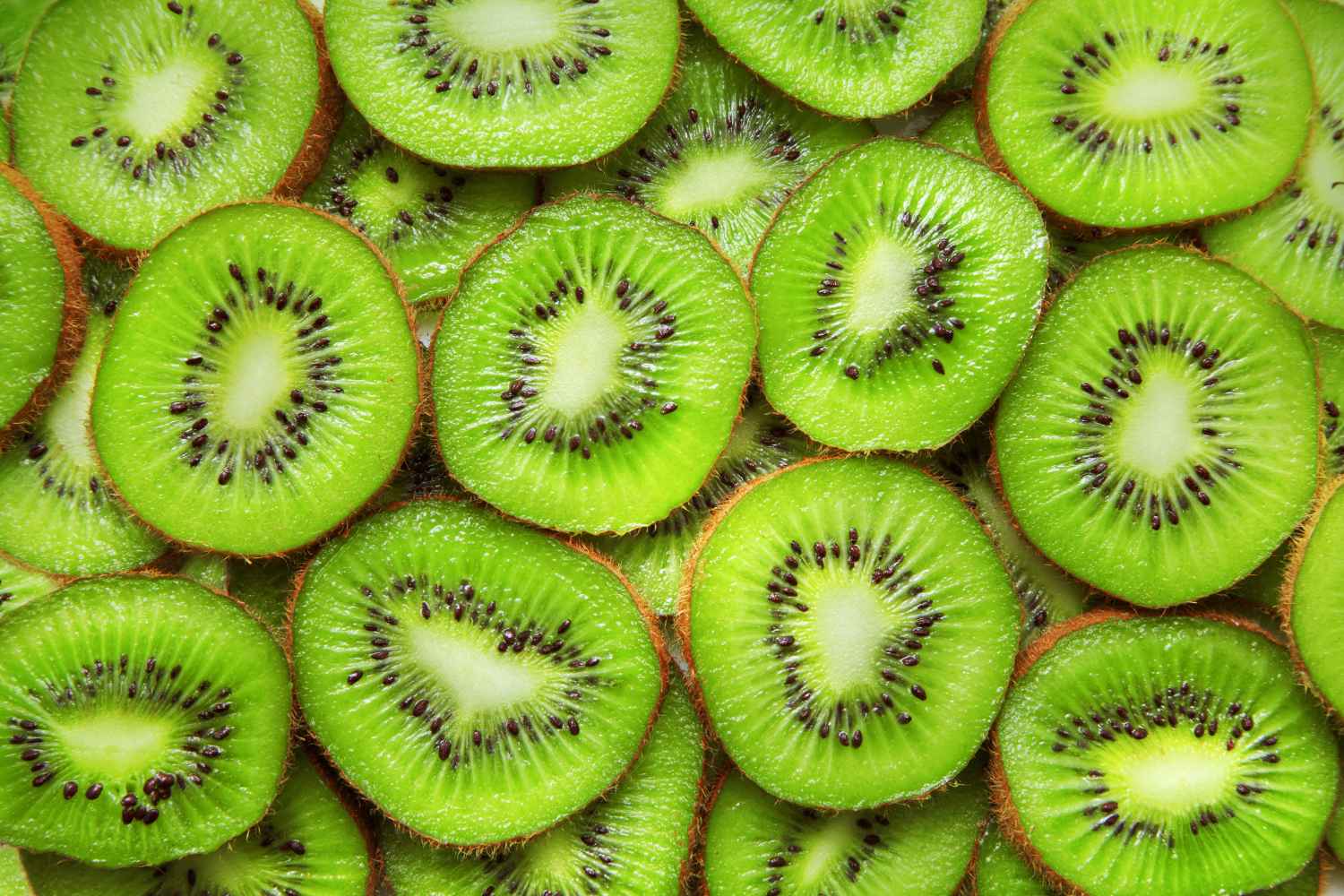
A study conducted on 24 people with sleep disorders showed results worthy of attention: participants who consumed two kiwis one hour before bed for four weeks saw the time it took to fall asleep reduced by 35%, night awakenings decreased by 29% and total sleep duration increased by 13%, with overall sleep efficiency improved by more than 5%. Subsequent research has also confirmed these benefits in professional athletes, who need optimal recovery.
Two medium-sized kiwis will do just fine. Enjoy them fresh, as a dessert after dinner, and avoid elaborate desserts which disturb your sleep.
Nuts
Walnuts deserve a special place in your pantry if you’re looking for better rest. They contain melatonin in concentrations of approximately 3.5 nanograms per gram and, when consumed, increase levels of this hormone in the blood along with the body’s total antioxidant capacity.
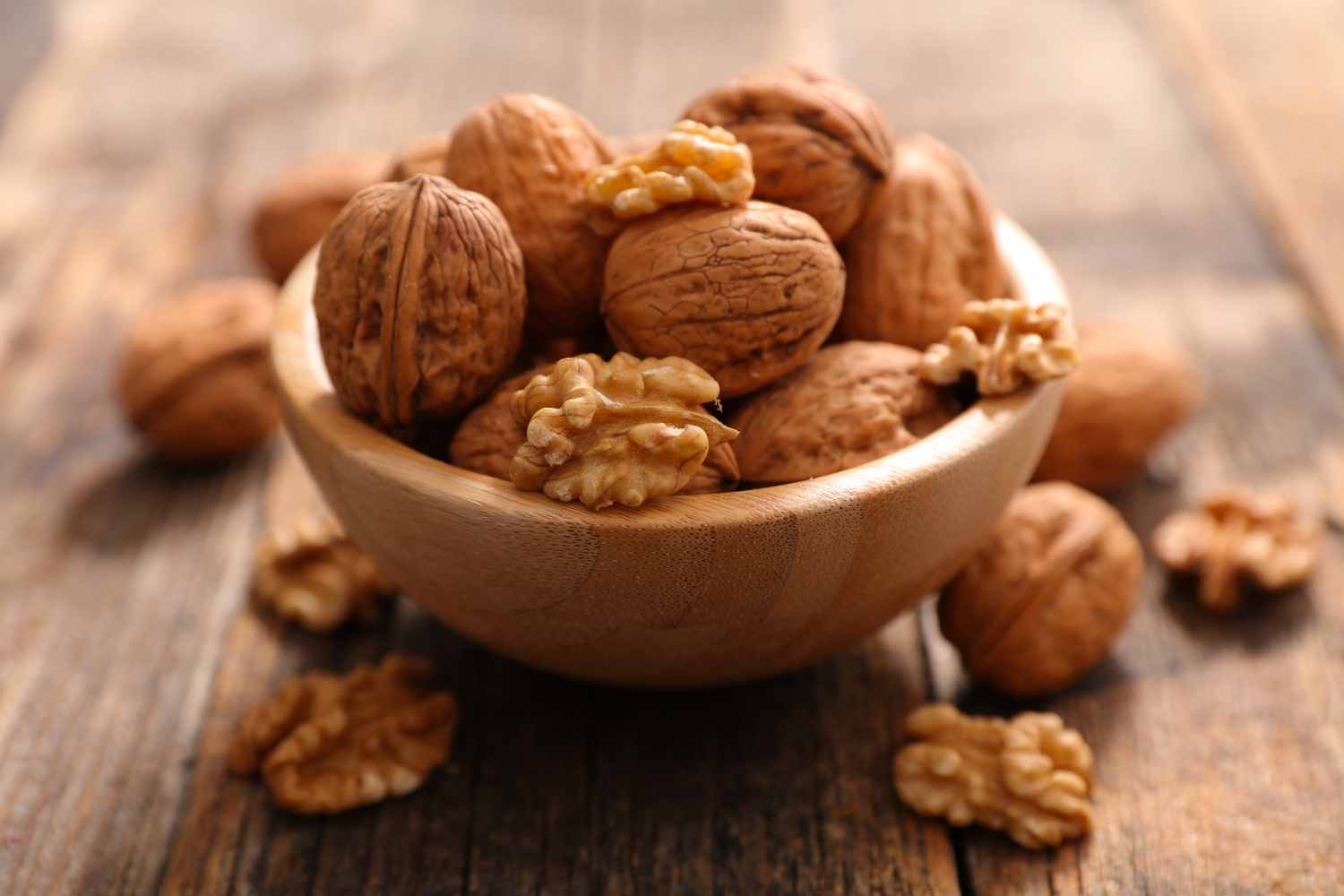
Recent research showed that consuming 40 grams of walnuts daily with dinner for eight weeks significantly improved sleep quality in young adults. Participants reported a reduction in the time it took to fall asleep and an overall improvement in the quality of rest. Walnuts also provide omega-3 fatty acids, vitamin E and other nutrients that support brain function.
A portion of approximately 30-40 grams of walnuts (equivalent to a handful) is more or less the optimal quantity to consume as an evening snack, or in addition to the dinner salad. Be careful not to overdo it, because walnuts are caloric and must be dosed in balance.
Bananas
Bananas are fruits that are easily available all year round and offer multiple benefits for those seeking a restful sleep. One study measured melatonin levels in the blood after consuming bananas and found a significant increase: from 32 picograms per milliliter to 140 picograms per milliliter two hours after consumption.
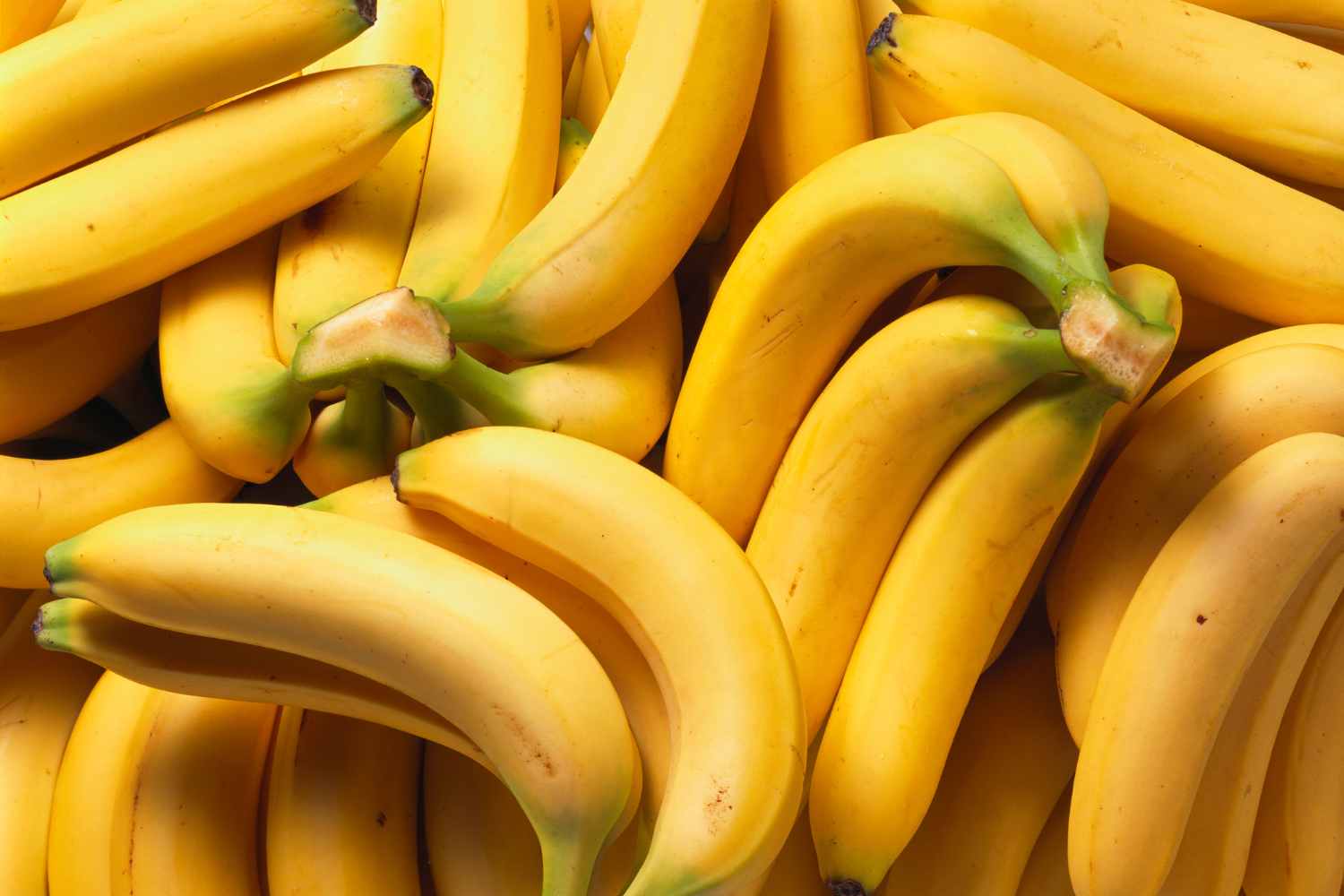
Clinical research has shown that consuming a banana before going to sleep for six weeks improves sleep quality assessed both with questionnaires and objective measurements. Bananas contain tryptophan, the precursor amino acid of serotonin and melatonin, as well as magnesium and potassium which promote muscle relaxation.
The natural sugar content in bananas helps release insulin, which facilitates the passage of tryptophan across the blood-brain barrier, where it is converted to serotonin and then melatonin. A medium-sized banana eaten as an evening snack or after dinner is a smart choice.
Oats
Oats are a whole grain rich in complex carbohydrates and contain both melatonin and tryptophan. Scientific studies have shown that consuming cereals enriched with tryptophan increases sleep efficiency, total rest time and reduces nocturnal awakenings. Oats also contain magnesium and B vitamins, essential nutrients for the synthesis of melatonin.
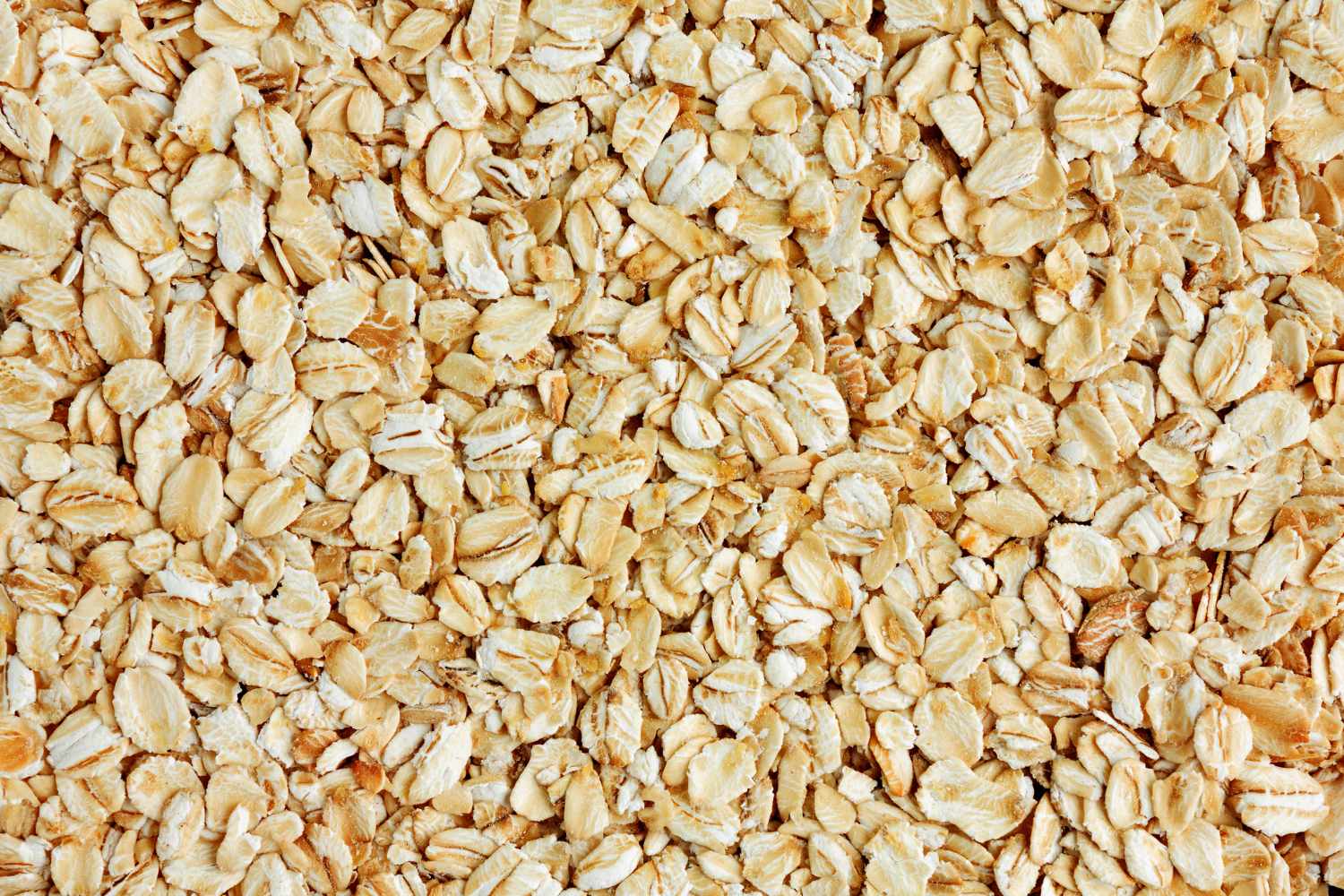
The complex carbohydrates in oats stimulate the production of insulin, which helps tryptophan reach the brain, where it is transformed into serotonin during the day and melatonin at night. The process is essential for regulating the sleep-wake cycle.
A portion of oat flakes in the evening, perhaps prepared with hot milk and a sprinkle of cinnamon, becomes a light dinner or a perfect snack before bed. Avoid adding too much sugar: prefer natural sweeteners such as a teaspoon of honey.
How to bring these foods into your evening routine
The key to obtaining concrete benefits is consistency and the right timing. Food should be consumed at dinner or as an evening snack, about one or two hours before going to bed, a good interval that would allow the body to digest the food and the nutrients to be absorbed and used for the production of melatonin.
Try creating some tasty combinations, such as a bowl of oats with chopped walnuts and sliced banana, or natural yogurt with kiwi and some cherries. The important thing is to keep dinner light, avoiding overly large meals that require long digestion and disturb sleep.
We conclude by saying how nutrition is only part of the puzzle. To sleep well you also need to reduce exposure to light from screens in the evening hours, keep the bedroom cool and dark, and establish regular times for going to bed and waking up. Remember that the natural melatonin contained in these foods will work better when inserted in a context of healthy habits, and that in case of serious problems related to sleep you will always have to consult a doctor to trace the causes and follow any therapy.
