
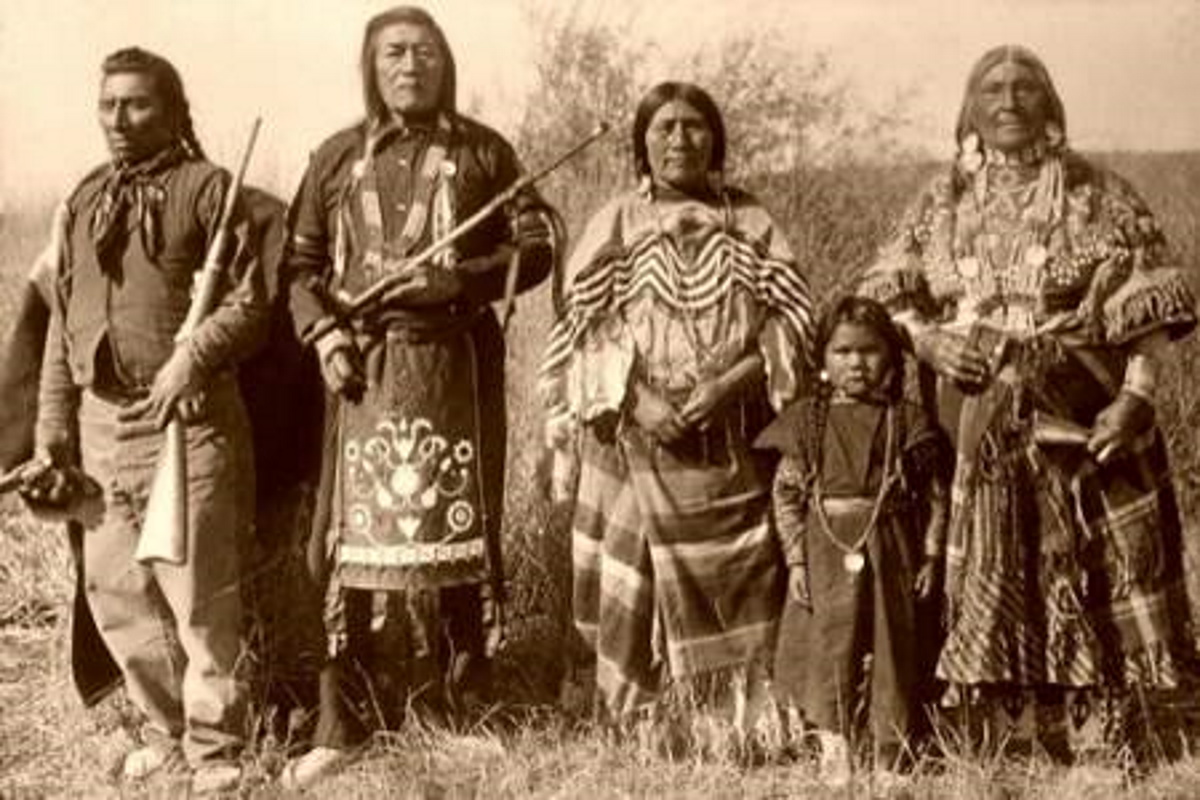
161 years ago, on November 29, 1864, hundreds of Native Americans lost their lives during the Sand Creek Massacre in Colorado. The militia regiment was led by American Colonel John Chivington: 700 mounted soldiers surprisingly attacked a village inhabited by around 600 natives belonging to the Cheyenne and Arapaho tribes, killing and mutilating hundreds of people, especially women, children and the elderly.
The unexpected attack occurred in a context of long wars and clashes between the United States and native Indians for control of lands during the Colorado gold rush and was planned just after some tribal leaders obtained agreements with the American government that recognized native control over some lands.
The episode was one of the most terrible, violent and bloodiest to have occurred in the United States and is still remembered today as one of the worst pages in American history. At dawn on November 29, on orders from Colonel Chivington, the soldiers indiscriminately attacked the villagers with firearms and edged weapons.
An inhumane attack
The few surviving natives and witnesses present during the massacre, including a trader named John Smith, later reported the macabre details of the attack: bodies literally torn to pieces, fingers, ears and noses cut off and displayed as trophies, testicles used as tobacco holders, heads stripped of scalps and dozens of newborns brutally killed.
It is estimated that between 137 and 175 natives lost their lives during the attack, unable to defend themselves as they were caught off guard.
American soldiers initially celebrated the massacre as a great victory, but testimonies soon brought to light the treachery and cruelty of the attack. Investigations were launched and Congress harshly condemned Colonel Chivington’s actions:
“Wearing the uniform of the United States, which is supposed to represent an emblem of justice and humanity; holding the important role of commander of a military district, and therefore having the honor of governing what fell within his powers, Chivington deliberately planned and executed a mad and cowardly massacre in which numerous people fell victim to his cruelty. Being clearly aware of the friendliness of their character, and having himself in a sense attempted to place the victims in a position of fictitious security, Chivington exploited the absence of any kind of defense on their part and their belief that they felt safe to give gratification to the worst passions that ever crossed the heart of man,” was the judgment expressed by Congress.
In the late 1990s, Colorado Senator Nighthorse Campbell, the son of Native Americans, presented a proposal to precisely define the area of the terrible massacre with the aim of giving it a protected park.
The proposal was accepted and became law: a territory of approximately 50 square kilometers was identified in Kiowa County, south-east of Denver, and at the end of the investigations, on 7 November 2000, the Sand Creek Massacre National Historic Site.
