
Science continues to tell us that the body and brain do not travel on different tracks, even if we often tend to tell ourselves that way. The idea of an isolated mind, protected as if under glass, still seems hard to die. Yet, every time research delves a little deeper into our biology, the same thing always happens: it turns out that the way we live directly shapes what happens in our heads.
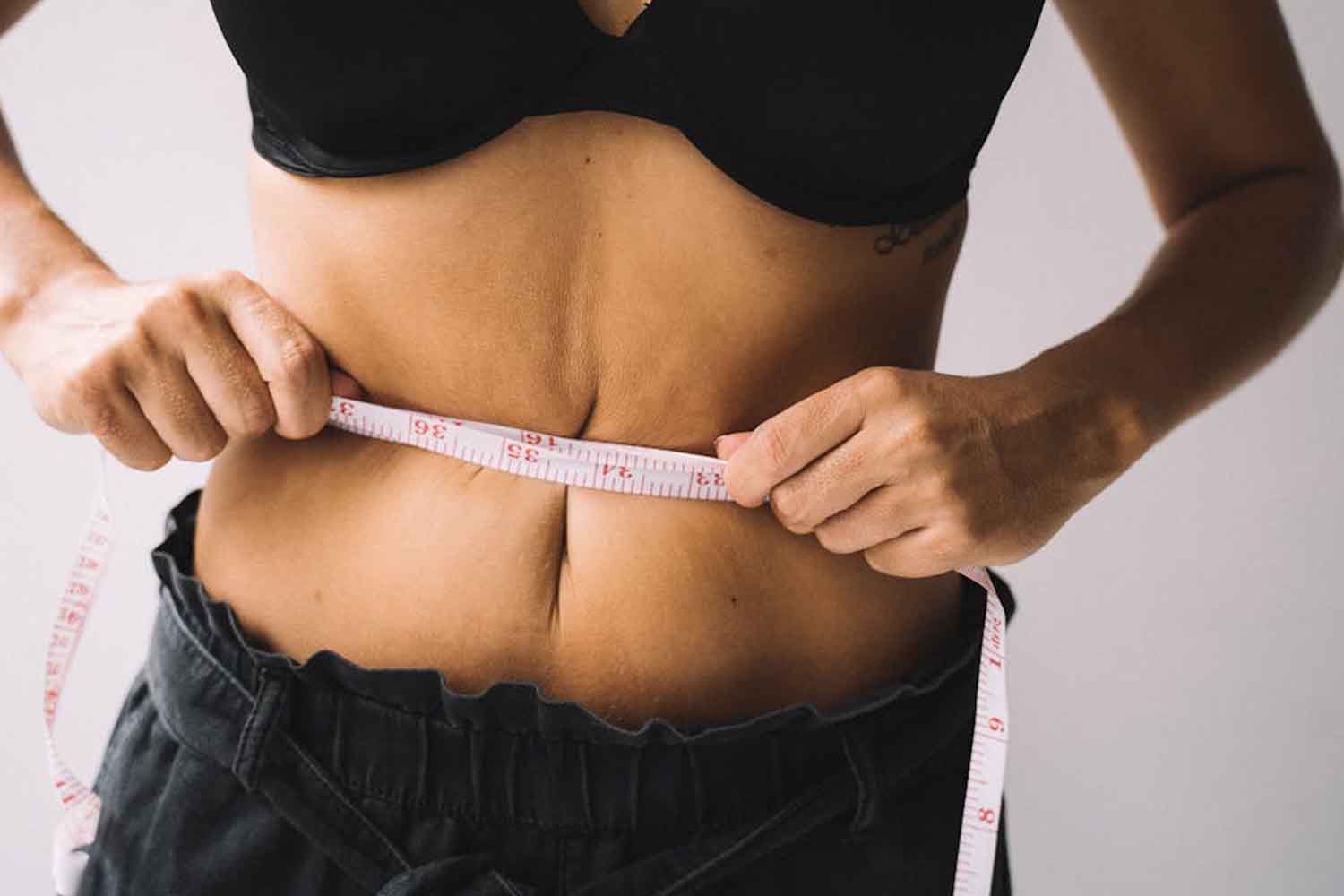
A new international study adds a fundamental piece to this picture. It shows, with clear and hard-to-ignore images, that hidden abdominal fat, the one we don’t see, the one that lurks near organs, not only links to inflammation and metabolic risk, but also appears to make the brain age faster. And surprisingly, it is the muscle – the great neglect of contemporary lifestyles – that behaves like a small elixir of cerebral youth.
Muscle and hidden abdominal fat tell more than we think
The research, led by the team from the Washington University School of Medicine and coordinated by the neuroradiologist Cyrus Raji, enrolled over a thousand adults. The average chronological age was around fifty, but the brain age – estimated thanks to an artificial intelligence model – varied enormously.
The people underwent a whole body MRI: muscles, subcutaneous fat and above all visceral fat, the invisible but metabolically active one, were measured with millimeter precision. Then, an algorithm analyzed the brain images to determine how old he “looked.”
The result was surprisingly straightforward. People with more muscle mass showed younger brains. Those with more hidden abdominal fat showed the opposite: a brain that was visually older than their age.
Fat just under the skin, however, showed no correlation. It’s not all “fat” that causes harm, as Raji explains:
Healthier bodies, with more muscle and less visceral fat, tend to have younger and more structurally resilient brains. And a younger brain also means lower risks of neurodegenerative diseases, such as Alzheimer’s.
In other words, what we wear under our clothes tells a lot about what happens inside our heads.
Muscle and brain speak the same language
Working on muscles is not just an aesthetic issue: it is a very powerful biological act. Muscle tissue releases molecules that influence metabolism, inflammation and even brain plasticity. And since visceral fat, on the contrary, stimulates chronic inflammatory processes, the difference between these two tissues almost becomes an internal dispute between “allies” and “saboteurs”.
Today, brain age is one of the tools most used by scientists to understand how the brain is really aging and whether the process is speeding up, slowing down or proceeding irregularly. It’s like looking at an x-ray of our biological history, beyond just the date of birth.
Perhaps the most encouraging aspect of this discovery is its pragmatic nature: muscle and visceral fat are two variables that we can modify. They grow and decrease based on concrete choices: movement, lifestyle, nutrition.
Technologies are also changing the landscape. Today, artificial intelligence allows us to measure the age of the brain without subjective interpretations, transforming this data into true markers of prevention. And it is no coincidence that the study suggests a key point: any therapy, including the widespread GLP-1 drugs, should aim to reduce visceral fat without affecting the muscle, precisely to protect long-term brain health, as Raji reiterates:
The ideal goal is to lose the right fat, visceral fat, while preserving muscle mass. A detail that could transform the way future treatments are designed.
The research, published by the Radiological Society of North America, opens an intriguing glimmer of light: the idea that the shape of our body – not the aesthetic one, but the metabolic one – represents a sort of anticipated mirror of the destiny of our brain.
And perhaps the future of prevention will pass from here: not from the weight on the scale, but from the quality of what makes up that weight.
You might also be interested in:
