
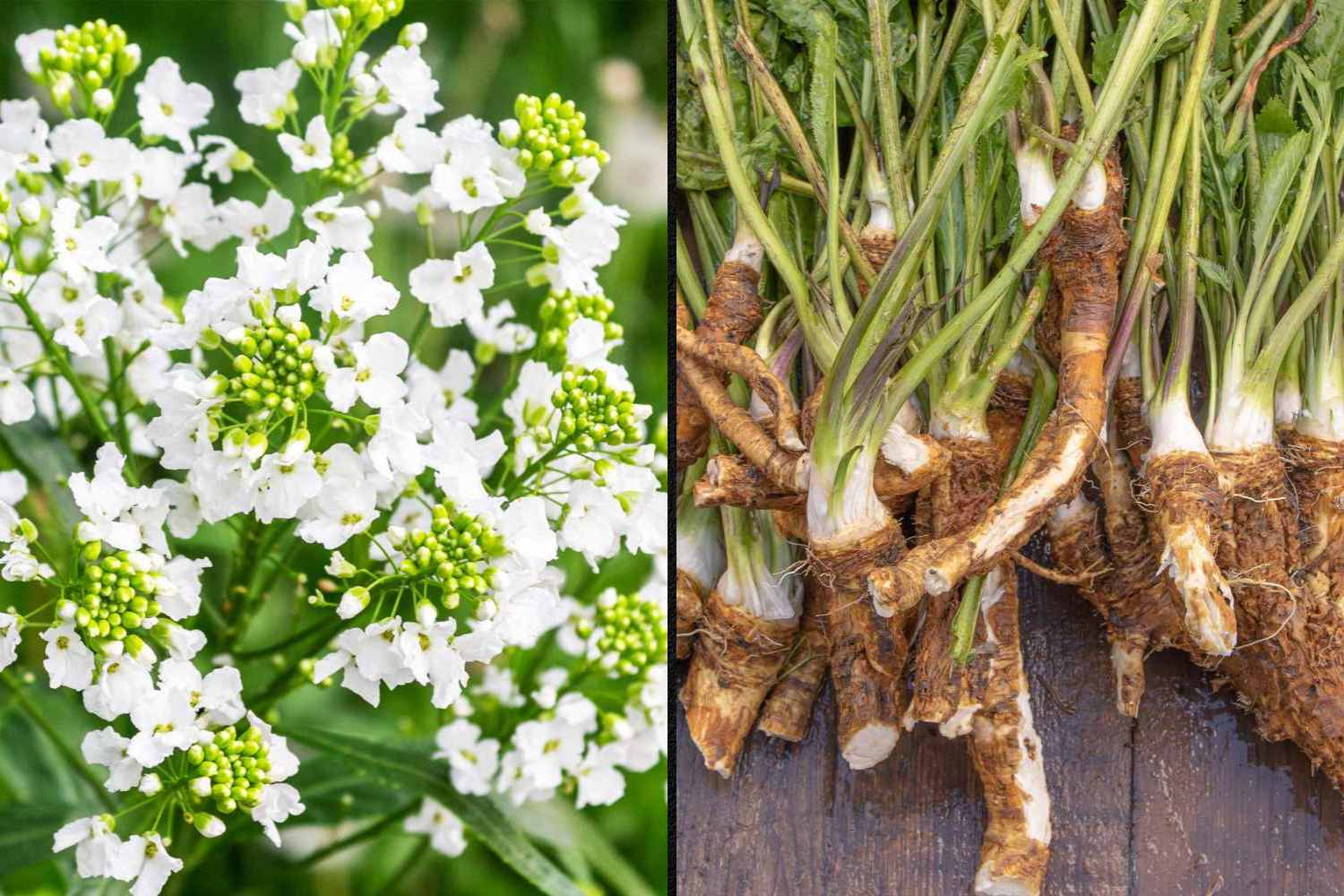
The cold season often brings colds, congestion and ailments that strain the respiratory system, so it is useful to know some natural methods to deal with everything: among the traditional remedies, a root with an intense flavor and pungent aroma stands out, horseradish, also known as “horseradish” and “barbaforte”, a plant that hides therapeutic virtues today supported by scientific research.
An ancient root with a thousand virtues
THE’Armoracia rusticanathe scientific name of horseradish, belongs to the horseradish family Brassicaceaethe same one that includes cabbage and broccoli. It grows spontaneously in humid soils in Eastern Europe and has also spread to Italy along rivers and mountain areas. The root, cylindrical in shape and covered with a wrinkled, dark skin, contains a white pulp with a balsamic scent and a strong flavor reminiscent of mustard.
The properties were already known by ancient civilizations: in the Middle Ages it was used for digestive disorders and respiratory problems, while in more remote times it represented a precious aid against scurvy thanks to the very high content of vitamin C, even higher than that of citrus fruits.
The secret of the spicy flavor
The pungent taste comes from the sinigrinaa glucosinolate that makes up almost all of the compounds present in the root. When fresh horseradish is grated or chopped, the myrosinase enzyme transforms sinigrin into allyl isothiocyanate, a substance that releases an intense aroma capable of making the nasal mucous membranes water and irritate, with an effect similar to that caused by onions.
The reaction is not only responsible for the acrid character, as it also contributes to the therapeutic qualities of the plant. In fact, allyl isothiocyanate has a very strong antimicrobial and antibacterial action, capable of hindering the proliferation of pathogenic bacteria such as Helicobacter pylori, Escherichia coli And Staphylococcus aureus.
A precious ally against seasonal ailments
Horseradish has been used for centuries as a natural support for the respiratory system. The root has good efficacy in the treatment of bronchitis, sinusitis and common colds, thanks to a double mechanism of action: the essential oils exert an immediate decongestant effect, while the antibacterial and anti-inflammatory compounds act on infections.
The aroma of horseradish clears the airways, promotes the expulsion of mucus and makes phlegm more fluid. The abundance of vitamin C strengthens the immune defenses, helping to make the body more resistant to the viruses and bacteria typical of winter.
The glycols contained in the essential oil also have analgesic and anti-inflammatory properties that act on the respiratory tract and urinary system. Referring to research, this study from Comenius University in Bratislava demonstrated that aqueous horseradish extract significantly reduced oxidative DNA damage induced by hydrogen peroxide (from 78% to 35.75%), confirming the antioxidant properties of the root.
How to use horseradish for respiratory health
To obtain immediate relief in case of nasal congestion, simply inhale the aroma released by a freshly cut root. For a more prolonged effect, a poultice can be prepared by mixing the chopped root with vinegar and salt, to be applied to the chest for an expectorant action.
In cooking, fresh grated horseradish retains all its qualities. It can be added to sauces, soups or salads, or used for the traditional horseradish sauce, prepared with vinegar, oil, sugar and salt, ideal for accompanying boiled meats, smoked fish and raw vegetables.
Nutritional composition and other properties
One hundred grams of fresh root provide approximately 48 calories and are composed largely of water and fibre, as well as a significant presence of mineral salts such as potassium, calcium, phosphorus, iron and magnesium. As already highlighted, the content of vitamin C is particularly high, as is that of vitamin B9 (folic acid). There is no shortage of natural antioxidants such as lutein and zeaxanthin, which are important for eye health.
In addition to the benefits for the respiratory system, horseradish promotes digestion by stimulating the production of bile and gastric juices, has a diuretic effect useful against water retention and improves circulation thanks to potassium, which contributes to the regulation of blood pressure.
In the presence of gastritis, ulcers, gastroesophageal reflux and kidney problems, it is better to avoid taking it, as it could irritate the mucous membranes of the stomach. Use is also not recommended during pregnancy and breastfeeding.
