
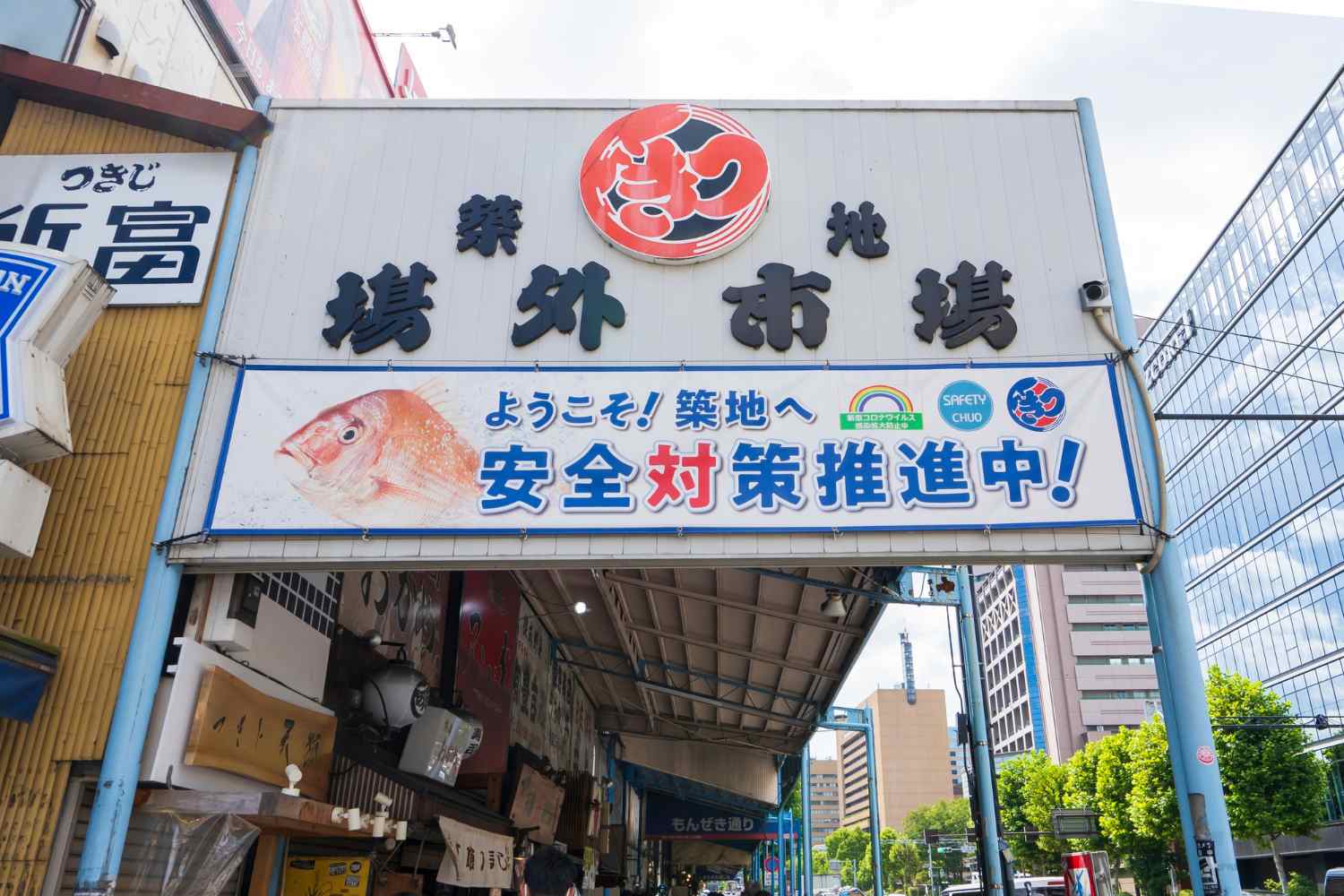
Tokyo’s famous Tsukiji fish market is facing unprecedented pressure. Local traders have appealed to visitors to limit access in the run-up to Christmas, marking the first time they have been publicly asked to avoid the area. The excessive turnout is creating significant inconveniences: the narrow alleys of the neighborhood, originally designed for the fishing industry, are now paralyzed by crowds of tourists, putting the business of traditional shops and restaurants at risk.
An infrastructure problem
According to Kishiji Kitad, president of the consortium of operators, Tsukiji does not have adequate infrastructure to handle mass tourism. The phenomenon exploded after the Tokyo Olympics, when international word of mouth dramatically increased the number of visitors. The result is a picture of overtourism, where the tourist experience and local life come into conflict, compromising the daily functioning of the neighborhood’s shops and sushi bars.
Regulars on the run
The growing crowds are not just a logistical problem: many regular customers have stopped frequenting Tsukiji, discouraged by the difficulty of moving between fish stalls, restaurants and artisan shops. The consortium is trying to collaborate with tourist agencies and local guides to exclude the market from December itineraries, in an attempt to preserve traditional customers and reduce the inconvenience caused by the massive influx of tourists.
Growing tourism and a struggling government
Japan is experiencing a tourism boom: according to the Japan National Tourism Organization (JNTO), over 32 million international visitors arrived in the first months of 2025. The increase is driven by a weak yen, an easing of visa restrictions and the country’s growing cultural popularity. However, the government appears unprepared to manage this growth, and is considering measures such as increasing tourist taxes, increasing visa costs and limiting access to iconic sites, seeking a balance between hospitality and quality of life for residents.
Protect the identity of the neighborhood
The case of Tsukiji highlights the fragility of a historic district, born for commerce and not for mass tourism. The challenge for Tokyo will be to reconcile tourism development with the protection of residents, local traders and the historic market culture, preventing excessive tourism from destroying what makes this iconic place unique.
You might also be interested in:
