
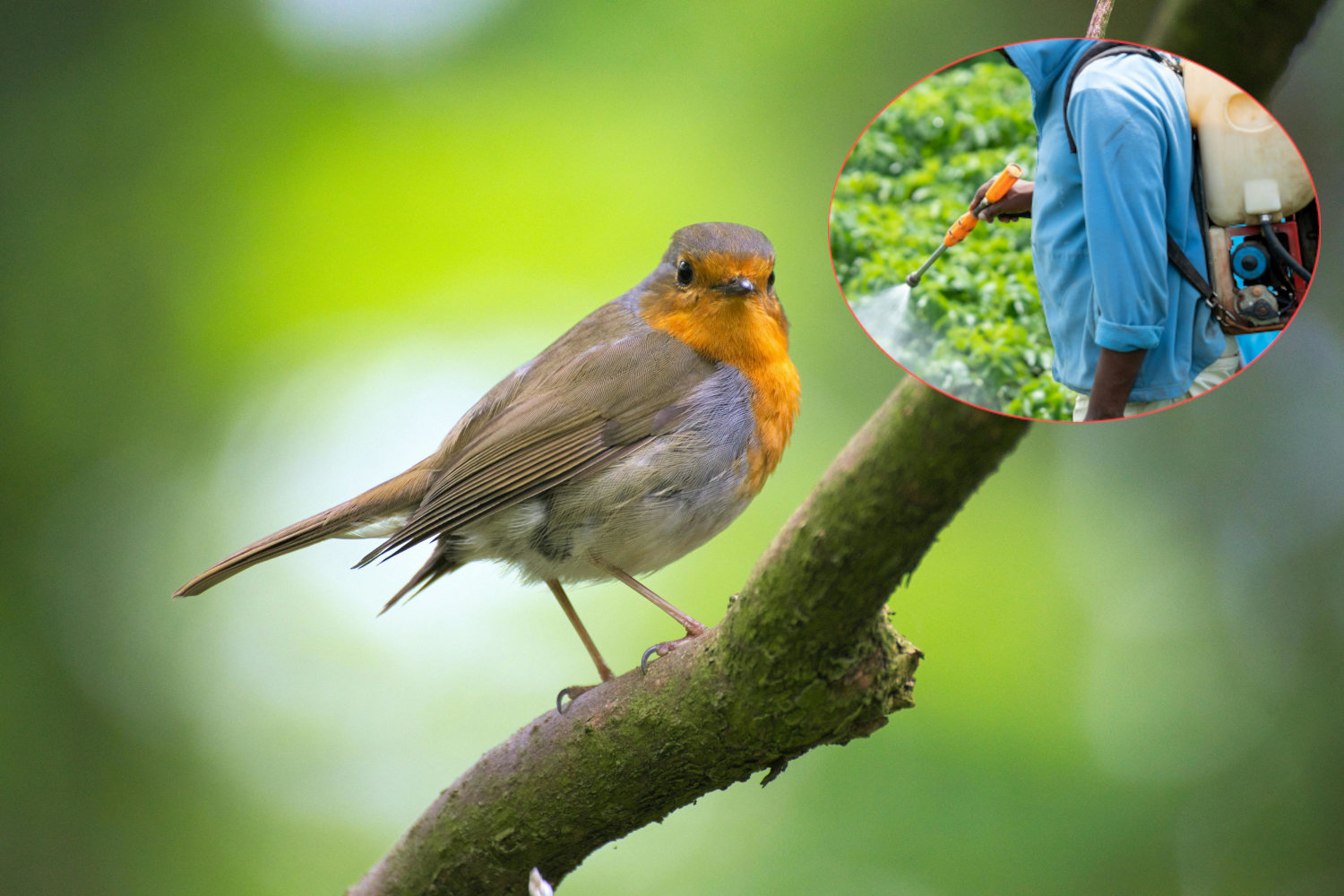
Several years after the introduction of the European ban on neonicotinoids, the first positive findings on the state of bird populations are arriving. A new analysis conducted in France highlights that, since 2018, many insectivorous species are showing slow but measurable growth. There is talk of an increase of up to 3%, a percentage which, extended to 57 species, acquires a significant ecological weight and confirms the impact of the ban.
The key role of neonicotinoids in the environmental crisis
These pesticides have long been at the center of controversy: introduced in the 1990s and spread throughout Europe, they are absorbed by crops and make plants toxic to insects.
It is precisely this mechanism that contributed to the bee deaths recorded in the early 2000s, mobilizing the scientific community and environmentalists. With the 2018 announcement, it was hoped to reverse the decline of fauna linked to agricultural ecosystems.
A large-scale research to understand the effects of the ban
The scholars monitored almost two thousand areas of cultivated fields and prairies, observing the presence and distribution of birds from 2013 to 2022. The comparison between the period before and after the ban shows a clear increase in species such as finches, blackbirds and blackcaps. In some cases the growth reached 12%, especially in areas where the pressure from pesticides was stronger.
Despite the positive data, researchers remain cautious: part of the recovery could be influenced by variables such as climatic conditions, fires, heat waves or land transformations. For this reason they define the results as an example of a weak recovery, while recognizing the value of the trend.
A slow but realistic recovery according to experts
Thomas Perrot, one of the authors, points out that such gradual recoveries are normal when it comes to species affected for decades. Historical studies on the famous DDT show that many populations take up to 25 years before returning to a stable level. At the same time, scientists hope that future monitoring will clarify whether this recovery will also contribute to the natural control of insects harmful to agriculture, favoring a more sustainable management model.
The EU changes direction
Unfortunately, however, while the data show concrete benefits for fauna, the The European Commission is evaluating unlimited authorizations for the active substances of pesticides, even for those already banned for environmental or health reasons. In the past, the EU had banned some active substances for health and environmental safety reasons.
The new proposal opens up to more management flexible and unlimited, providing however that any time limits are applied only if necessary to ensure high standards of protection. Member States will be able to periodically select substances to be subjected to complete renovation. This choice risks nullifying the positive effects of the neonicotinoid ban, introducing chemicals in the future that could again harm birds and agricultural ecosystems.
View this post on Instagram
You might also be interested in:
