
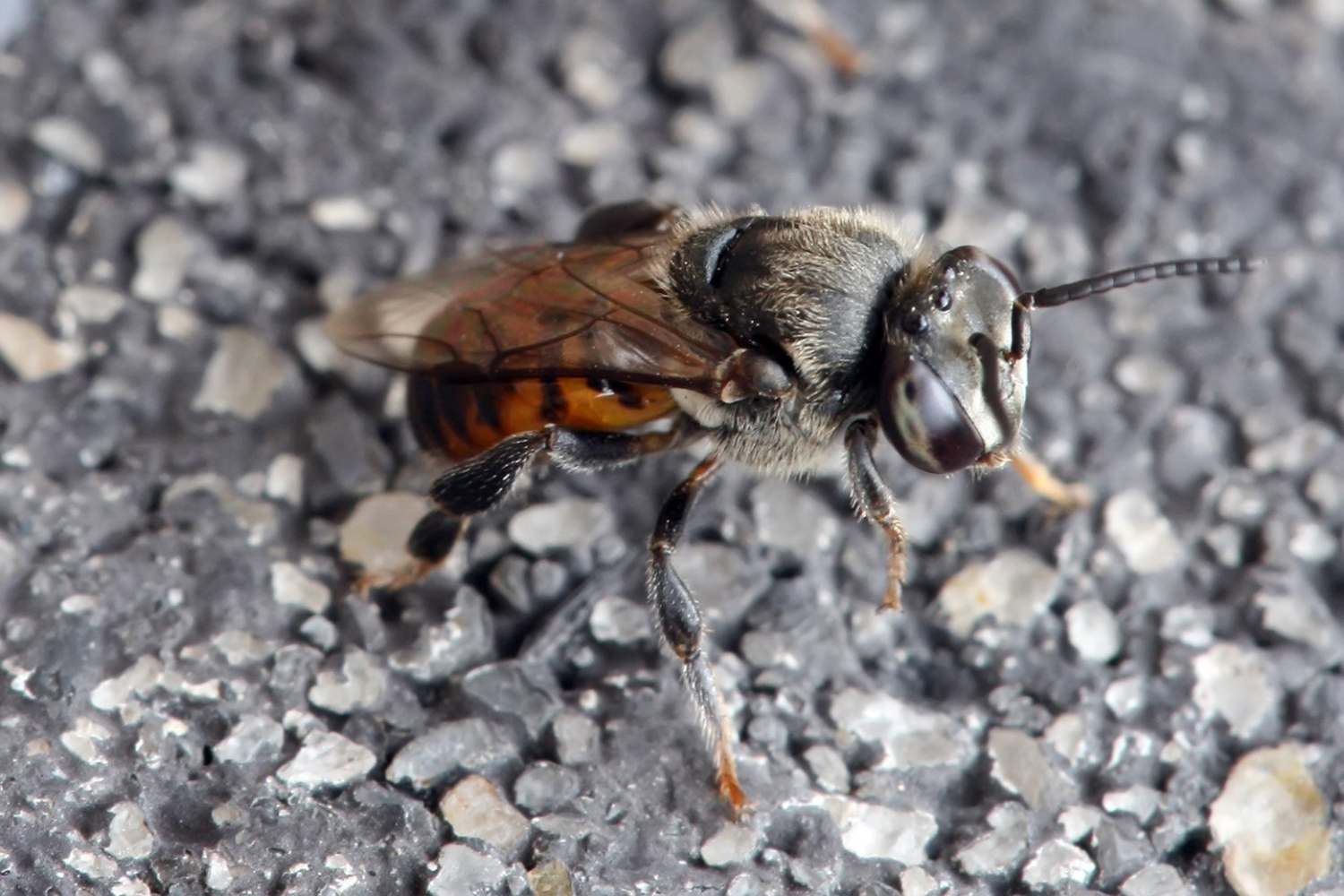
The Province of Satipo, Peru, has passed an unprecedented ordinance granting stingless Amazon bees and their habitat a series of legal rights. Municipal Ordinance N°33-2025-CM/MPS represents the first case in the world in which an insect obtains formal recognition as a subject of law. The initiative was born within the Avireri VRAEM Biosphere Reserve, an area rich in biodiversity and fundamental for the survival of many plant species.
The rights recognized to Meliponini bees
Native bees of the Meliponini group, without a functional sting, play a crucial role in the pollination of Amazonian flora. The ordinance gives them inherent rights, including the right to exist, maintain healthy populations, live in an environment free of contamination and continue to fulfill their ecosystem role. The right to regenerate one’s life cycles and to be legally represented in the event of threats is also established.
An action against an environmental and cultural crisis
Stingless bee populations are now exposed to devastating pressures: deforestation, pesticide use, climate change and loss of their natural habitat. Their decrease puts at risk the regeneration of the Amazon forests, food security and the continuity of traditional Ashaninka knowledge, linked to the thousand-year-old practice of meliponiculture. The new regulatory framework prohibits the use of toxic substances and the destruction of nests and colonies within protected areas.
A collaboration between science, indigenous communities and institutions
The ordinance is the result of a collaboration between the Earth Law Center, Amazon Research Internacional, local scientists and indigenous communities such as the Ashaninka Comunal Reserve. The project includes the first mapping of native bee colonies, the documentation of Ashaninka traditional knowledge and the creation of the First Community Biocultural Protocol. It is an innovative governance model that intertwines modern science and ancestral wisdom.
Satipo’s decision is already inspiring international movements and global campaigns in defense of wild pollinators. Organizations such as Avaaz and Bee:wild are collecting hundreds of thousands of signatures for Peru to extend protection to the entire national territory. The Satipo case thus appears to be a global precedent destined to influence future environmental policies.
You might also be interested in:
