

December arrives punctually like the strobe lights on the balconies and with it the tradition of the Secret Santa which divides humanity into two categories: those who get excited at the idea of finding the perfect gift within a ridiculous budget and those who would like to literally evaporate when the hat with the names starts circulating in the office. This year, however, the game becomes even more complicated because the economic challenge is accompanied by an awareness that we can no longer afford to ignore: the planet is collapsing under the weight of our Christmas consumerist compulsion.
The issue is more complex than it seems. Ten euros are objectively too little to buy something significant, but they are also enough to contribute to an environmental disaster if poorly invested. Every year millions of useless objects cross the oceans crammed into containers, produced in questionable conditions, destined for a very short life before ending up in some forgotten drawer or directly in the garbage. The Secret Santa should be a moment of lightness and conviviality, but instead it risks turning into an exercise in consumerist cynicism where the irony of the trashy gift becomes the excuse to perpetuate an unsustainable model.
Avoid junk shops
The first trap to avoid are those shops overflowing with Christmas-themed objects that seem to have been designed by a crazed algorithm. We are talking about mugs with writings that raise at most half a smile, Santa Claus dolls that dance to the rhythm of techno music, scented candles that smell of industrial chemistry disguised as “vanilla and cinnamon”. These objects have an environmental cost disproportionate to their actual usefulness, which in most cases runs out in the first thirty seconds after unwrapping the package. The plastic they are made of, however, will take centuries to decompose, assuming it ends up in the right place and not in the sea or in some illegal landfill.
The most sustainable alternatives
The alternative exists and it is less complicated than you might imagine. The secret is to think of the gift as something the person will actually use, even if it costs little.
Search the craft shops: soaps, candles…
A good place to start is neighborhood shops run by local artisans or small producers. An artisanal bar of soap made with natural ingredients costs less than ten euros, smells really good instead of smelling like a chemical laboratory, and above all it will be used down to the last millimeter. No one has ever complained about having too much soap in the house, unlike the mugs with motivational quotes that no one ever asked for. Furthermore, these items are made with often recycled or natural materials and have a longer life cycle than industrial objects. Supporting small businesses means contributing to keeping artisan traditions alive and supporting those who work ethically.
Books, vinyls, small design objects in vintage shops or markets
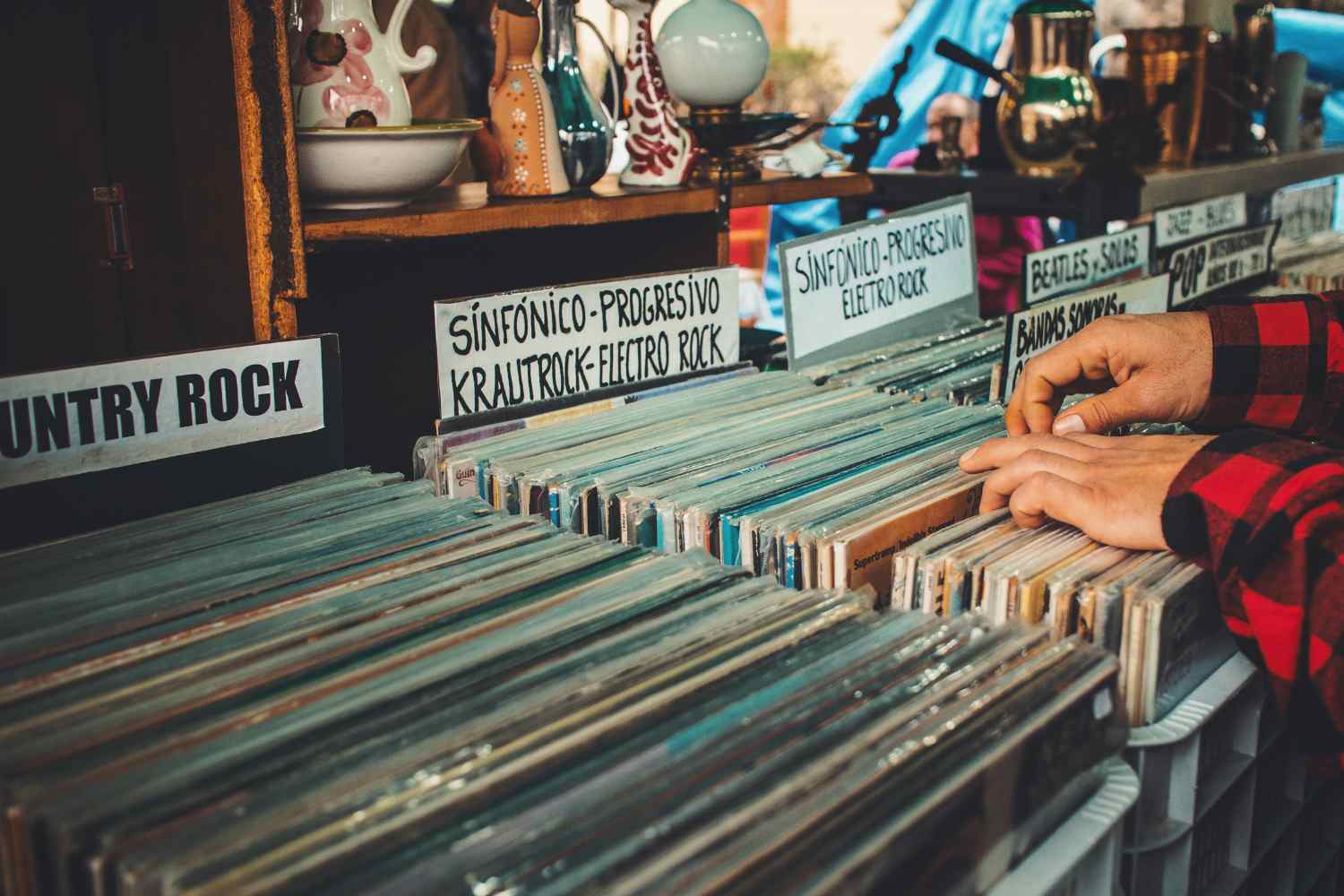
Second-hand markets and vintage shops represent another possibility that is often overlooked but full of opportunities. With ten euros you can find books in excellent condition, vinyl records by forgotten but fascinating artists, small design objects from past years that today would cost three times as much if new. The concept of “used” still carries with it a stigma that should be urgently demolished: giving away something second-hand does not mean being stingy, it means recognizing value in objects that already have a history and that deserve a second life instead of ending up piled up in some attic. Sustainability also involves extending the life of objects, not only through the production of new “eco-friendly” items which are often only eco-friendly on paper.
Focus on edible gifts
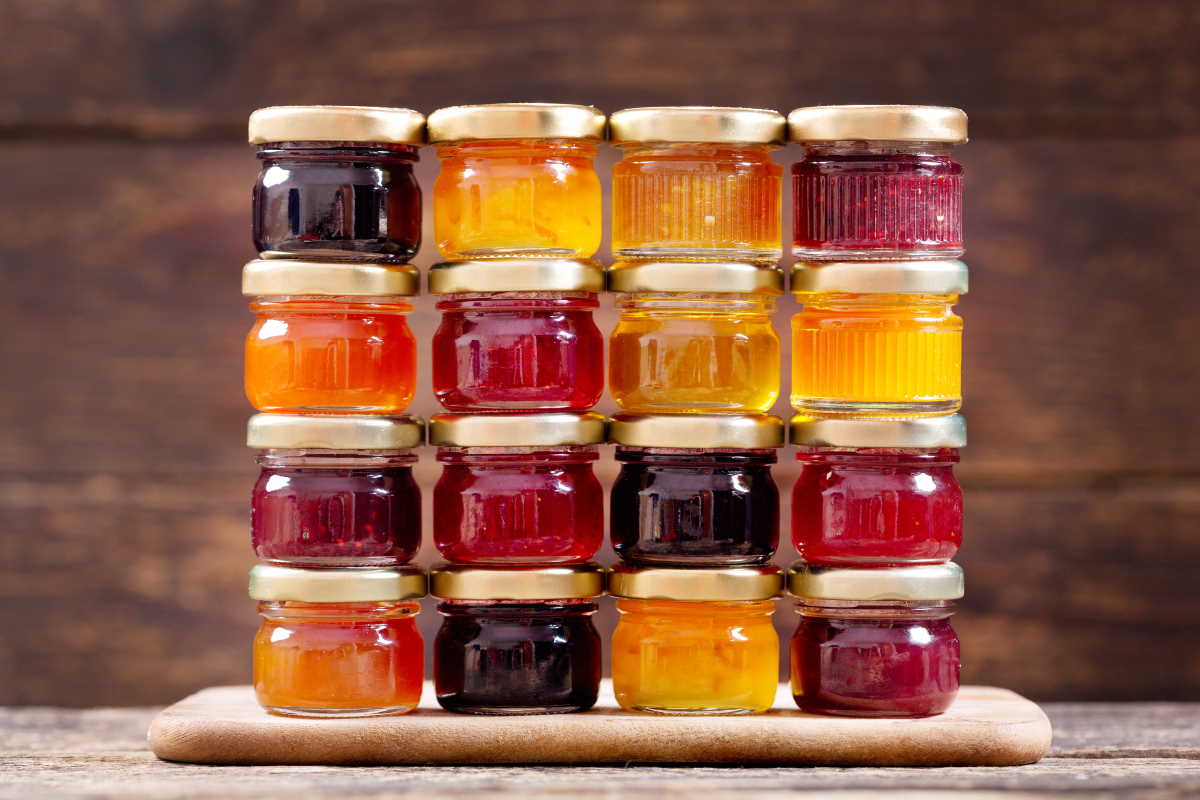
Another interesting direction is that of edible gifts, as long as they are chosen wisely. We are not talking about the usual Christmas baskets packaged with industrial products, but about local food specialties that tell the story of a territory. A small package of artisanal honey, a jar of jam made with zero kilometer fruit, a package of dried pasta produced with ancient grains by a small pasta factory. These gifts have the double advantage of being consumable and supporting local economies instead of multinationals that optimize profits by relocating production and exploiting low-paid labor. Food, when it’s really good, is never wasted.
Plants are evergreen

Plants represent a gift that continues to give long after the moment of exchange. With ten euros you can buy a succulent plant in a serious nursery, a small aromatic plant such as basil or mint that can also be grown on a city windowsill, or bulbs to plant in spring. It is a gift that requires care but which for this very reason has an important symbolic value: it says that you are interested in giving something alive, that will grow over time, that needs attention. Of course, you need to know a little about the recipient to understand if he’s the type who can keep a plant alive or if the poor thing will wither within a week, but this applies to any sensible gift.
Try it yourself
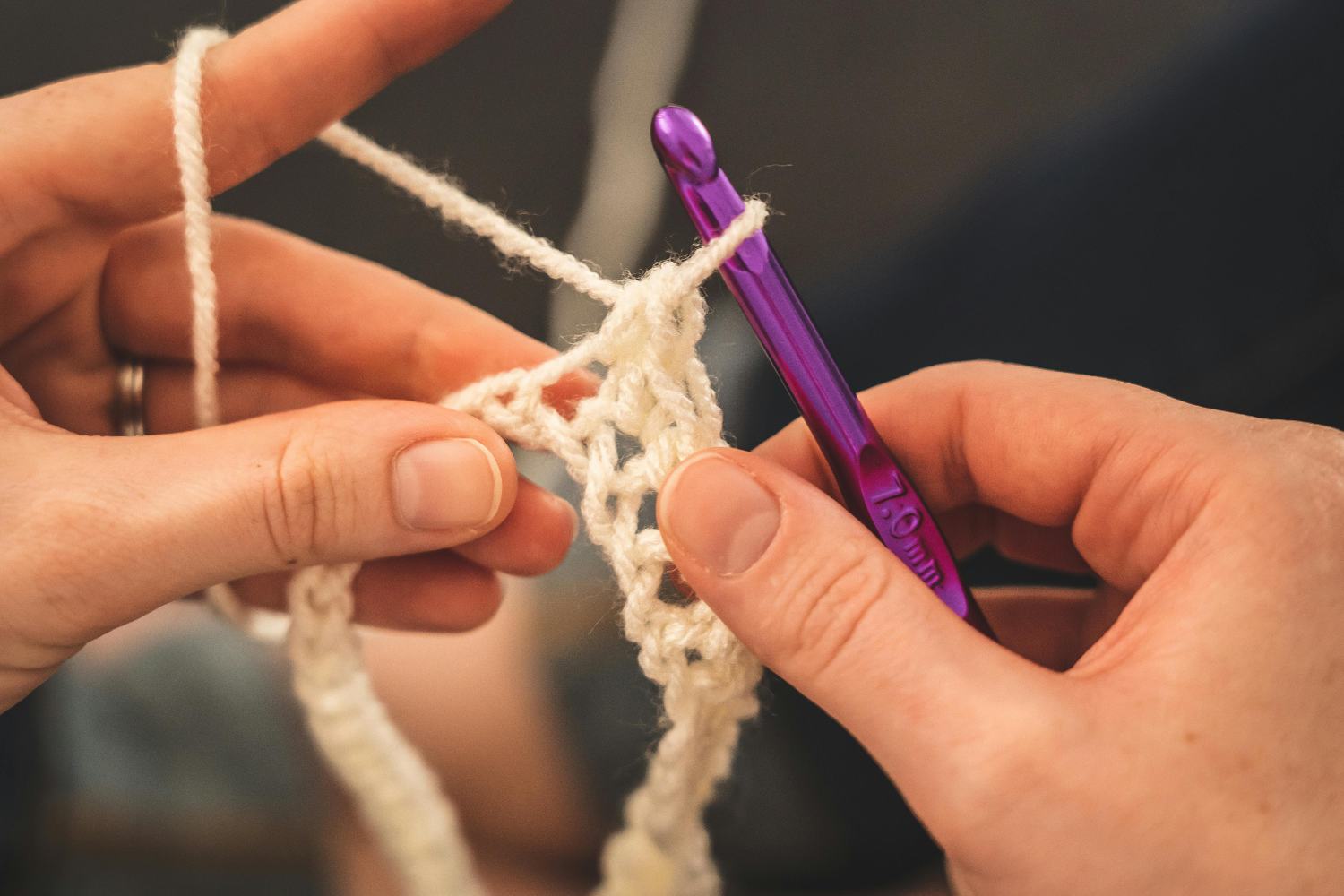
The bravest but also most personal option is to create something with your own hands. You don’t need to be an expert craftsman: homemade biscuits packaged in a recycled glass jar, a small framed print of a photograph taken personally, a bookmark made with cardboard and watercolours. The time invested in creation has a value that no purchased object can replicate. Of course, this path requires organization and cannot be improvised the evening before the exchange, but this very need for planning restores dignity to the gesture of giving which otherwise risks being reduced to a last minute rush among the shelves of the first shop opened.
Experiential gifts

Then there is the less traveled territory of experiential gifts, which with ten euros still allow interesting margins for maneuver. A ticket for an exhibition in a civic museum, entry to an arthouse cinema for a special screening, a voucher for a tasting in a neighborhood wine shop. They are gifts that do not take up physical space, do not generate packaging to be disposed of, do not cross oceans to reach their destination. Above all, they offer quality time instead of objects destined for planned obsolescence or immediate oblivion. The experience is consumed the moment it is lived but its value can last much longer than the average life of a scented candle or a technological gadget. Of course, you have to match the tastes of the recipient more than with a generic material gift, but this need for mutual knowledge is exactly what should characterize an exchange of gifts between people who share work spaces or friendships.
What packaging to use?
Then there is the issue of packaging which is too often ignored. It makes no sense to find the perfect sustainable gift and then package it in plasticized paper that cannot be recycled, decorated with synthetic ribbons that will end up straight in the garbage. Normal wrapping paper, the untreated brown one, can be decorated with dry twigs, natural twine or even just with a hand-made design. The result is infinitely more elegant and personal than standardized packages that all look the same. Even old newspapers can become an original gift card if used creatively, perhaps choosing a page with an image or title that connects in some way to the gift or recipient.
The inconvenient truth is that sustainable Secret Santa requires more time, more thought, more intention than the traditional version based on a quick trip to any store. It requires knowing at least vaguely the person to whom you are giving the gift, inquiring about where to find better alternatives, and planning instead of improvising. But perhaps this is precisely the point: to restore to the gesture of giving that dimension of care and attention that frenetic consumerism has made us forget. Ten euros may seem little but they are enough to make the difference between an object destined to become waste in a few days and something that will be appreciated, used, remembered. Sustainability, after all, is not only an environmental issue but also a question of respect: towards the planet, towards those who produce, towards those who receive.
