
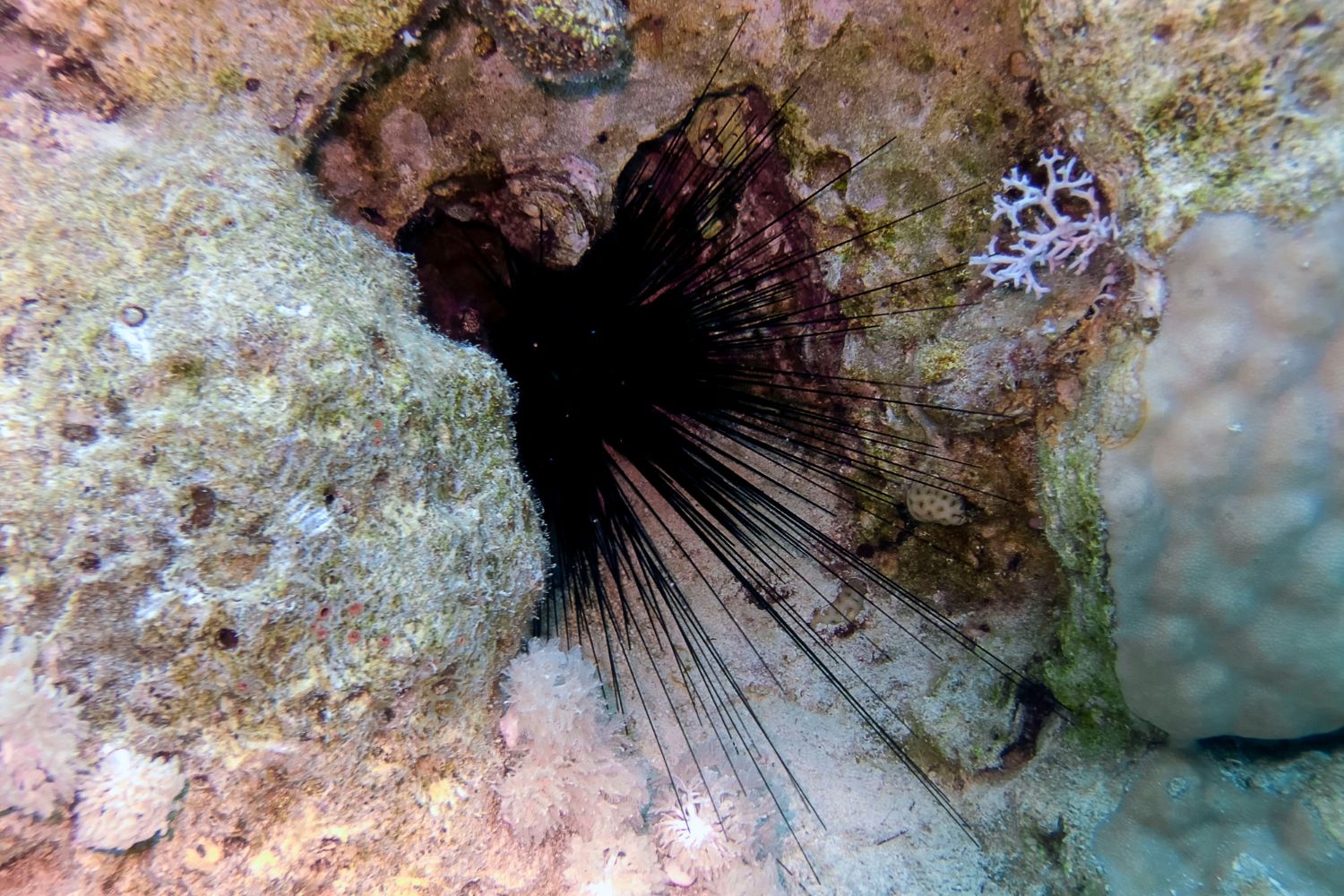
For almost four years now, an invisible pandemic has been affecting sea urchins in different regions of the planet, from the Caribbean to the Red Sea, up to the Indian Ocean. These important engineers of marine ecosystems are dying rapidly, transforming once coral-dominated seabeds into expanses of white skeletons and invasive algae.
The new wave of deaths, recorded between 2022 and 2023 in the Canary Islands, marks a critical stage in this global crisis. In particular, urchins of the Diadema genus, which play an essential role in maintaining the balance of marine ecosystems, are decimated.
These are urchins that graze on algae that threaten corals, but when they are hit by a pathogen, the effect is devastating: within a few days, entire populations are reduced to empty shells.
The emergency in the Canary Islands
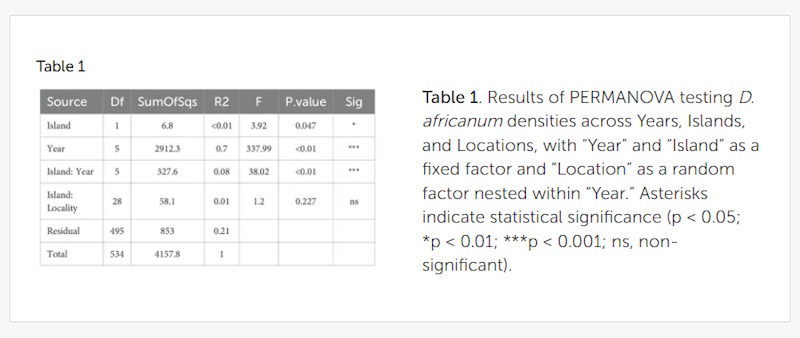
Between the summer of 2022 and 2023, the hedgehogs of Diadem africanum they died en masse on the coasts of the western islands of the Canary archipelago. The drop was impressive: in La Palma a reduction of 74% and in Tenerife a reduction of 99.7%. Analyzes have shown that the reproduction of these hedgehogs is now almost non-existent. The phenomenon, although largely mysterious, is repeated in many other marine regions, from the Mediterranean to the Red Sea and the Indian Ocean.
This is what the authors of a study published in Frontiers in Marine Science who warn, in fact, that the crisis is not limited to the Canary Islands, but has spread to various global marine ecosystems, where the pathogen has been identified in several species of urchins. In some areas, it has been found that a ciliated parasite of the genus Philaster it is the main cause of die-offs, killing up to 90% of infected hedgehogs.
The consequences of this pandemic could be devastating. Sea urchins, which regulate the growth of algae and support reef biodiversity, are crucial to the survival of corals. Without them, coastal ecosystems risk suffering irreversible collapse, as already happened in the Caribbean in 1983, when a similar epidemic transformed entire reefs into fields of algae.
Scientists are studying the rapid spread of this pathogen, which appears to travel along maritime trade routes, affecting increasingly distant areas. In the absence of treatments or vaccines, the focus is on preventing the spread by controlling shipping routes and breeding hedgehogs in isolated environments. However, the threat is serious: if not stopped, it could spread to new ecosystems, such as the Pacific, where some of the most vital reefs on the planet are located.
The scientific community, meanwhile, continues to work on underwater genetic sampling technologies to monitor the epidemic in real time and to better understand the nature of the pathogen that is threatening sea urchins and, with them, the health of our oceans. The future of reefs depends on a timely response and greater understanding of this global environmental crisis.
