
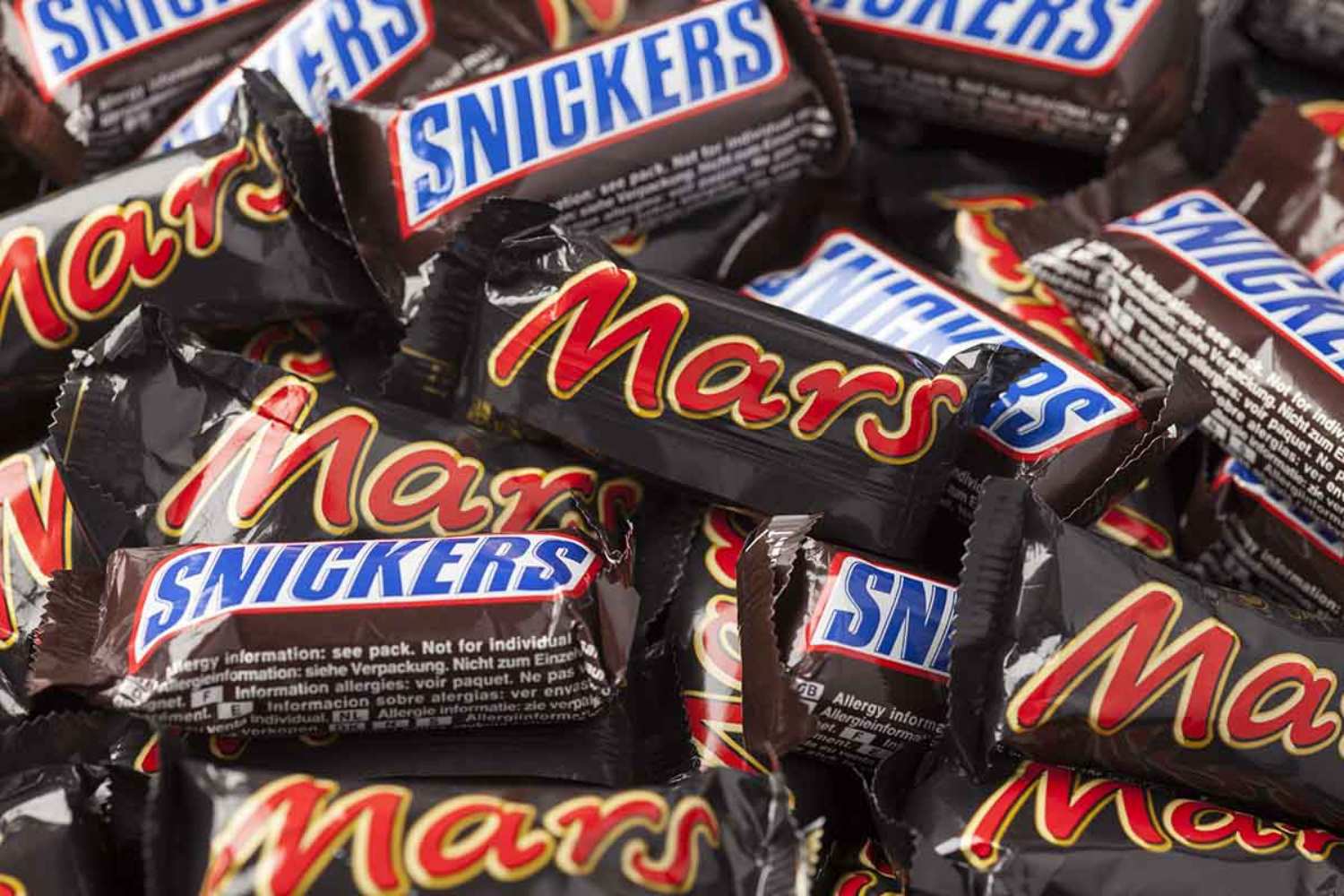
It’s official: Mars, the candy giant that makes M&M’s and Snickers, has completed the acquisition of Kellanova for a record $36 billion. The deal, announced in August 2024 and approved by the European Commission on December 8, 2025 after months of scrutiny, represents one of the largest mergers ever seen in the snacks sector.
The new Mars Snacking now brings together some of the most iconic brands on supermarket shelves worldwide: from Pringles chips to Kellogg’s cereals, from Pop-Tarts to Cheez-Its, up to the classics M&M’s, Snickers and Twix. But not only that, Whiskas and Pedigree pet food is now also part of the Mars empire.
With over 170,000 employees worldwide and a portfolio worth over $65 billion, the new entity positions itself as one of the most influential players in the global food industry.
The concerns of the European Commission
The road to Mars was uphill. In June, the European Commission launched an in-depth investigation, concerned that this concentration of market power could translate into price increases for consumers, but the outcome was ultimately positive.
On December 11, 2025, Mars officially announced the completion of the acquisition, underlining the strategic value of the operation. In the release, the company speaks of “a moment of transformation” and of a new Mars Snacking ready to “shape the future of snacking” and serve an ever-increasing number of consumers globally.
Andrew Clarke, global president of Mars Snacking, highlighted how the union between Mars and Kellanova brings together over a century of experience in food innovation, promising new opportunities for growth and investment also on the sustainability front. Clark stated:
We are now able to offer consumers more and more brands they love while continuing to advance our commitments to sustainability.
Words that sound familiar in the panorama of corporate mega-mergers. But the question that arises spontaneously is: will a giant of this size really be able to maintain high environmental standards?
What changes for us consumers
The concentration of such strong brands in the hands of a single group risks further strengthening Mars’ bargaining power towards distributors and retailers, with possible cascading effects on final prices.
It is no coincidence that the EU has launched a large-scale investigation: the snacks sector is already dominated by a few multinationals and any further merger of this caliber contributes to narrowing the space for smaller producers and truly sustainable alternatives.
For grocery shoppers, this merger could have mixed effects. On the one hand, greater innovation and availability of products; on the other, a lesser diversity of real choice, with more and more brands controlled by a single multinational. And, despite the reassurances of the European Commission, doubt remains about possible price increases in the medium to long term.
One thing is certain: the next time we reach for a pack of Pringles or a Snickers bar, we will be funding the same giant corporation.
