
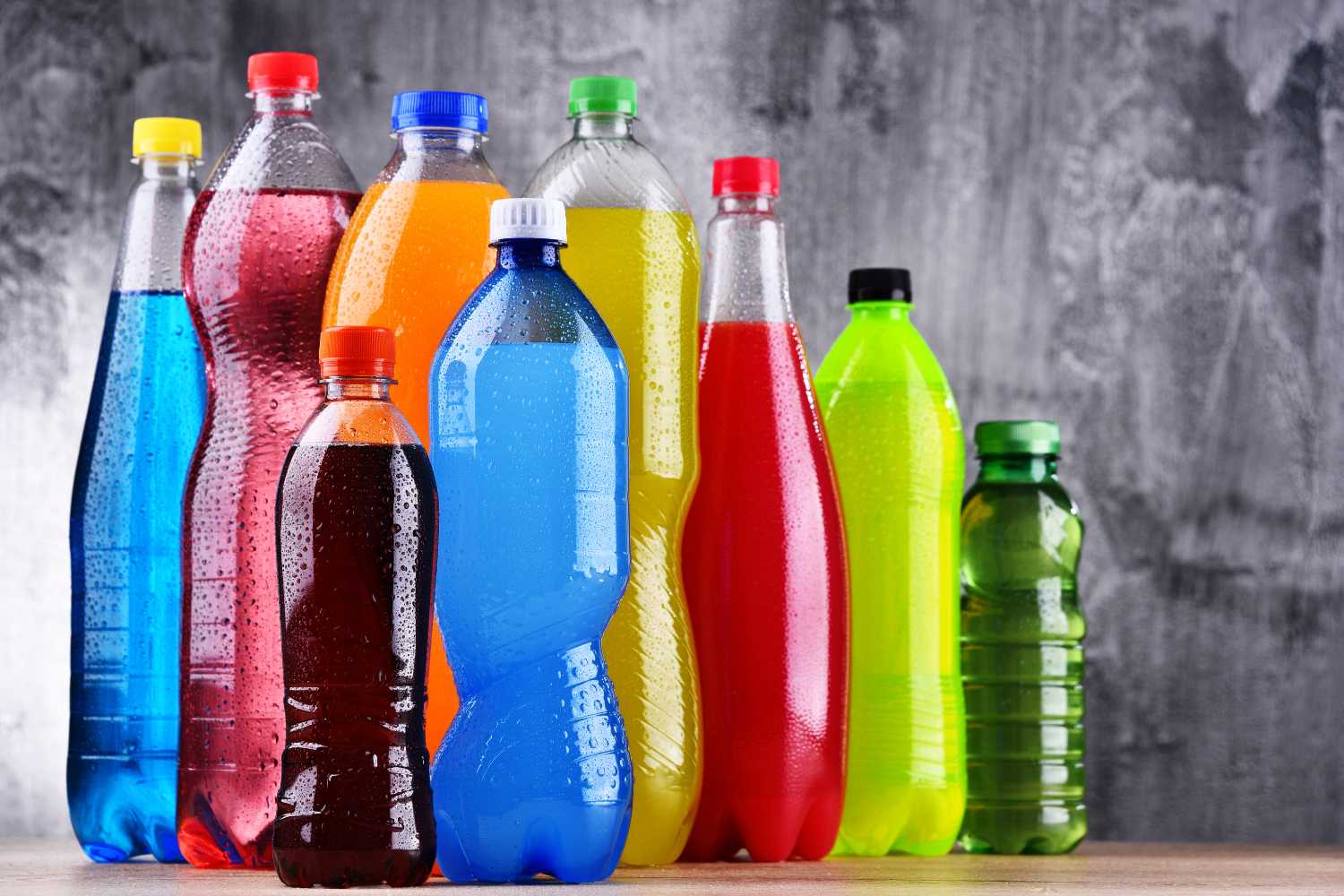
A glass of cold carbonated drink is an indispensable pleasure for many. The bubbles, the intense sweetness and that immediate sensation of freshness make it a very popular drink. But in addition to the ethical issue linked to vegan nutrition, there is another aspect that is often overlooked: drinking carbonated drinks frequently is bad for you, and limiting their consumption is a healthier choice for everyone, vegans and non-vegans.
Are carbonated drinks vegan?
From a strictly technical point of view, most carbonated drinks are considered vegan. The sweetness almost always comes from corn syrup or artificial sweeteners, both of which are plant-based. However, there are ingredients and manufacturing processes that may make them not fully compatible with a strict vegan diet, particularly when refined sugar with bone charcoal, or additives of animal origin are used.
Ingredients “at risk” for vegans
One of the most controversial elements is sugar. Beet sugar is always vegan, but cane sugar is often whitened with bone char, an animal byproduct. Only USDA certified organic sugar guarantees the absence of this process.
Gelatin is another problematic ingredient, derived from boiling animal tissue: it is not common in better-known brands, but can appear in less popular drinks to stabilize colorants. Honey may also be present, and is excluded from the vegan diet for ethical reasons linked to the exploitation of bees.
Some dyes, such as carmine, derive from insects (female cochineal insects) and must be clearly indicated on the label. Glycerin, used as an additive, can have plant or animal origin, so it is always best to check the list of ingredients.
Flavors and colourants: pay attention to the nuances
Natural flavors in drinks almost always derive from plants or mushrooms, especially in fruity flavours. Artificial flavors are produced in a laboratory and do not contain animal ingredients. Artificial dyes are also of petrochemical origin and therefore technically vegan, although some avoid them for environmental reasons.
Caramel coloring, obtained simply by heating sugar and water, is generally vegan and very popular, especially in dark-colored drinks.
Soda and health: sugar, calories and real problems
The ethical issue is important, but we must not overlook the health issue. Carbonated soft drinks almost always contain large amounts of sugar or sweeteners. Frequent consumption is associated with real problems: weight gain, tooth decay, glycemic imbalances and a higher risk of developing metabolic diseases such as type 2 diabetes.
Even “sugar-free” versions are not risk-free. Artificial sweeteners can alter taste perception and negatively influence metabolism and intestinal flora. Furthermore, the strong acidity of soft drinks can damage tooth enamel and irritate the stomach.
Better to reduce consumption
While many sodas can technically be considered vegan, their composition makes them anything but healthy. Refined sugars, chemical additives and colorings do not provide any nutritional benefit and, in the long run, can have negative consequences on your health.
The best solution is simple: reduce your habitual consumption. Drinking a soda every now and then isn’t a problem for most people, but doing so every day can become a harmful habit.
Those who want a refreshing drink can opt for simpler alternatives, such as sparkling water with natural juice or unsweetened cold infusions. This avoids both the problem of dubious ingredients and negative effects on the body.
Carbonated soft drinks are mostly vegan, but not always 100%. Some sugars and additives may have animal origin. Even more important, however, is to remember that these are industrial products rich in sugars and additives, to be consumed in moderation.
The truly intelligent choice is not just to check the label, but to limit the consumption of carbonated drinks in favor of simpler and healthier drinks.
