
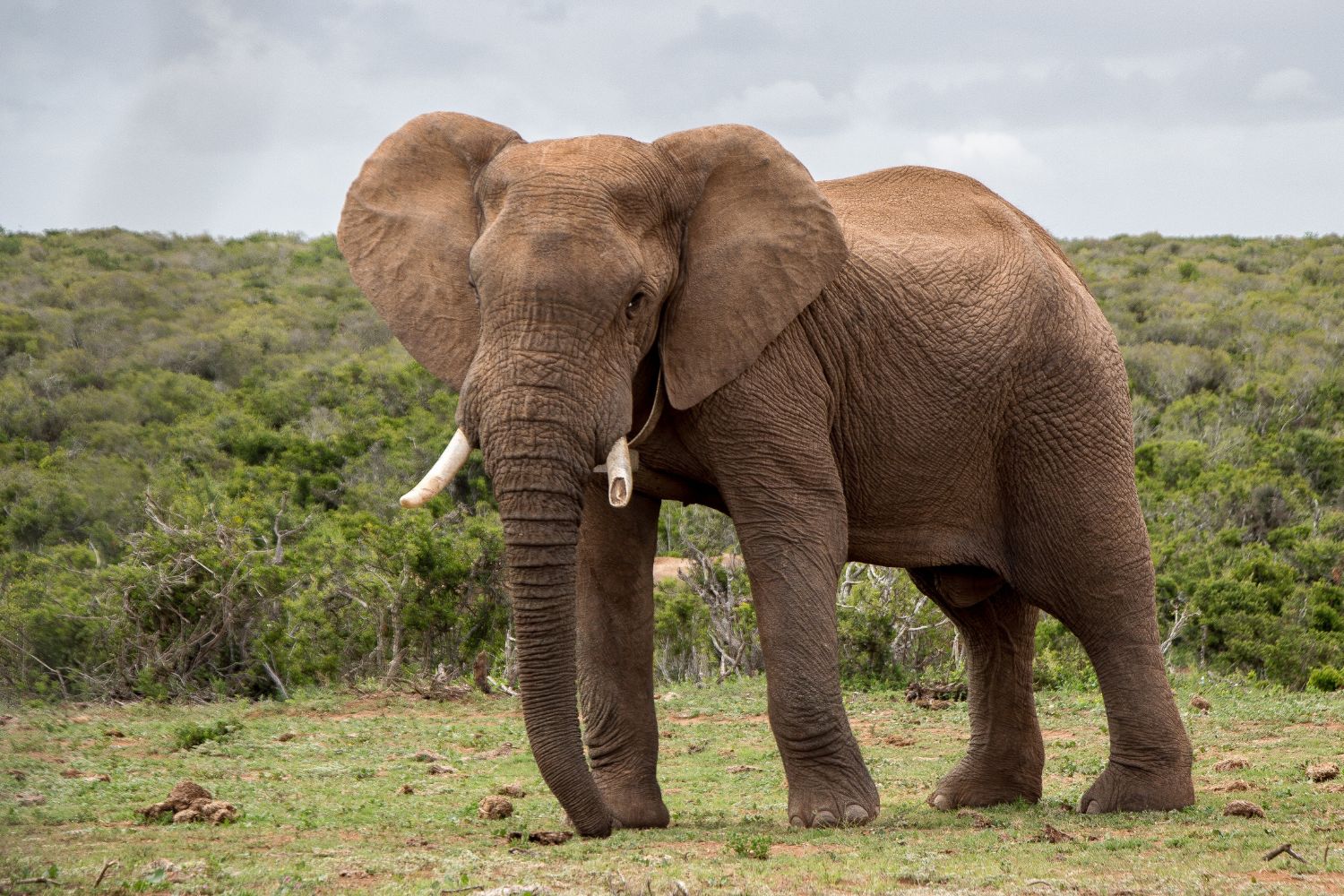
In Sri Lanka three men have been arrested by police on charges of setting fire to a wild elephant using lit torches in an attempt to drive it away from a village in the north of the country. The images of the attack, spread on social media, provoked a harsh reaction from public opinion, transforming the case into a symbol of the growing crisis in the relationship between humans and wild animals.
View this post on Instagram
The conditions of the elephant and the tragic epilogue
The elephant, an adult male, was found with very serious burns over most of his body and with a gunshot wound to a leg. According to the authorities, the animal had already been treated several times by veterinarians in the previous months, a sign of a situation of prolonged suffering. Despite desperate attempts to save it, the elephant died a few days after the attack, making the case even more dramatic and aggravating the criminal responsibilities of the suspects.
Investigations and arrests
The three men involved, aged between 42 and 50, have been arrested and remanded in custody while inquiries continue. The episode generated strong civil mobilization: an online petition calling for exemplary punishment and concrete measures to prevent future abuse collected hundreds of signatures in just a few hours. Animal rights associations speak of an act of extreme cruelty and ask for a strengthening of the protection of wild animals.
Sacred elephants, but increasingly in danger
In Sri Lanka, elephants are considered sacred animals, deeply linked to Buddhist culture and religious ceremonies. They are also a symbolic and tourist resource of the country. Yet, this sacredness coexists with an increasingly harsh reality: the conflict between humans and elephants is constantly increasing, especially in rural areas where the animals destroy crops and infrastructure.
A conflict that kills men and animals
Hundreds of elephants die every year, often due to guns, booby traps or train accidents. The human toll is also heavy, with dozens of victims caused by animal attacks. Although the law provides for very severe penalties, up to life imprisonment, experts underline that repression alone is not enough. Coexistence strategies, ecological corridors and support for local communities are needed to prevent fear and anger from transforming once again into irreversible cruelty.
You might also be interested in:
