
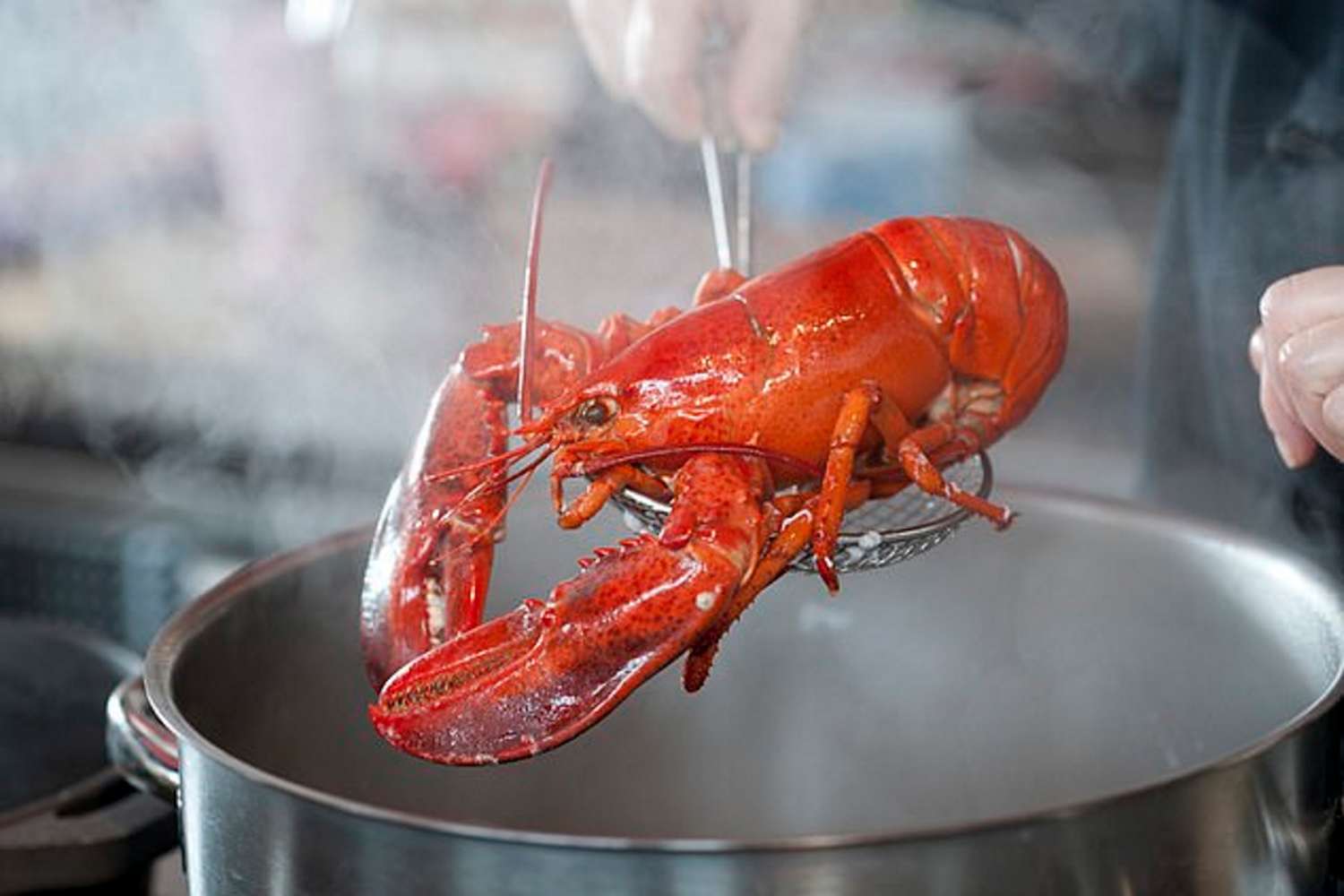
A significant change in animal protection policies is coming to the UK: boiling living, conscious lobsters and crabs will be banned. The measure is part of a new and long-awaited government strategy that aims to redefine animal welfare standards, officially recognizing that these animals also experience pain and suffering. According to the executive, the practice of boiling alive can no longer be considered acceptable and more humane alternatives will be promoted, such as electric stunning or controlled cooling before cooking.
The ban is part of a process started already in 2022, when a law established that decapod crustaceans and cephalopod molluscs are sentient beings. This principle has paved the way for a broader review of the rules governing the food supply chain and slaughter practices. Countries such as Switzerland, Norway and New Zealand have already adopted similar restrictions, becoming a reference for those calling for higher standards in the UK too.
The new strategy on animal welfare
The plan announced by the Labor government is not limited to shellfish. Among the central points are the abolition of cages for laying hens, the elimination of farrowing cages for pigs, the fight against intensive puppy farming and new rules for a more ethical slaughter of farmed fish. A public consultation is also planned to ban electric dog collars, deemed potentially harmful to the behavior and health of pets.
The strategy also includes interventions on wildlife, such as a ban on hare hunting during the breeding season and an end to trail hunting, a practice accused of masking actual fox hunting. Animal rights associations welcome these measures, considered a step forward against consolidated abuses.
However, there is no shortage of political criticism: some opposition figures speak of excessive regulation and an alleged attack on rural tradition. Despite the controversy, polls indicate broad public support for stricter animal protection rules. For its part, the government claims a balanced approach with the aim of modernizing laws considered outdated and reflecting the sensitivity of a society increasingly attentive to the fate of animals, at home, on farms and in nature.
You might also be interested in:
