
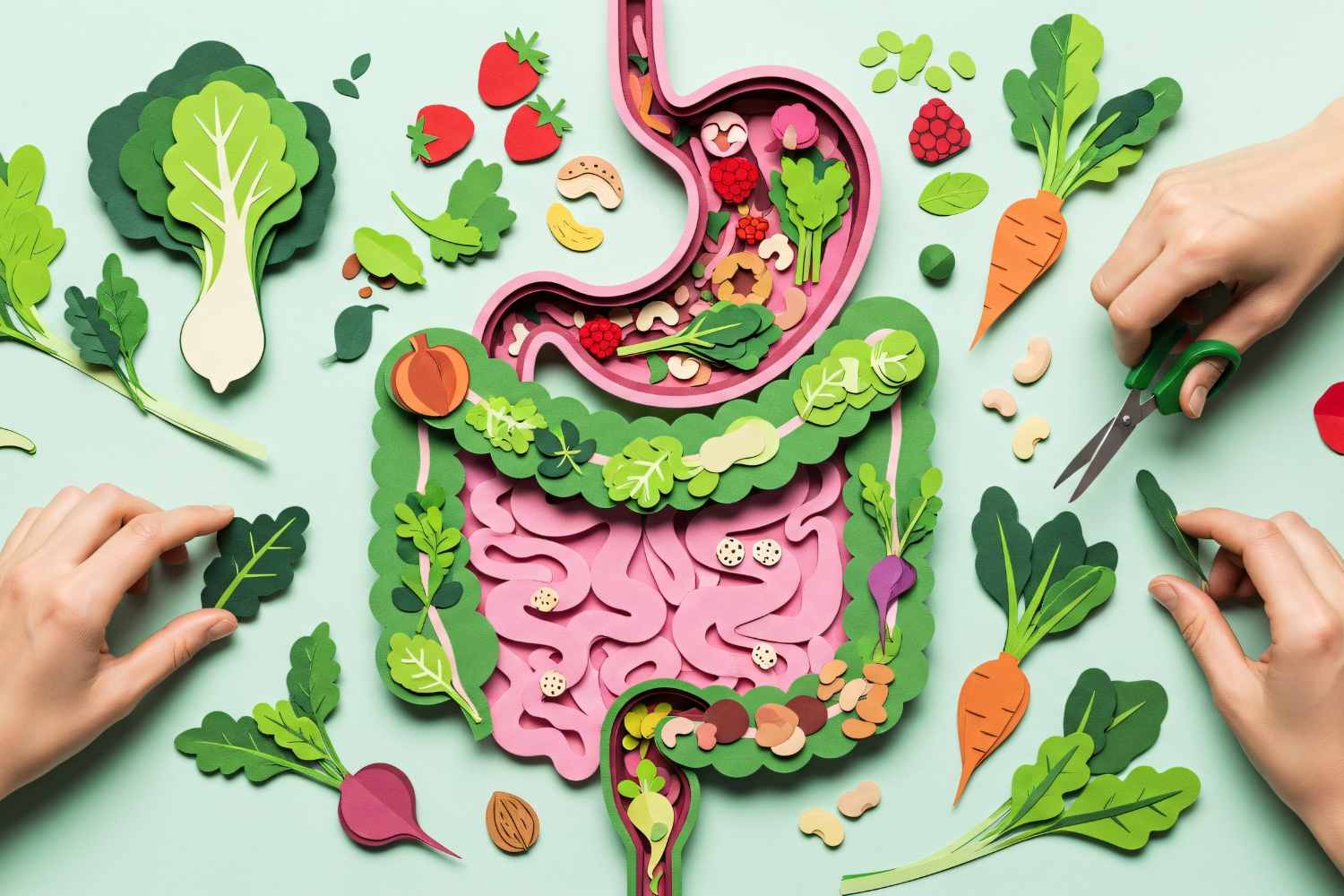
Let he who is without sin cast the first stone. It happens to everyone that we get up from the table with the feeling of having overdone it, due to an excessively abundant meal that left us weighed down: digestion proceeds slowly, feelings of guilt devour us – they will have to eat too – and the thoughts already run in the evening: what to eat so as not to compromise our sleep? The answer is not as obvious as it seems. Dinner after a heavy lunch requires precise strategies to promote quality rest.
The link between digestion and sleep quality
Our body does not stop working when we fall asleep and digestion continues even during the night, although it slows down significantly. This situation creates a sort of conflict, with the stomach still busy processing food and the body struggling to enter the deep phases of sleep. Research shows that eating within three hours of bedtime increases the risk of waking up during the night and reduces the overall quality of sleep.
Body temperature also plays an important role, because during sleep the body cools down naturally, but excessively large meals cause a temperature increase which conflicts with the aforementioned physiological process. Those who eat heavy dinners often experience problems such as gastroesophageal reflux, heartburn and that unpleasant feeling of heaviness that prevents you from finding a comfortable position in bed.
Light proteins and tryptophan: the allies of rest
In the evening, after an excessive lunch, the best choice is lean proteins. Fish such as cod or sole, chicken breast, turkey or plant-based alternatives such as tofu are excellent options, all foods that contain tryptophan, an essential amino acid that the body uses to produce serotonin and melatonin, the two hormones essential for regulating the sleep-wake cycle.
A study published in PMC demonstrated that tryptophan in the diet is converted to melatonin through a metabolic pathway that requires B vitamins and magnesium as cofactors. The melatonin produced by the body during the night reaches its peak during the hours of darkness, promoting falling asleep and maintaining the depth of sleep.
In this sense, eggs represent a particularly effective choice: hard-boiled or soft-boiled, they provide proteins of high biological value and are rich in tryptophan. Their digestion is rapid and does not overload the stomach, allowing the body to focus on rest, not digestion.
Cooked vegetables and whole grain carbohydrates in moderate quantities
Cooked vegetables such as courgettes, spinach, carrots and fennel should form the base of your dinner. Rich in water and fibre, they facilitate intestinal transit without weighing you down. Fennel, in particular, helps reduce the feeling of bloating, while artichoke supports digestive and liver functions.
As for complex carbohydrates, they should not be eliminated completely, but dosed carefully. A small portion of brown rice, quinoa or spelled provides gradual release energy, stabilizes blood sugar levels and prevents those glycemic spikes that can disturb sleep. The important thing is to keep the quantities contained: carbohydrates should make up a maximum of 40-50% of the calories in dinner.
What to absolutely avoid
Some foods deserve to be excluded from the evening dinner, especially after a large lunch. Fried foods, high in saturated fat, dramatically slow digestion and increase the risk of reflux. Spicy foods stimulate the production of gastric acid and can cause heartburn during the night.
Chocolate, although it contains tryptophan, also contains caffeine and theobromine, stimulants that interfere with falling asleep. Alcohol deserves a separate discussion: although it initially favors drowsiness, it reduces the REM phase, the most restorative phase of sleep, causing frequent awakenings in the second part of the night.
Timing makes the difference
The general rule is to eat dinner at least two or three hours before going to bed. This interval allows the body to complete much of the digestive process before resting. If you eat dinner at 7.30pm and go to bed at 10.30pm, your body will have the time it needs to handle food without compromising sleep.
Those who dine late for work needs should opt for even smaller portions and favor easily digestible foods. A vegetable soup with a small portion of lean protein is an effective solution. The alternative is a natural yogurt with a fruit: light, digestible and rich in probiotics that support intestinal health.
Practical strategies for post-binge dinner
After a heavy lunch, dinner should make up about 20-25% of your daily calorie intake. Having said that, is there anything else we can do to improve the situation? The answer is positive:
A balanced approach to nighttime well-being
Eating a light dinner after a large lunch should not be seen as a penance, but an opportunity to rebalance the day’s diet. Choosing light proteins rich in tryptophan, cooked vegetables and small portions of whole carbohydrates allows you to eat adequately without compromising rest.
The body needs continuity: eating regularly at the same times, without skipping meals or concentrating all the calories in the evening, helps synchronize the circadian rhythm with the digestive processes. Those experiencing persistent digestive difficulties or sleep problems should consult a nutritionist for a personalized plan.
The quality of sleep depends on many factors, with evening nutrition playing a decisive role, so remember to respect digestion times, choose the most appropriate foods and adopt the right post-dinner behaviors that we have mentioned, so as to turn the night into a moment of true physical and mental recovery.
