
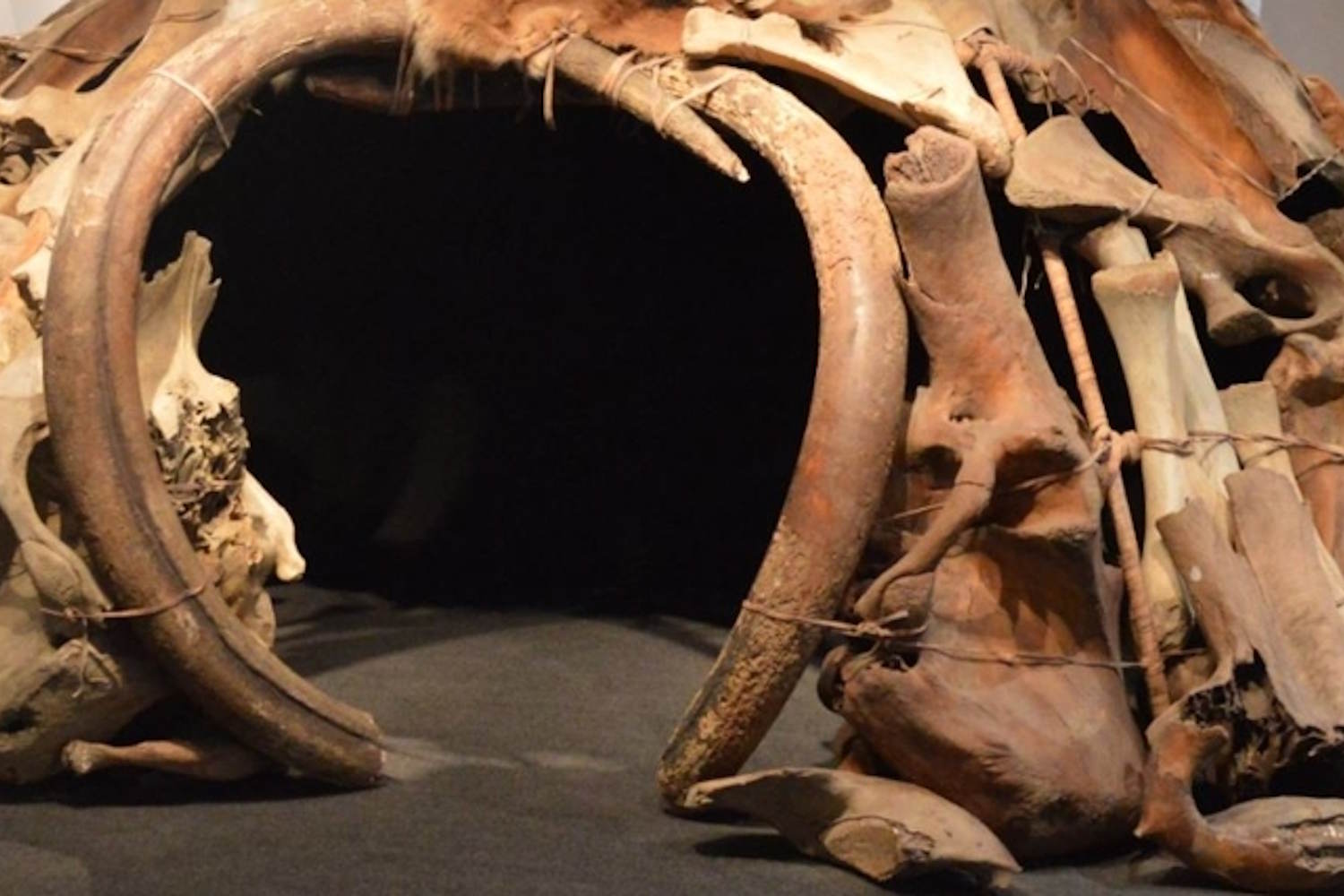
Our ancestors who lived in present-day Ukraine 18 thousand years ago they built shelters with mammoth bones. And they did it to survive the peak of the Ice Age. The discovery is the result of research led byLeiden University (Netherlands).
The research was conducted at the Paleolithic site of Mezhyrichwhere archaeologists had discovered structures made almost entirely of mammoth boneswhich have long sparked a debate about their function. Scientists have long wondered, in particular, whether they were dwellings, warehouses or ritual monuments.
The new research instead offers new insights by applying advanced radiocarbon dating techniques on the remains of small mammals found in the same cultural strata. And the results turned out to be surprising.
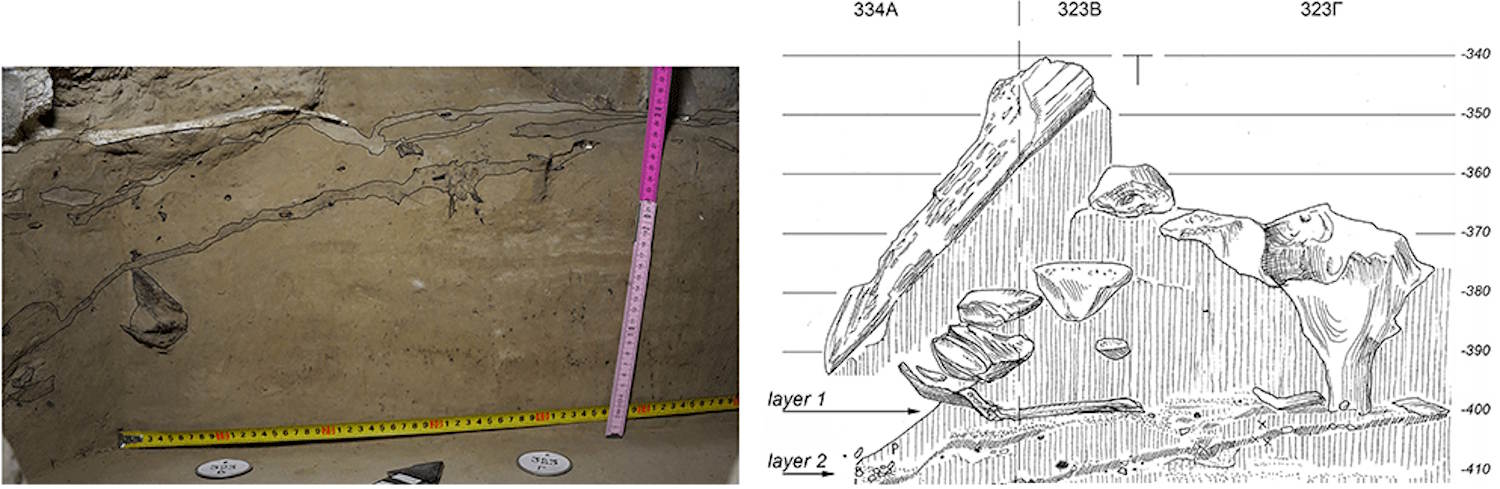
The largest structure of Mezhyrich in fact it dates back to 18,248-17,764 years agoduring the harshest phase of the last ice ageand the analyzes showed that the duration of their human occupation was short, perhaps only one or a few visits over the centuries: this suggests that these shelters built with bones were practical solutions for survival rather than permanent settlements.
In addition to confirming the ingenuity of our ancestors to use mammoth bones as building material, this discovery somewhat reshapes our understanding of resilience and human adaptationdemonstrating how communities thrived in extreme environments thanks to transformation of gigantic animal remains into protective architecture.
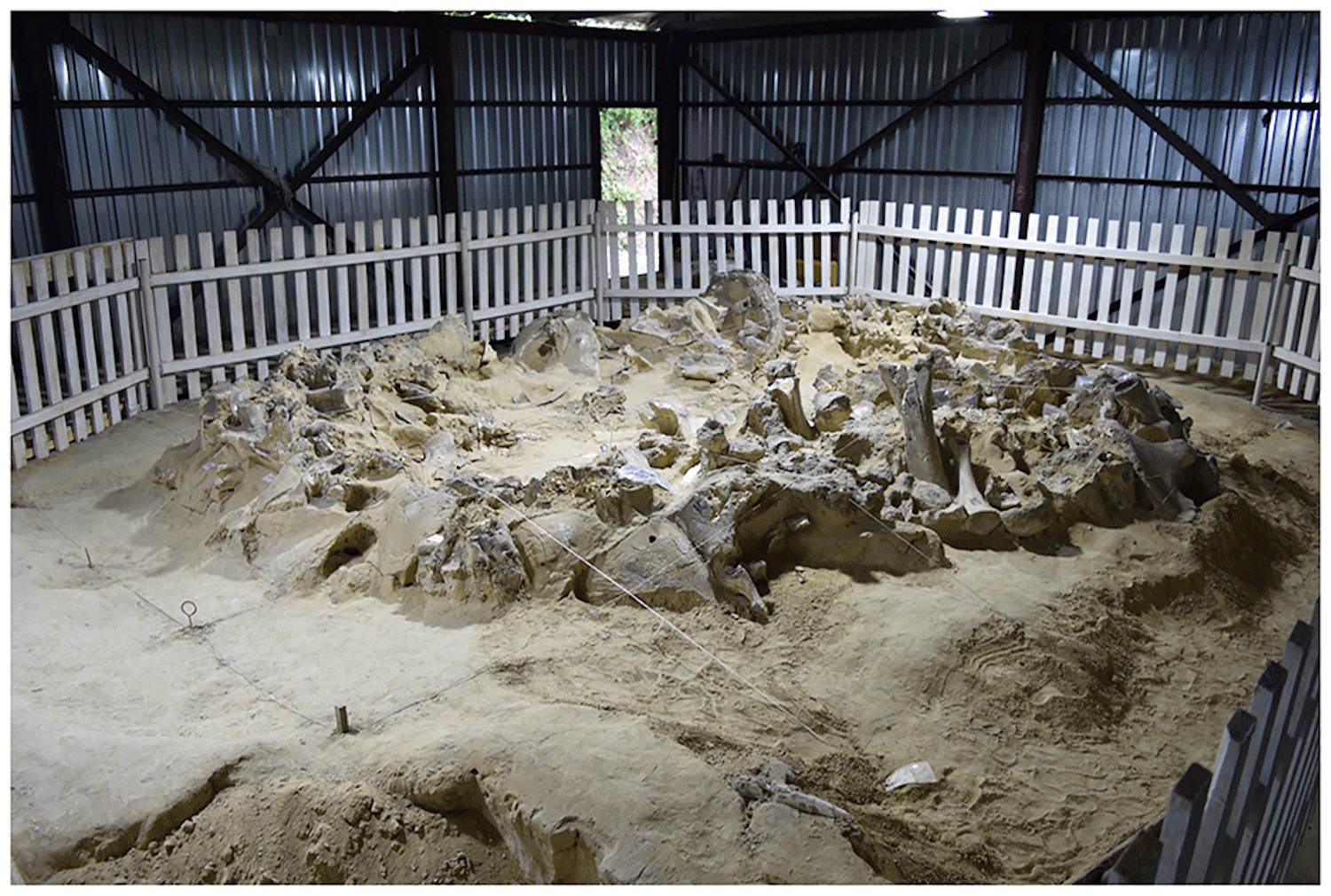
As dating methods become more precise, sites like Mezhyrich they continue to question ours hypotheses about prehistoric life. Far from being static, these societies are in fact increasingly dynamic, enterprising and deeply linked to their environment.
The work was published on Open Research Europe.
Sources: Leiden University / Open Research Europe
