
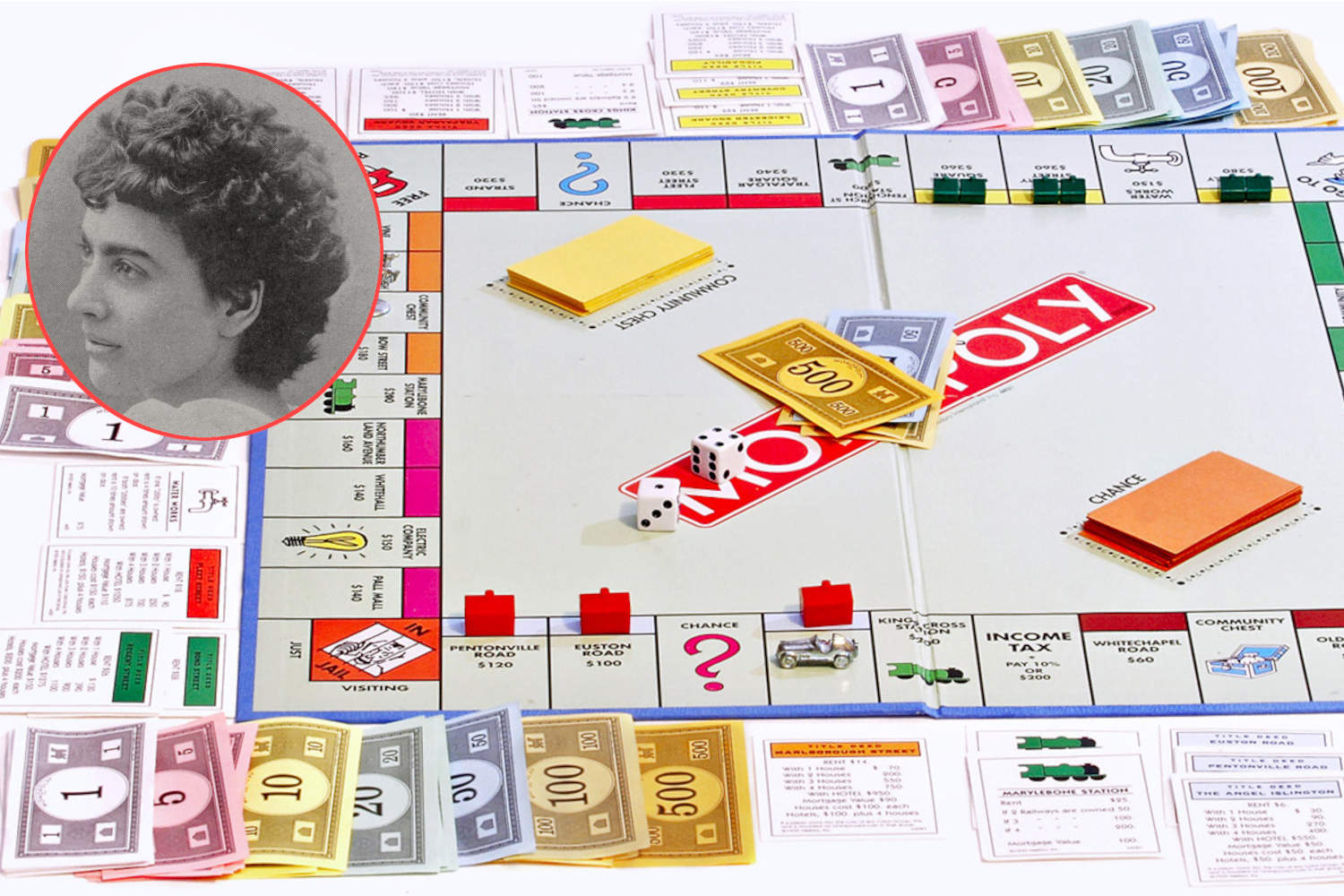
The famous board game Monopoly hides a little-known story: its creator was a woman, Elizabeth Magie, known as Lizzy, who patented The Landlord’s Game. The original goal of the game was not entertainment as an end in itself, but a real social message.
Lizzy, inspired by the economist Henry George, wanted to show the injustices generated by monopolies and the concentration of wealth. George advocated the introduction of the so-called “single tax”, a form of land tax that would redistribute wealth fairly, and the game served to illustrate these principles.
The Landlord’s Game offered two game modes: a cooperative, called Prosperityin which players shared riches and losses, and a competitive one, called Monopolistwhere the goal was to bankrupt your opponents. The idea was clear: to teach, through games, how monopolies could create social inequalities and economic injustices.
Lizzy patented the game and began to spread it among university students and intellectuals, receiving attention for her educational and critical approach towards the large corporations of the time such as Rockefeller, Carnegie and Vanderbilt.
The transformation into Monopoly
In the 1920s and 1930s, the game spread more widely, eventually reaching Atlantic City. In the context of the Great Depression of 1929, an out-of-work salesman, Charles Darrow, saw a version of the game, modified it and renamed it Monopoly.
Darrow transformed Lizzy’s original message: the goal was no longer a social reflection, but to accumulate wealth and property, rewarding those who managed to create a true monopoly. Parker Brothers, the game’s publisher, purchased the rights to Lizzy for just $500, obscuring its authorship and original educational intent.
The rediscovery of Elizabeth Magie
Only years later, in the 1970s, economics professor Ralph Anspach rediscovered the figure of Lizzy while developing Anti-Monopoly. The affair brought to light the historical importance of Magie, who never received adequate recognition or compensation during his lifetime. Monopoly became a global phenomenon, with over 500 million copies sold worldwide and recognized in the Guinness Book of Records as the most popular board game ever.
Elizabeth Magie died in 1948 without seeing the worldwide success of her play. However, its creativity and socially critical message remain a key part of the game’s history, reminding us how fun can hide profound lessons about society and the economy.
You might also be interested in:
