
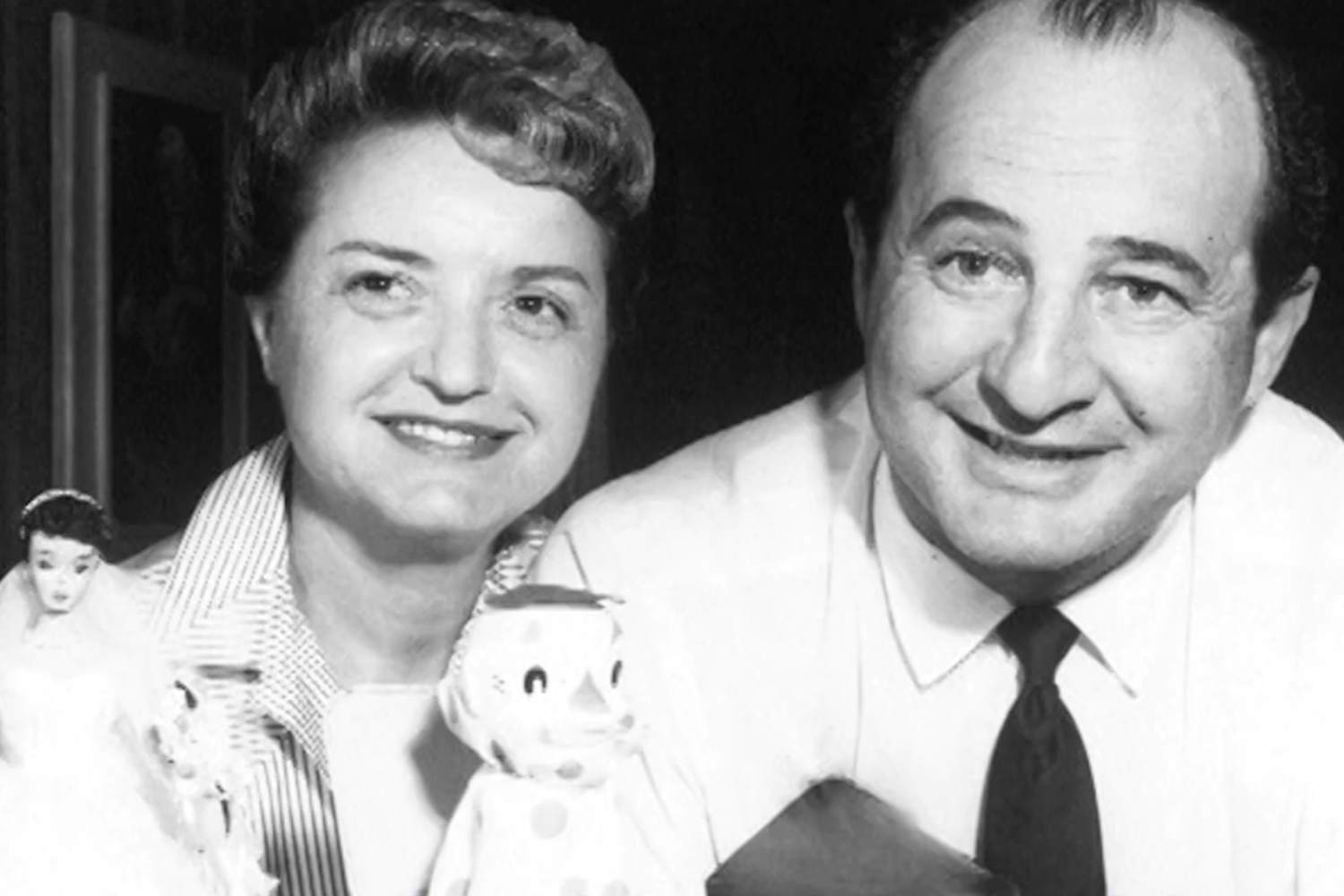
Behind some of the most iconic toys in history lies the vision of an extraordinary couple. Ruth and Elliot Handler, husband and wife, founded Mattel in 1945, transforming a small artisan business into one of the world’s largest entertainment empires. Their story is made of brilliant intuitions, entrepreneurial courage and a profound ability to read children’s desires, long before they became a structured target market.
Ruth Handler and the Barbie revolution
In 1959, Ruth Handler had an idea that would change the world of toys forever: Barbie. Inspired by the paper dolls her daughter Barbara played with, Ruth imagined a doll that represented an adult woman, capable of embodying dreams, ambitions and different roles. A clear break with the baby dolls of the time. Barbie was not just a game, but a tool of imagination and projection, which allowed girls to imagine their future.
Elliot Handler and the birth of Hot Wheels
A few years later, in 1968, it was Elliot Handler who left his mark with another revolutionary intuition: Hot Wheels. His metal cars, fast, colorful and customizable, immediately won over children thanks to a design inspired by the world of real sports cars. Hot Wheels introduced tracks, stunts, and a dynamic gameplay concept that turned toy cars into a global phenomenon.
Marketing, innovation and globalization
Mattel’s success was not only due to its products, but also to pioneering strategies. Ruth Handler understood the power of television before many others, choosing to speak directly to children rather than to parents. Furthermore, Barbie was one of the first Western products to be made in Asia, anticipating the birth of global value chains. This vision helped make Mattel a global brand.
Falls, controversies and rebirth
In the 1970s, Mattel was engulfed in legal disputes and criticism related to its aggressive marketing and corporate management. Ruth and Elliot left the company, but Ruth’s story didn’t end there. After a mastectomy, she transformed a painful personal experience into a new entrepreneurial project, founding NearlyMe, a line of breast implants that also established her as an activist for women. An ending that tells of the strength of a woman capable of reinventing herself, once again.
You might also be interested in:
