
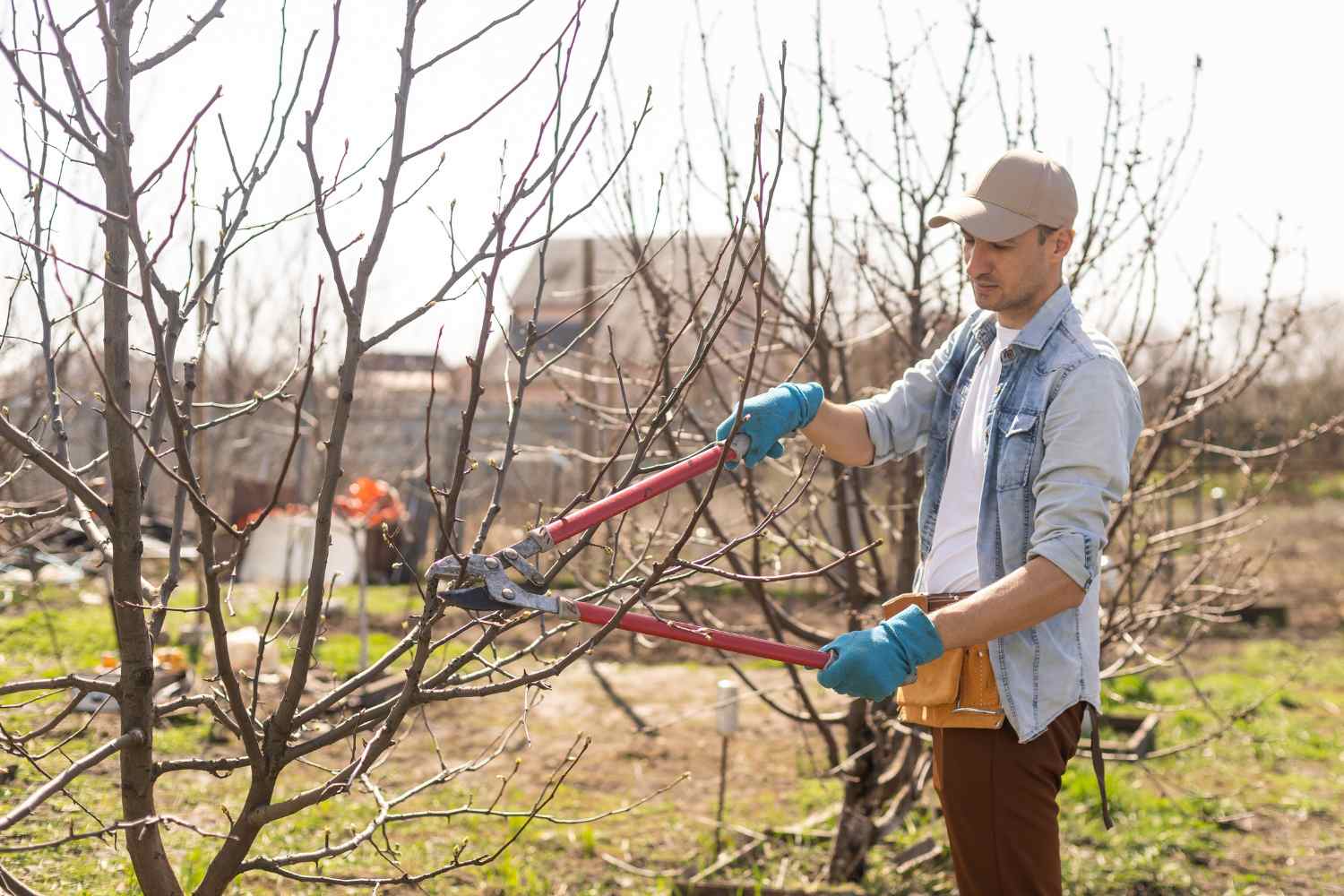
January is the heart of the dormant season and, like it or not, it is one of the most important months for gardeners. The plants are still, the metabolism slowed down and this minimizes the stress caused by cuts. Furthermore, without leaves, the structure is clearly visible: dry, crossed or damaged branches immediately catch the eye. Pruning now means preventing problems, not chasing them in the spring.
Winter pruning serves to direct the plant’s energy, improve shape and dramatically reduce the risk of fungal diseases. Postponing or cutting randomly, however, is the best way to end up with weak and messy plants in the following months.
Fruit trees
January is the right month to intervene on apple and pear trees. The plants are dormant and tolerate cuts well, as long as they are done wisely. The goal is to create an airy, often goblet-shaped canopy by eliminating dry, weak or inward-growing branches. More light and air now means better fruit later.
It is also the right time for currants and gooseberries, which must be kept tidy and productive by eliminating old wood. On the contrary, stone fruit trees – such as cherry, plum, plum and apricot trees – should be left alone. Pruning them now seriously exposes them to the risk of fungal infections, particularly the dreaded “silver leaf disease”.
Climbing plants
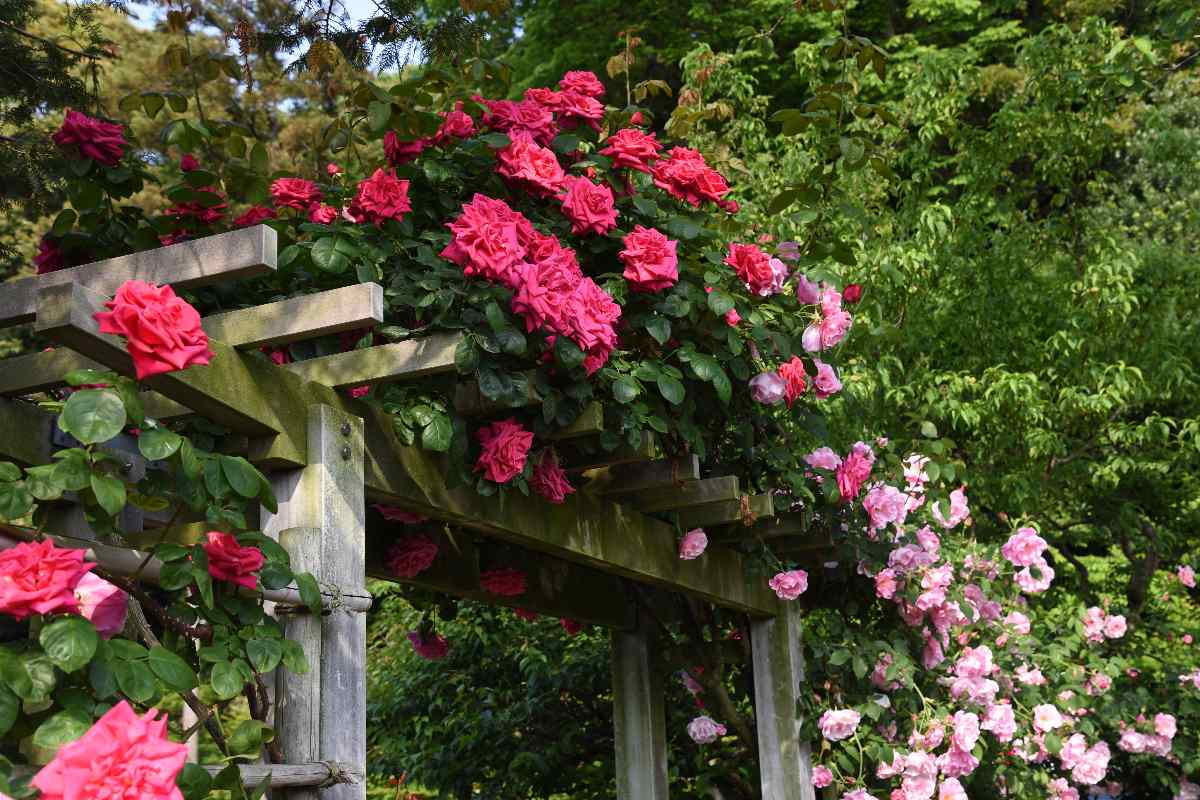
Creepers are among the plants that benefit most from January pruning, especially if they produced long, thin shoots in summer. The wisteria must be contained without mercy: the new tendrils must be shortened, leaving only two or three buds, and the structure must be well fixed to walls or supports to avoid damage from wind and winter storms.
Ornamental vines and climbing roses also require attention. The shoots that have already flowered should be shortened and the new ones tied correctly. This is not just about aesthetics, but about safety: out of control branches can become a serious problem in bad weather.
Shrubs
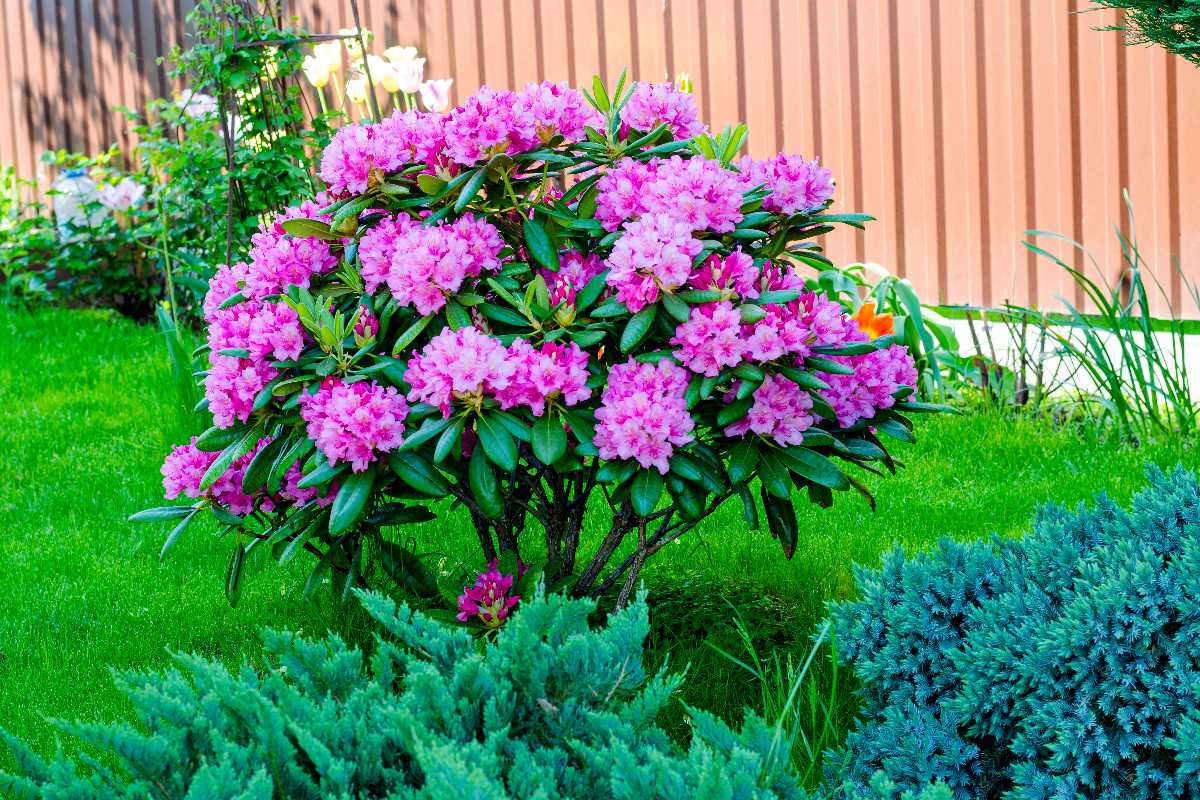
January is also a good month for some shrubs, but without exaggerating. The rhododendron, for example, can be pruned if it appears bare or messy, but choose a mild day. Branches that are too long should be shortened with clean, oblique cuts, always above a bud.
After pruning, shrubs treated in winter must be protected. A simple horticultural fleece can make all the difference against sudden frosts and snow, especially in colder areas.
Hedges and ornamental plants
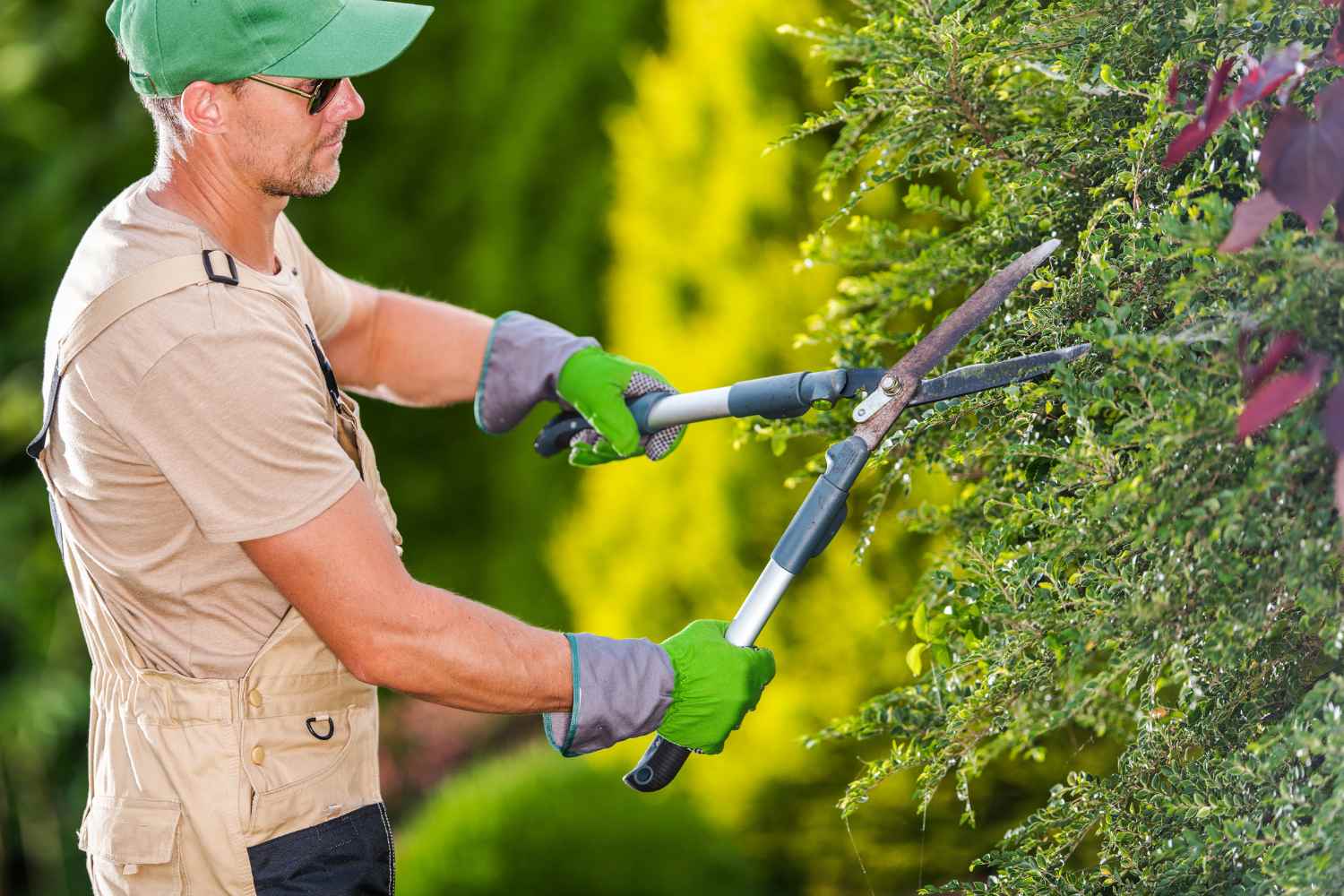
Evergreen hedges can be trimmed a little if they have lost shape during the autumn, but January is not the month for drastic pruning. Exposing plants too much now means increasing the risk of frost damage. Even ornamental trees such as maples, birches and magnolias can be cleaned of dry or damaged branches, always with a light hand.
What NOT to prune in January (and why it’s better to know)
Not all plants like winter pruning. Early flowering clematis, if cut now, simply will not bloom. Hydrangeas and buddleia should be postponed until late winter or early spring, unless they have become so large as to risk structural damage: in that case they can be reduced gradually, a third at a time.
Even citrus fruits should not be touched in January: the cold makes them extremely vulnerable and a wrong cut can seriously compromise them.
Practical rules to avoid doing damage
January pruning only works if done well. The tools must be sharp and clean, the cuts clean and never during days with temperatures below zero. Healthy branches should not be eliminated “because they are annoying”, and on large cuts it is always better to apply a healing putty. Last point, but not least: gloves and protectors are not optional.
Preparing the garden now means saving problems later
Pruning in January is not4 a winter filling job, but a direct investment in the health of the garden. Knowing what to cut, what to postpone and what to leave alone makes the difference between strong plants and problematic plants. Choose a frost-free day, use the right tools and intervene wisely: in spring the garden will present the bill, positive or negative.
