
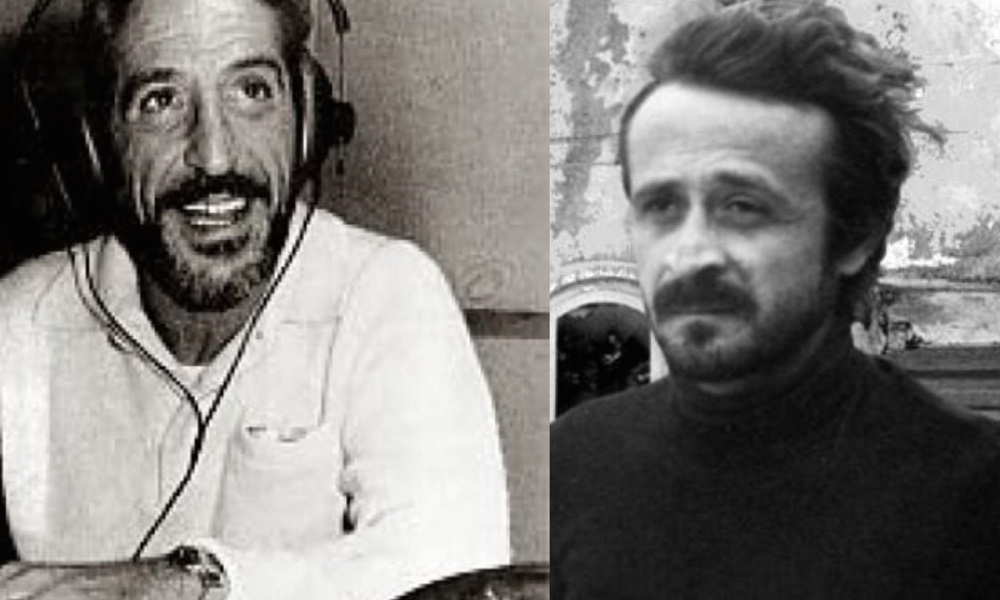
On January 5, 73 years ago, Peppino Impastato was born in Cinisi, murdered at just 30 years old with a TNT charge placed under the body lying on the railway tracks. A mafia-related crime, which occurred during the election campaign. Impastato had run on the Proletarian Democracy list in the municipal elections, after having spent a lifetime trying to fight the mafia, to which his father and other relatives were linked.
On her birthday, every year various associations including Casa memoria Felicia e Peppino Impastato and Radio 100 Passi organize events in her memory.
A couple of years ago on January 5th in Cinisi, at the former Casa Badalamenti, a book was also presented that tells the life of the courageous young Sicilian.
The figure of Peppino Impastato is certainly much more complex, rich and articulated than the cinematic icon that has often overlapped with reality. – explain the activists of Casa Memoria Felicia and Peppino Impastato, who organized the presentation of the work – In this book thirty-nine testimonies are collected which concern the entire span of Peppino’s life up until his killing at the hands of the mafia. From these stories emerges the figure of a leader who did not want to be such, a leader in spite of himself but with an extraordinary ability to gather around him the best youth of his country. A collective story, therefore, which outlines the contours of the figure of Peppino beyond the stereotype of the solitary hero.
Together with Peppino, today another example of courage and intellectual honesty is also remembered, killed on 5 January 1984, again at the hands of the mafia. This is Giuseppe Fava, writer, journalist, screenwriter and founder of I Siciliani, the second anti-mafia newspaper in Sicily.
The story of Pippo Fava
Pippo Fava (Giuseppe Fava) was born in Palazzolo Acreide in 1925. Journalist, writer and playwright, in the Seventies and Eighties he directed the Giornale del Sud and then founded the magazine I Siciliani. He makes a clear choice: to talk without filters about the mafia power in Sicily, its business, the collusions with politics and business, the names and surnames.
His words are direct, often uncomfortable even for the official anti-mafia, which he considers timid and hypocritical. He repeats a phrase that becomes a manifesto: “A journalist is either a watchdog or a servant.” It does not retreat despite threats, isolation and economic difficulties.
He openly denounces the “four horsemen of the mafia apocalypse” and the system that protects Cosa Nostra. It doesn’t retreat, it doesn’t negotiate, it doesn’t sweeten. On 5 January 1984 he was murdered in Catania with five gunshots. His death marks a watershed: Fava becomes a symbol of journalism that is scary because it tells the truth. His students will continue the work, demonstrating that silence is not the only option.
