
Once the Christmas banquets are over, many Italian families find themselves having to manage the abundant quantities of food left over. Although reusing leftover dishes represents a good practice against food waste, it is necessary to pay attention to some fundamental hygiene rules.
The Istituto Superiore di Sanità launches the alert: preserving and consuming leftovers requires specific precautions to protect health. The recommendations come from the SAC project, conducted under the scientific supervision of Antonella Maugliani, which aims to observe the perception of food safety in the digital world and provide citizens with tools to make more informed food choices.
The ten golden rules for leftovers
Purchase planning
Organizing shopping by carefully considering the number of guests allows you to limit food surpluses.
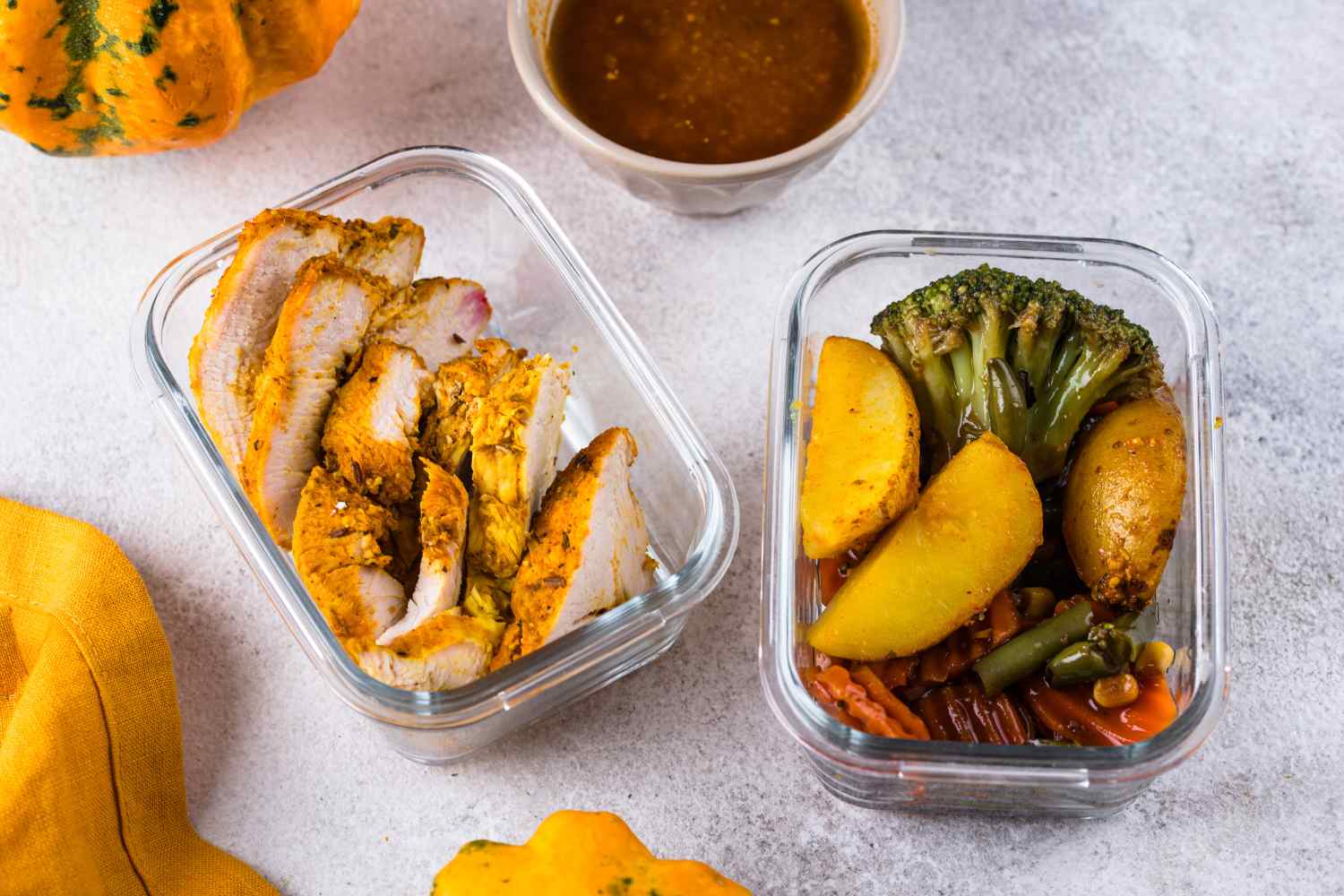
Appropriate containers
Store leftover food in sanitized and airtight containers, avoiding keeping it in cooking pans.
Targeted heating
When using the same leftover at different times, heat only the quantity to be consumed immediately, avoiding repeated thermal cycles which favor bacterial proliferation.
Timely refrigeration
Place food in the refrigerator or freezer within two hours of preparation, as prolonged storage at room temperature accelerates spoilage.
Maximum storage time
Cooked foods should not stay in the refrigerator longer than 2-3 days. Place them on the upper shelves, keeping them separate from uncooked food.
Temperature control
Ensure constant refrigeration for all preparations, especially for the more delicate ones such as creamy dressings and gravies.
Be careful with delicate preparations
Some dishes, like Russian salad, require extra caution. Limit repeated movements from storage to table.
Separation of preparations
Store each dish in a separate container to prevent mutual contamination and keep the organoleptic characteristics intact.
Proper freezing
Use only containers suitable for the freezer and divide the preparations into individual portions.
Status check
Do not consume foods that show evidence of alteration: mold formation, anomalous odors, color variations or changes in texture.
