
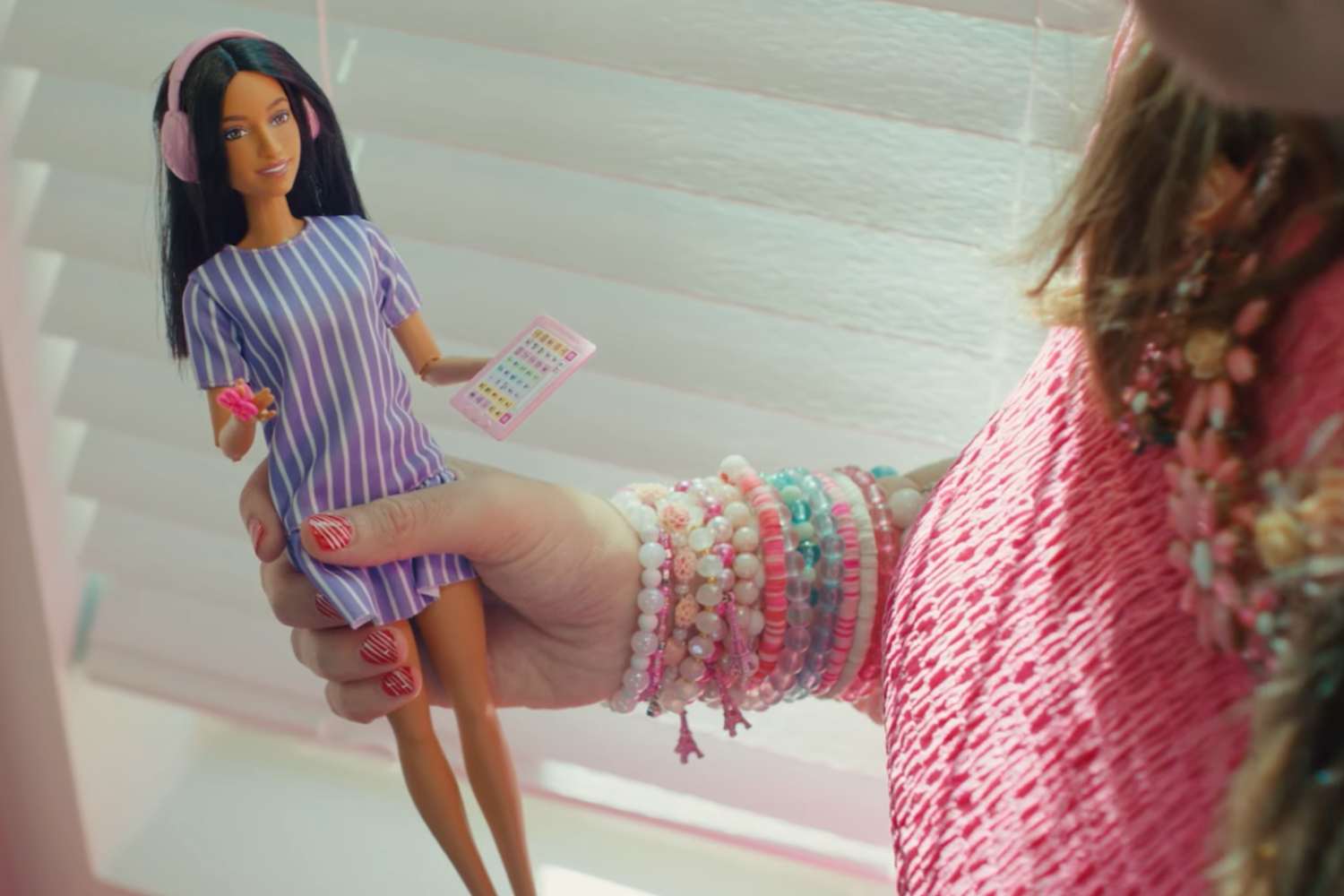
With the launch of the first autistic Barbie, Mattel takes another step in the direction of inclusion. The doll enters the Fashionistas line, the collection that in recent years has transformed the icon into a mosaic of different faces, bodies and experiences. The company’s declared objective is to allow more children to recognize themselves in the toys they grow up with, offering a representation that goes beyond stereotypes. In this case the focus is neurodivergence, an area that is often little talked about in the world of toys but central to the lives of millions of families.
A project born from dialogue with the community
The new doll is not the result of a random aesthetic choice. The project was developed over 18 months together with ASAN, the Autistic Self Advocacy Network, an organization led by autistic people. This involvement has allowed us to build a model that does not speak “instead of”, but “with” the autistic community. Mattel underlined how every phase, from design to accessories, has been validated to offer a respectful and credible representation.
The details: from the look to the clothing
From a visual and functional point of view, Barbie integrates elements that recall some sensory experiences typical of many autistic people. The slightly off-centered gaze alludes to the possible difficulty in maintaining direct eye contact, while the flexible joints of the elbows and wrists allow the reproduction of repetitive movements, often used as a form of self-regulation. The package also contains tools related to stress management and communication: a fidget spinner, noise-cancelling headphones and a tablet that refers to augmentative and alternative communication systems.
Even clothing follows a sensory-friendly logic. The dress is loose and light to reduce contact between fabric and skin, while the shoes with flat soles favor stability and comfort. Details that transform the doll into an object that is not limited to “representing”, but suggests functionality and attention to daily needs.
A cultural signal beyond the toy
For Mattel this Barbie is part of a broader strategy of representation. After models with physical disabilities, medical conditions and different body characteristics, the choice to address autism opens a deeper reflection on how diversity is normalized from childhood. The company accompanied the launch with collaborations and donations to pediatric facilities, reinforcing the idea that the game can also become a tool for social awareness.
You might also be interested in:
