
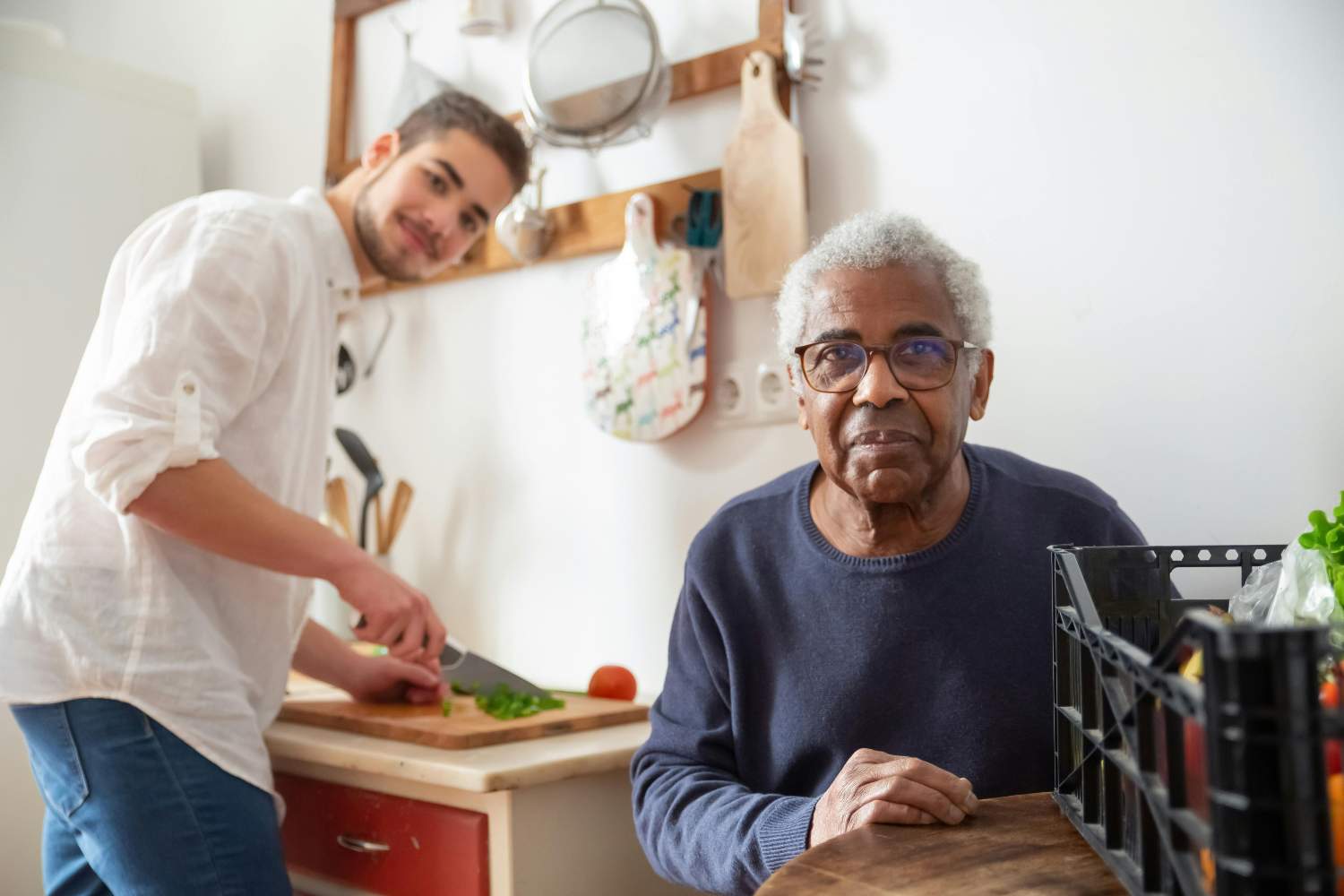
In Brandenburg, a new model of community care is taking shape that focuses on solidarity between neighbors. From 24 December 2025, a reform came into force that officially recognizes Nachbarschaftshilfe, “neighborhood help”, as a support tool for people with a recognized level of assistance who live in their own home. A concrete step to lighten the daily burden of families and caregivers, in a region where over 190,000 people are cared for at home.
How the bonus up to 131 euros works
The main innovation concerns the use of the monthly contribution of up to 131 euros provided by the care insurance. From now on, anyone who receives assistance at home and has a Pflegegrad of 1 to 5 – that is, someone who is recognized as having a degree of need for assistance which in Germany ranges from 1 to 5, i.e. serious illness – can also use this sum to compensate a neighbor who offers help in everyday life. It is not a salary, but an expense reimbursement allowance, agreed between the parties and limited to 10 euros per hour, to avoid any commercial drift.
Who can become a neighborhood helper
To be recognized as a Nachbarschaftshelfer, some specific conditions must be met. You cannot be a close relative of the person assisted or live with them. Registration with the State Office for Social Affairs and Wellbeing and basic training are also mandatory: six hours dedicated to communication, emergency management, knowledge of the main pathologies and services available in the area. Those who already have professional skills or have followed assistance courses can access a reduced path.
What kind of help is expected
Neighborhood help only covers daily support activities, not healthcare services. Recognized tasks include shopping, taking you to the doctor, helping around the house, filling out documents, reading together, going for walks or simply keeping company. A non-secondary aspect, especially to combat loneliness and isolation, two increasingly widespread problems among elderly or frail people.
A model that looks to the future
According to Social Minister Britta Müller, this measure strengthens home care and enhances voluntary commitment, already very present in Brandenburg society. The objective is twofold: to support those in need of assistance and at the same time create stronger neighborhood networks, capable of integrating – not replacing – professional services. In a welfare system under pressure, the answer also comes from here: from the neighbourhood, from trust, from shared time.
You might also be interested in:
