
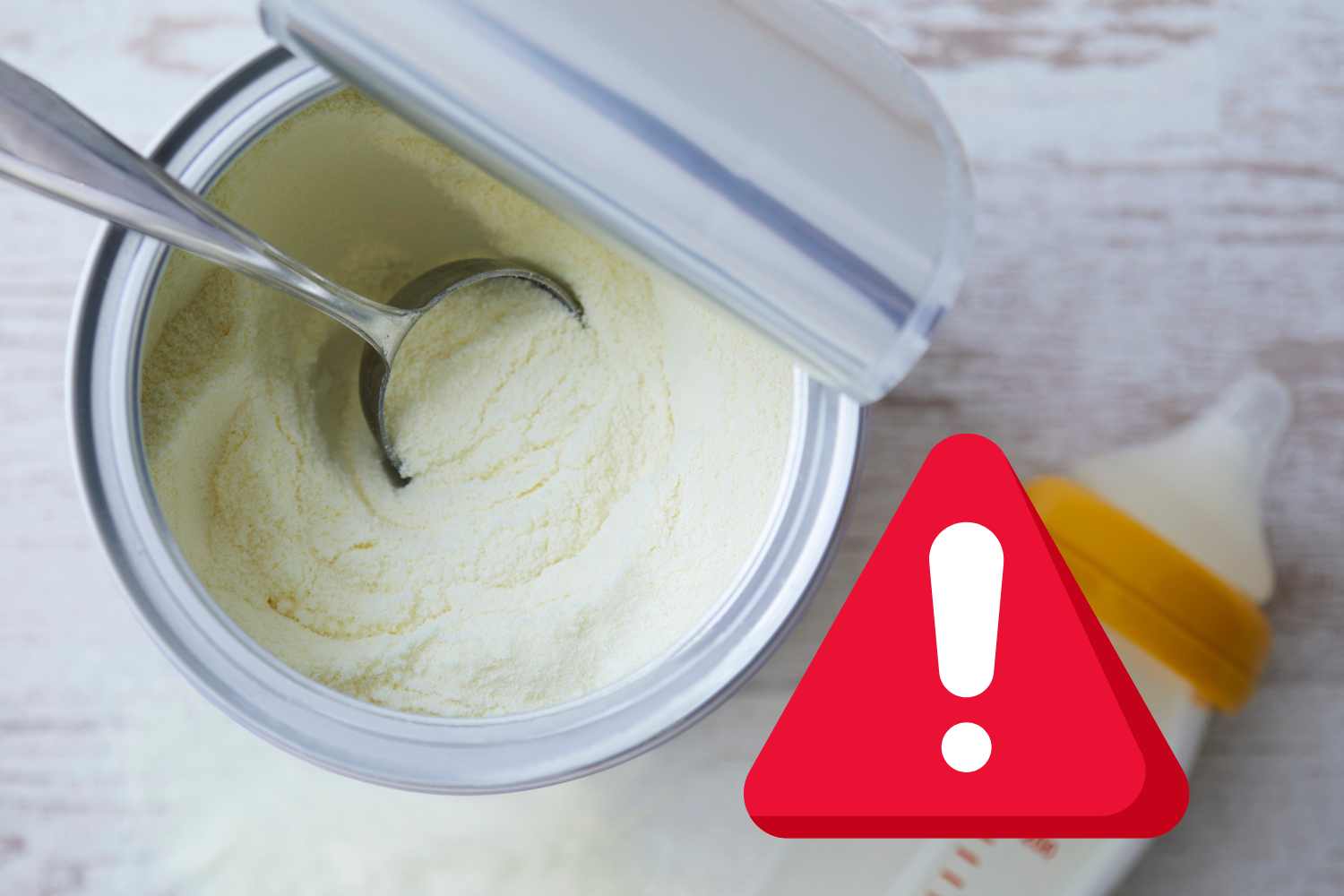
In recent days, the food alert linked to infant formula has widened further compared to the first wave of recalls started by Nestlé at the beginning of January 2026. In addition to the Swiss company, other large brands have now also been involved in the withdrawal from the market of products that could be contaminated with cereulide, a toxin produced by the bacterium Bacillus cereus which can cause vomiting, diarrhea and abdominal cramps in infants and young children.
According to what has emerged so far, the origin of the problem appears to be attributable to a single Chinese supplier of ARA oil, the arachidonic acid used in high-end formulas to imitate the lipid composition of breast milk. Cereulide is a heat-resistant toxin, meaning it is not eliminated by either boiling water or normal bottle preparation processes, making the risk potentially serious in the event of contamination.
Nestlé was the first company to act, announcing a voluntary recall in early January 2026 that quickly took on global dimensions. The affected products have been recalled from over sixty countries and include well-known brands such as SMA, Beba, Guigoz, Nidal, Alfamino and, in some markets, even Nan.
In Italy, as already communicated by the health authorities, the recall affected specific batches of the Nan, Nidina, PreNan and Alfamino lines. The company stated that the safety of newborns remains its top priority and that, at this time, there are no confirmed cases of illness linked to the consumption of the affected products.
However, Nestlé’s handling of the recall has come under fire from consumer groups. According to an investigation by foodwatch Netherlands, the multinational had the first confirmation of the problem as early as the beginning of December 2025, while the public recalls only started several weeks later, with an initially fragmentary dissemination of information.
The new recalls
In recent days, Lactalis has also confirmed the withdrawal of six batches of Picot brand infant milk, distributed in 18 countries (which does NOT include Italy). The products had been on sale since January 2025, with expiration dates reaching up to March 2027.
The company explained that it immediately started analyzes through an accredited independent laboratory and underlined that, at the moment, the French authorities have not reported complaints or cases of adverse effects linked to the consumption of the recalled formulas. Lactalis said it fully understands parents’ concerns and acted as a precaution as soon as it received the alert about the suspected ingredient.
Danone’s involvement, at least for now, appears more limited. Only one batch produced in Thailand was blocked at the request of the Food Agency of Singapore as a precautionary measure before the product reached the local market. The company specified that the checks carried out did not highlight any irregularities or deviations from good production practices and that the products were stopped exclusively as a precaution.
The picture that emerges is that of a crisis linked not so much to individual factories, but to a vulnerability of the global ingredient supply chain. The use of a common component by multiple companies explains why the problem quickly took on an international dimension, involving markets in Europe, Asia, the Americas, Africa and Oceania. In Switzerland, for example, the Hochdorf company has also recalled some packages of Bimbosan brand infant milk powder, again due to suspicion of contamination of ARA oil.
Danone’s reply
The company released a statement to Euronews Health:
All our products are manufactured to rigorous food safety and quality standards and undergo extensive testing before leaving our factories adding that the products have been blocked as a precaution.
All checks confirm that the products are safe and fully compliant with international and local regulations and no irregularities or deviations have been found in relation to Bacillus cereus and Good Manufacturing Practices (GMP).
Products sold in Italy
In Italy, at the moment, the official recalls concern exclusively Nestlé products, while there are no similar measures for Danone or Lactalis brands distributed on the national market. However, the situation remains evolving and new updates cannot be ruled out.
The recommendations for parents remain to carefully check the batch number and expiry date shown on the packages, not to use the products affected by the recalls and contact the pediatrician in case of doubts or gastrointestinal symptoms in children.
