
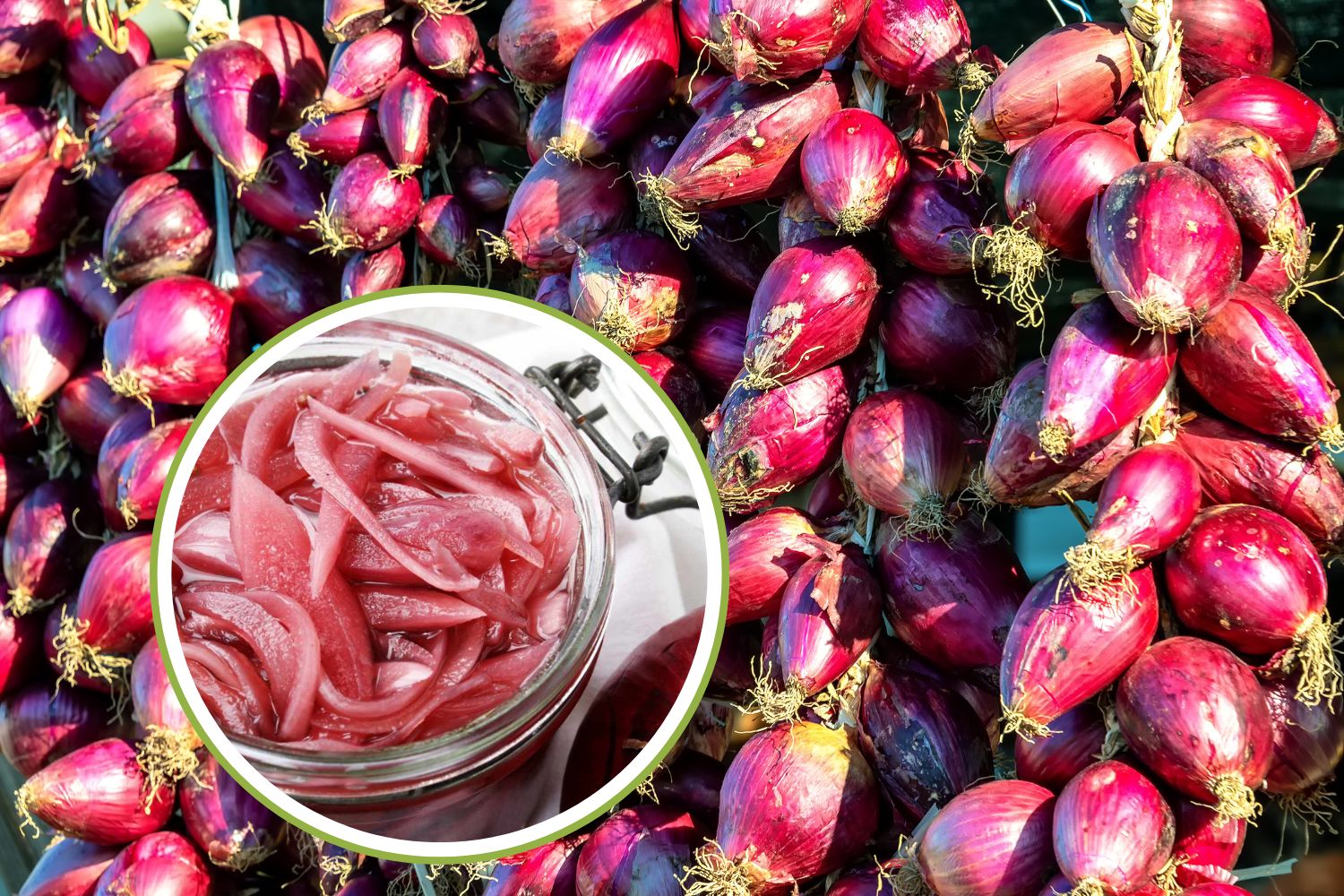
The Red Onion of Tropea Calabria PGI is an agri-food excellence recognized by the European Union with EC Regulation no. 284/2008 of 28 March 2008. We are talking about a bulb with an intense purple color and a sweet flavour, which grows along the Tyrrhenian coast of Calabria, from Nicotera to Campora San Giovanni, on sandy soils kissed by the sun and the sea breeze. The Protected Geographical Indication brand protects a product that has its roots in a thousand-year-old tradition, probably introduced by the Phoenicians and perfected over the centuries by local peasant wisdom.
In 2009, with Ministerial Decree 131 published in the Official Journal (here we can see a 2016 Decree which makes some changes), the Protection Consortium was recognized which guarantees the quality and authenticity of this unique onion in the world.
The characteristics that make it special
What distinguishes the Tropea onion from all other varieties is its extraordinary sweetness. The sugar content reaches exceptional levels, while the presence of sulphurous substances is reduced compared to common onions. This peculiarity derives from the coastal microclimate and the mineral composition of the soil, rich in elements that give the bulb that crunchiness and delicate taste that allow it to be consumed raw. The shape can be round or elongated, with external tunics of a bright purplish red and white pulp crossed by purple streaks.
Cultivation and harvesting: a labor of patience
Sowing takes place between August and September in protected seedbeds, then, between November and December, Calabrian farmers transplant the seedlings into the fields, arranging them in orderly rows. Growth requires constant care: moderate irrigation, hoeing to aerate the soil and weed control without the massive use of chemicals. The harvest takes place from March to July, when the leaves begin to dry. The bulbs are extracted manually, cleaned and woven into characteristic braids to hang in ventilated places, a traditional method that allows for natural conservation that can last several months.
Sweet and sour preserves: the art of preserving flavour
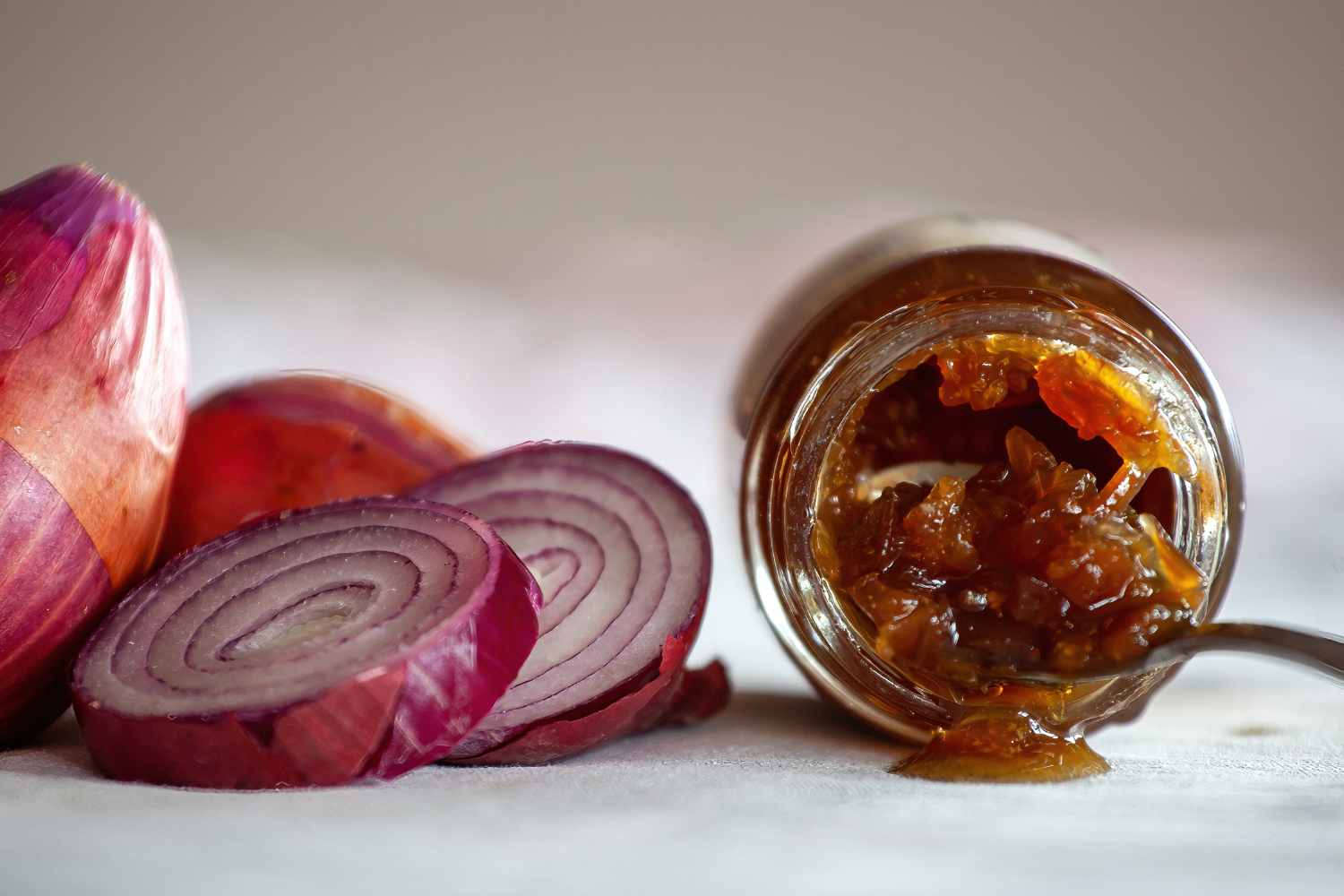
Sweet and sour is the most common method for preserving Tropea onions. The balance between vinegar and sugar enhances the natural sweetness of the bulb, creating a versatile condiment perfect for accompanying cheeses, cured meats and second courses.
Here are five traditional recipes.
Classic sweet and sour onions
Ingredients:
Procedure:
Peel the onions and cut them into slices about one centimeter thick, then heat the vinegar with the sugar, salt and bay leaf. Add the onions and cook for about 15 minutes over medium heat. Once cooked, you can place everything inside a previously sterilized jar and turn it upside down until completely cooled.
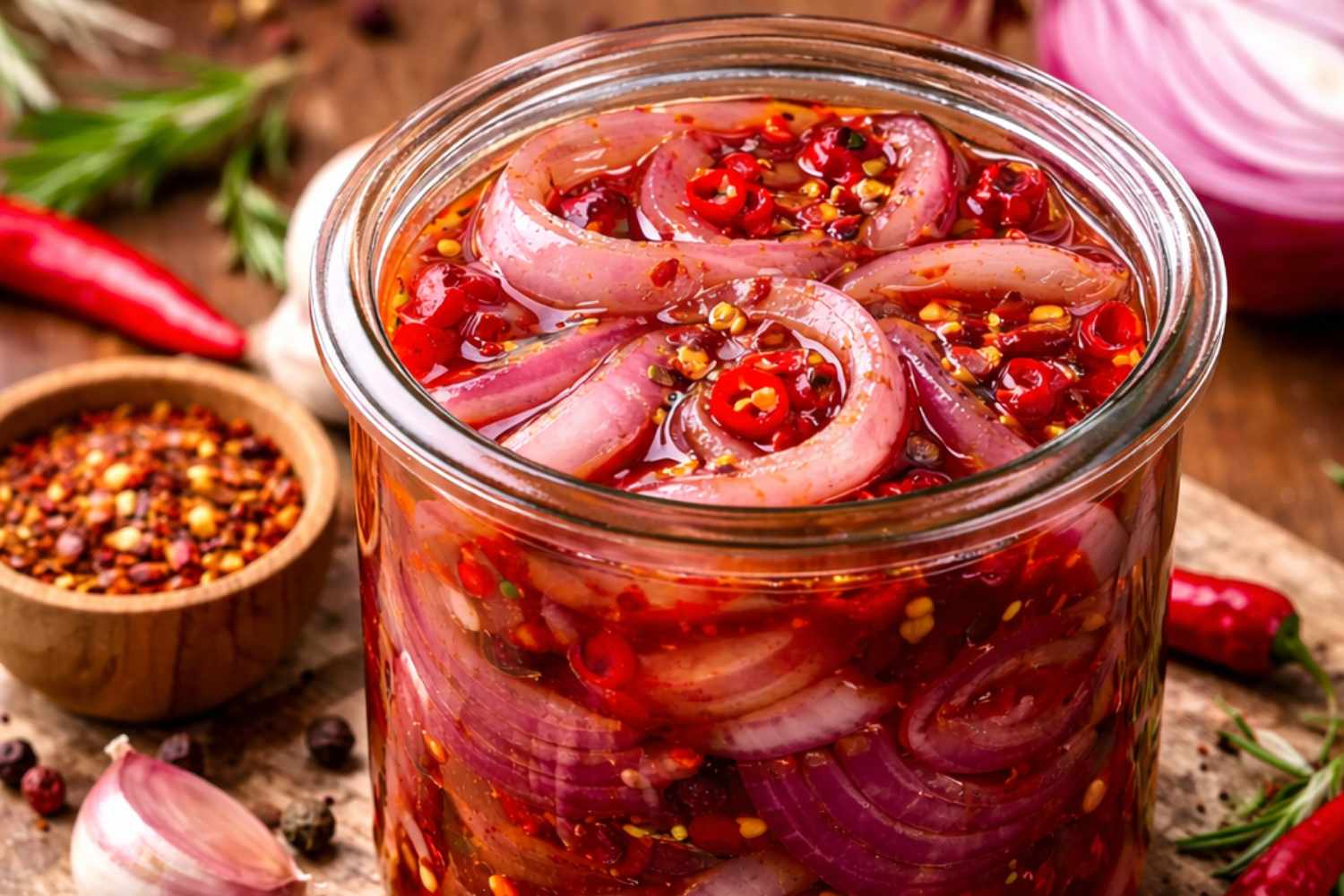
Sweet and sour onions spiced with chilli pepper
Ingredients:
Procedure:
Cut the onions into wedges, then boil the vinegar with the sugar and spices for about 5 minutes. At this point add the onions and cook for about 20 minutes, stirring occasionally, then transfer to sterilized jars, removing the cinnamon.
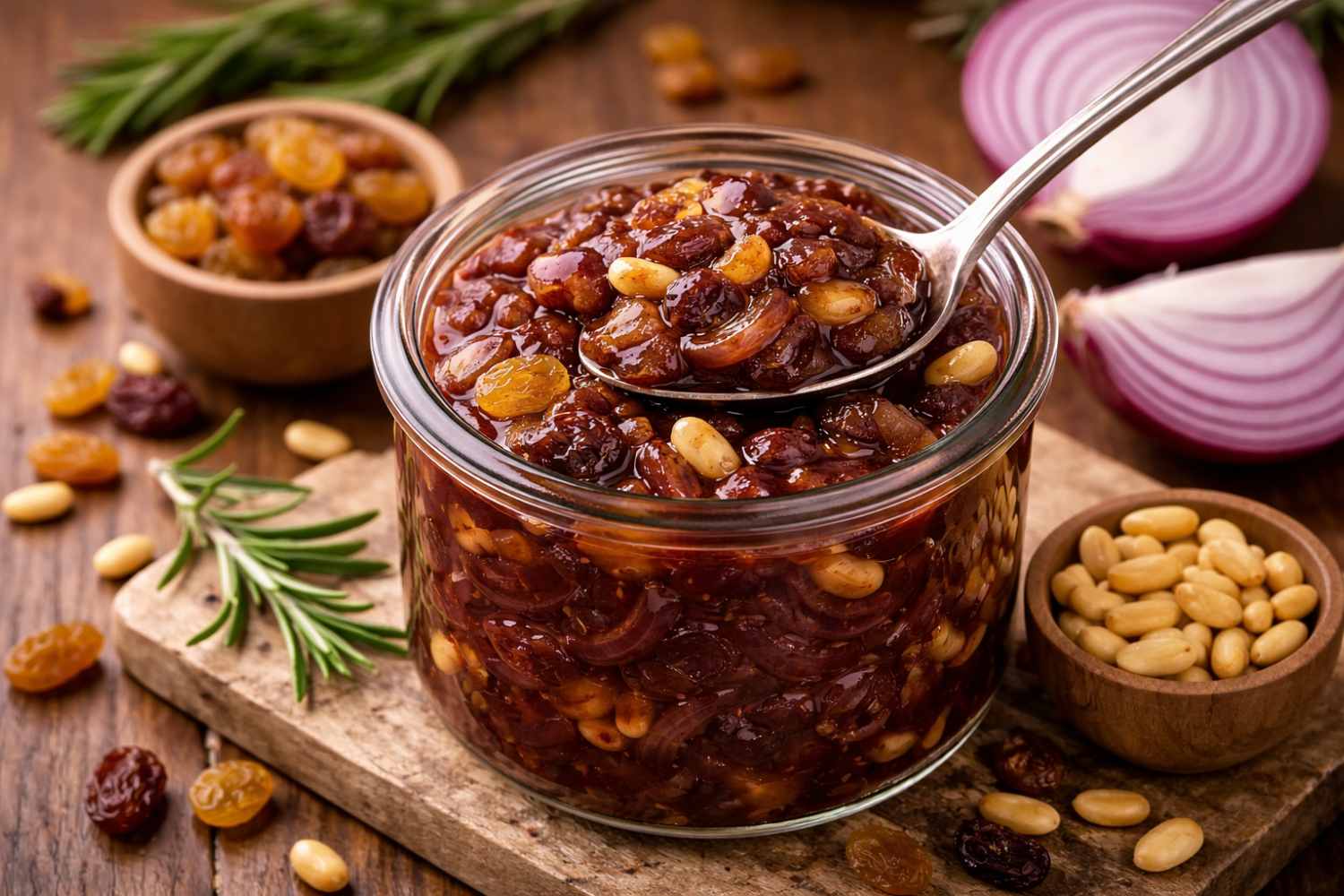
Red onion compote with raisins and pine nuts
Ingredients:
Procedure:
Brown the sliced onions in oil for about 10 minutes, then add the vinegar, sugar, soaked raisins and pine nuts, then cook over a low heat for about 30 minutes, until you obtain a thick consistency. Once the result is obtained, place everything, still hot, inside the containers.
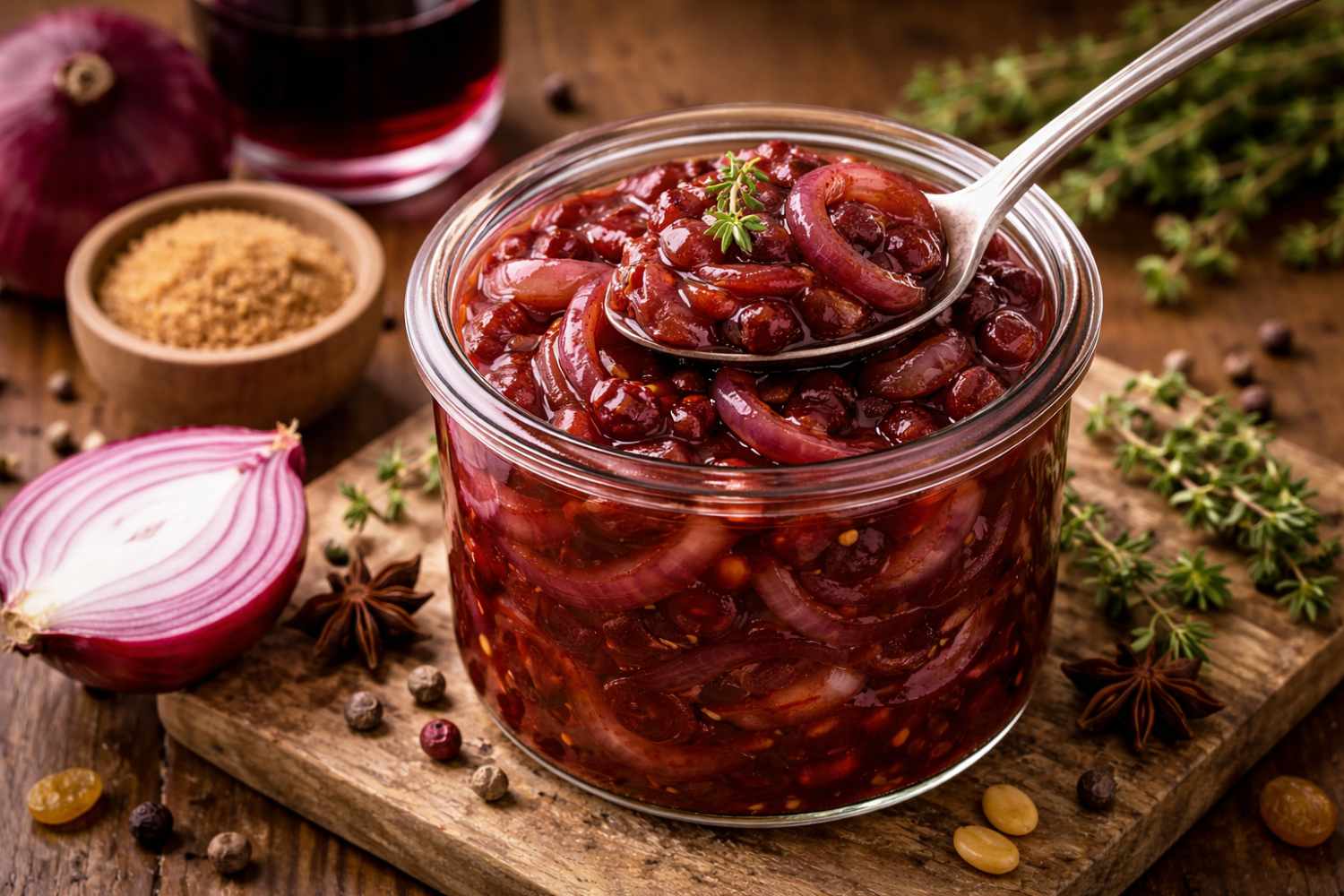
Sweet and sour red onions in red wine
Ingredients:
Procedure:
Stew the onions, roughly chopped, with the wine for about 15 minutes, then add the vinegar, honey and rosemary. Continue cooking for another 20 minutes over low heat. Remember to store in the jars after removing the rosemary sprigs.
Calabrian mustard with onions
Ingredients:
Procedure:
Cook the whole onions in boiling water for about 10 minutes, then drain them and cut them in half. Separately, prepare a syrup with vinegar, sugar, cooked must and flavourings, then immerse the onions in it and cook for about 25 minutes. At the end of cooking, you can put everything in jars, remembering to add plenty of cooking liquid.
The preserves we have prepared can be kept in the pantry for about a year. Once the jars have been opened, they should be stored in the refrigerator and consumed within two weeks.
Enjoy your meal!
