
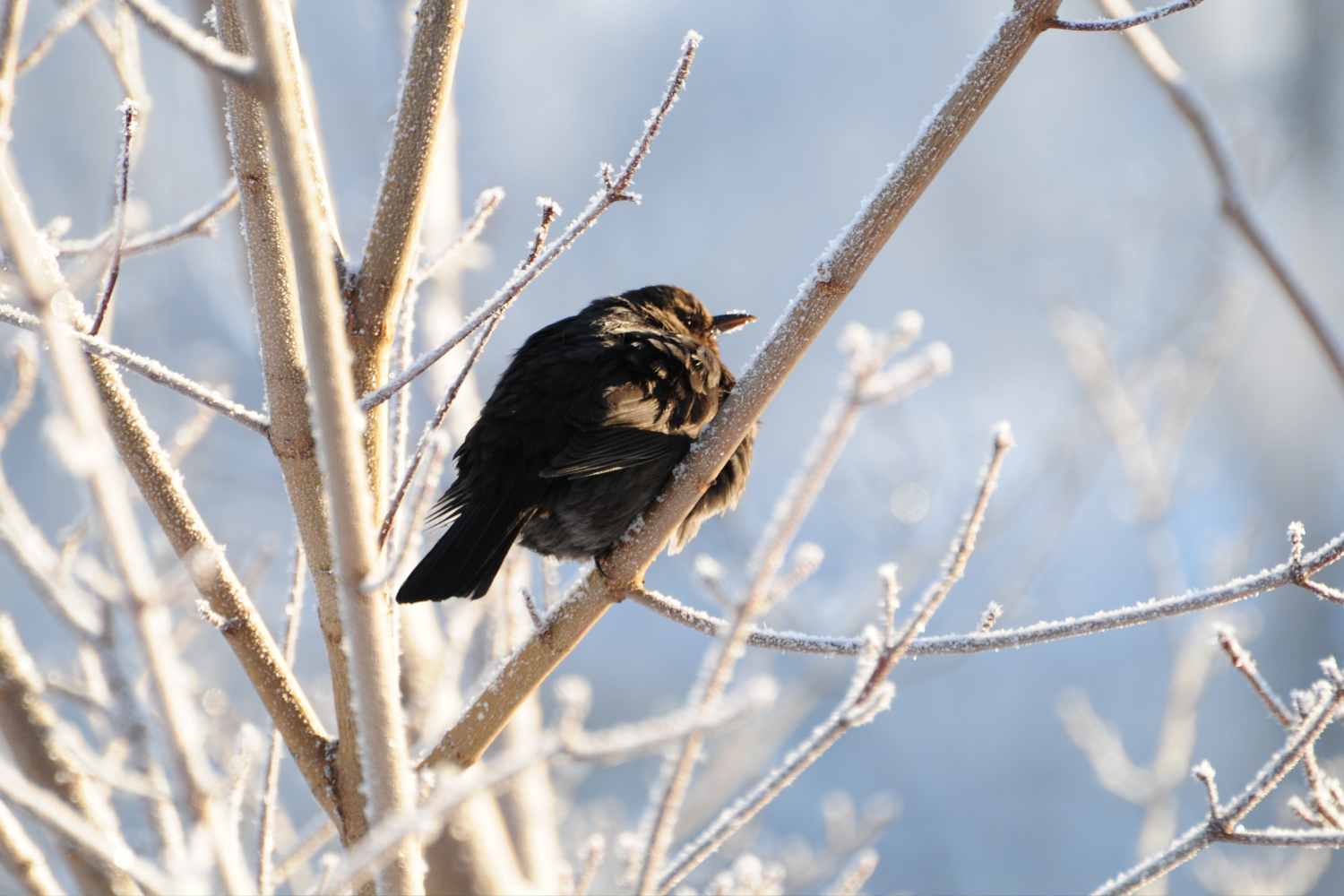
The Blackbird Days – which traditionally fall on January 29, 30 and 31 – should represent the peak of the winter cold. This year, however, the legend is overturned: the forecasts confirm above-average temperatures and high pressure that will bring large sunny spells in the Centre-North, while scattered rains will resist in the South.
The origin of the name: why are they called that?
The origin of the name is buried in the mists of popular tradition, with various intertwining hypotheses. There are plenty of more or less official versions (from the most famous, where a blackbird found shelter in a chimney, to those with a historical basis, as in the case of Sebastiano Pauli, an Italian intellectual who in his “Tuscan sayings” of 1740, mentions a cannon called “la Merla” which had to wait until the last days of January to cross the completely frozen Po), so we invite you to read our article which traces its history a bit, including anecdotes and curiosities.
Temperatures above average
This year the tradition is reversed. From Thursday 29 January, a recovery of high pressure will guarantee greater stability over the central-northern regions. Thermal values will remain a few degrees above the seasonal averages: in the North and the Centre, during the night temperatures will touch zero in the plains – completely normal values for the period – while during the day, thanks to the sun, peaks of 8-10°C will be reached in the North and up to 12-14°C in the central regions.
Still unstable in the South
The situation is different in the South and on the Islands, where the picture is more uncertain. The risk of showers and residual rain will remain real at least until Saturday 31 January due to unstable circulation that the anticyclone will struggle to undermine. An umbrella will therefore be needed in the next few days, even if the intense cold remains far away.
What does February have in store for us?
Although the Blackbird Days present themselves with a decidedly milder face, winter is far from over. Long-term models suggest that new freezing surprises could arrive as early as the beginning of February. Popular legend, moreover, states that if these three days are mild, the winter will last longer – even if climate data disprove this belief: according to the Pre-Alpine Geophysical Center, the average temperatures of the last three days of January are actually above the average for the month.
