
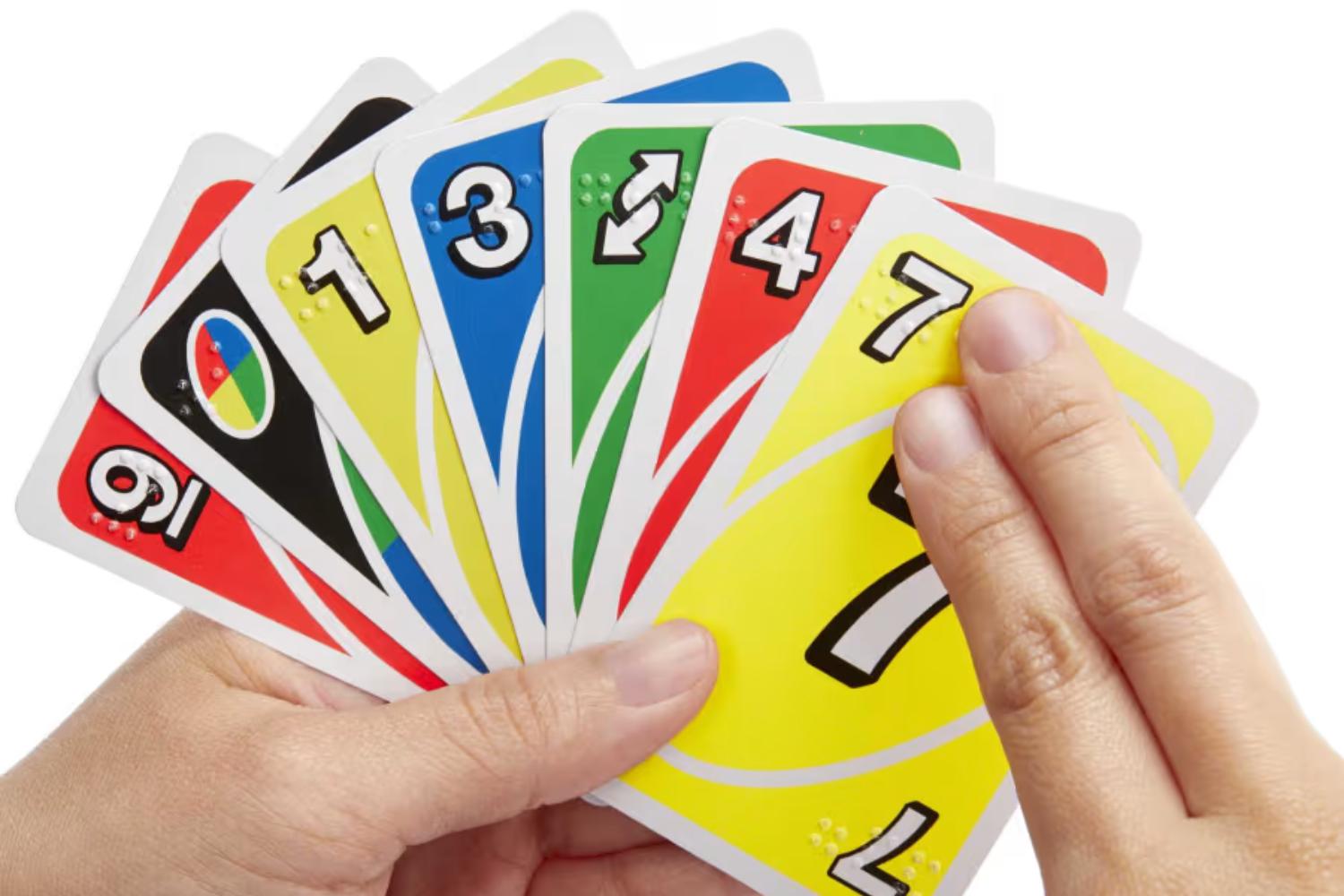
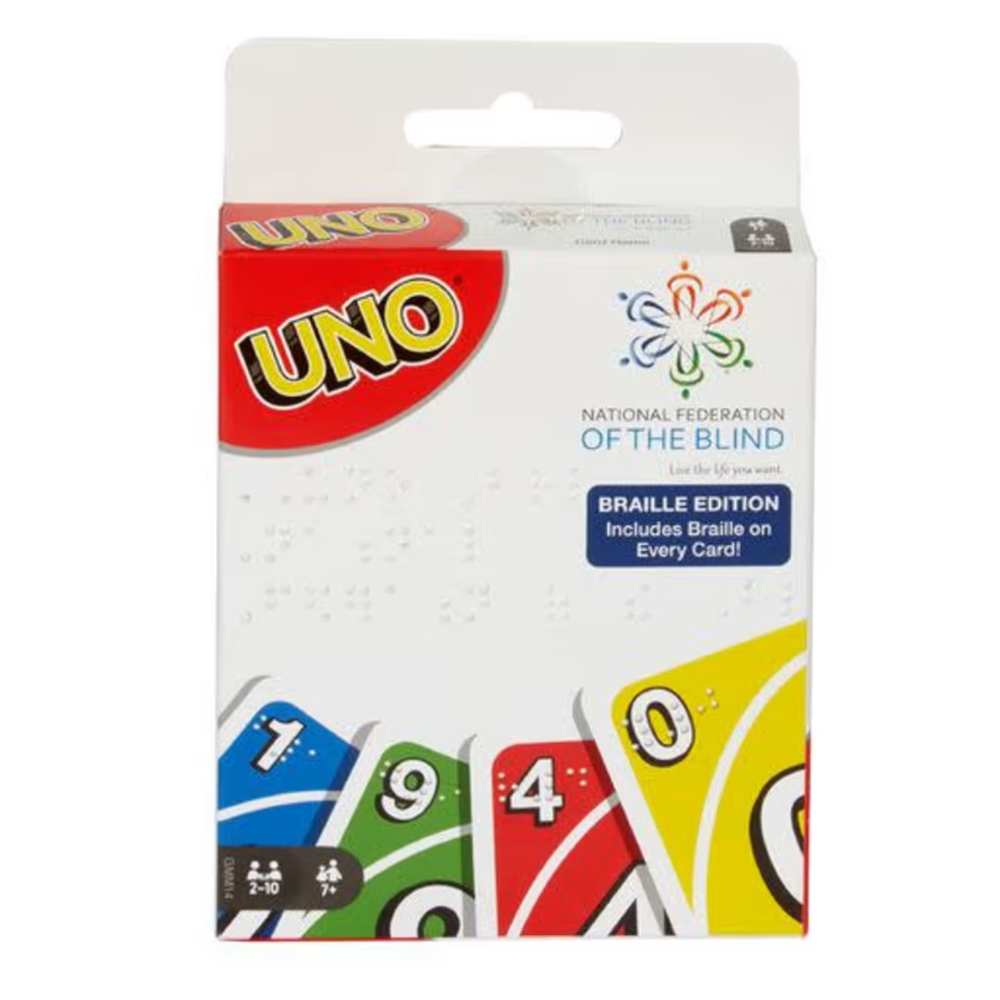
UNO is one of those games that seems to need no introduction. Colors, numbers, special cards and simple rules have crossed generations and tables all over the world. Now Mattel takes a decisive step and launches UNO Braille, a version designed to make the game accessible also to blind and visually impaired people, without modifying the original rules in any way.
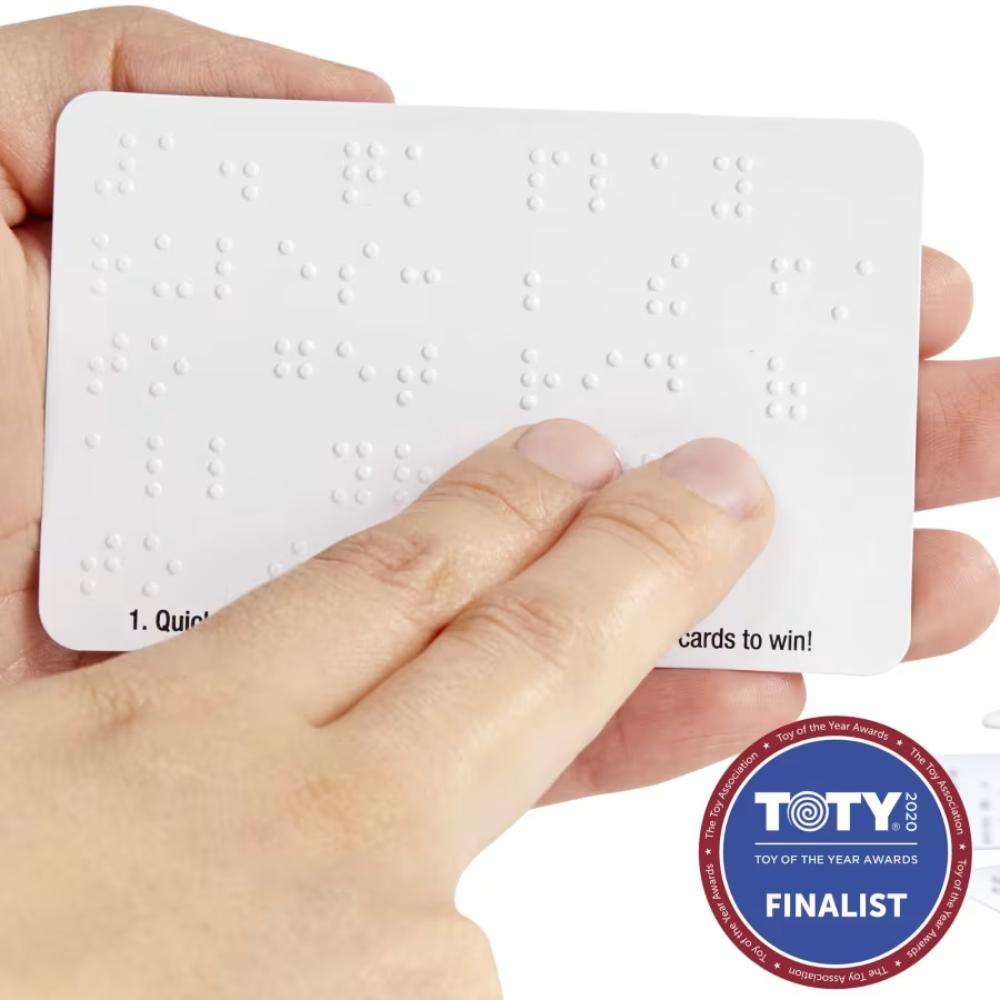
All UNO Braille cards integrate braille writing that indicates numbers, colors and actions. In this way blind players can recognize each card and participate in a game completely independently, without the need for external assistance. The key element is precisely this: ONE remains ONE. No simplification, no forced variations. The dynamics, twists and tensions typical of the game remain identical, but the audience that can really sit at the table is expanding.
Attention is also paid to color blindness
Accessibility doesn’t stop at braille. Mattel has in fact introduced additional visual symbols on the cards, designed to facilitate color recognition by color blind people. A measure that improves the readability of the game without weighing down its design.
The result is a shared experience, where sighted, visually impaired and color-blind players can participate together, without separate differences or adaptations. A detail that transforms a classic into a concrete example of inclusive design. Available on Amazon at the price of 19.99 euros, UNO Braille sends an important signal: a truly universal game is not limited to being known by everyone, but must be able to be played by everyone.
Accessibility as a starting point
With UNO Braille, Mattel sends a clear message: accessibility is not an optional, but an essential condition for enjoyment. Braille is not treated as a marginal addition, but rather as an integral part of the graphic and functional design of the game. This choice demonstrates how an iconic product can evolve without losing its identity. The rhythm of the matches, the competition and the sociability remain intact, while barriers that are often invisible to those who do not have to face them fall.
A commitment that goes beyond just one game
UNO Braille is part of a broader strategy. Mattel said that 90% of its catalog is now designed to be accessible to color-blind people, thanks to the use of clear symbols, patterns and visual references. Digital versions of games like UNO, Phase 10, and Skip-Bo also offer alternative decks to improve color identification.
You might also be interested in:
