
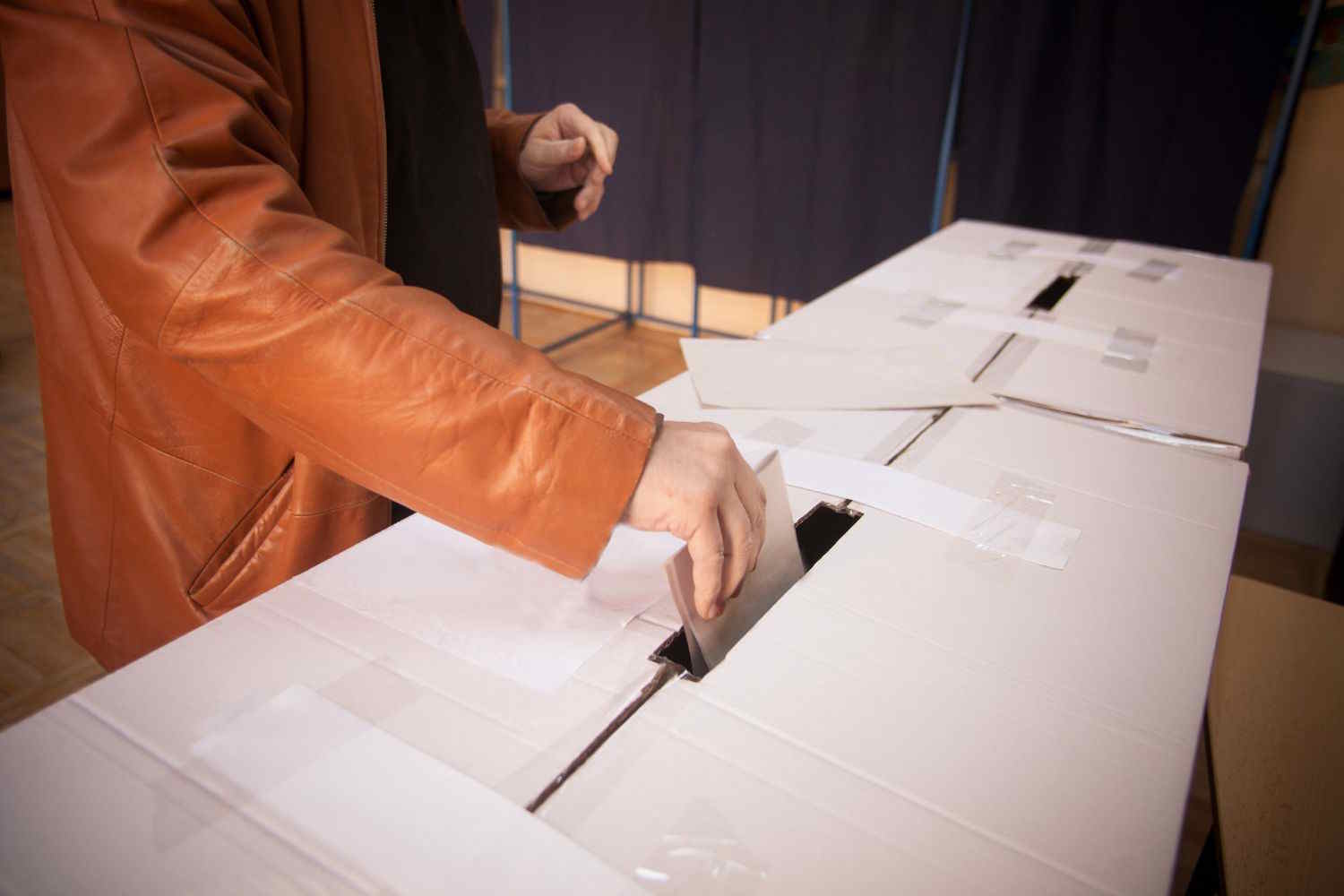
The referendum on justice reform will take place on 22 and 23 March. The TAR of Lazio has put a firm point on this, rejecting the appeal of the “Committee of 15”, which asked to suspend or postpone the consultation pending verification of the 500 thousand signatures collected for the NO. But while the dates are locked down, politicians make a choice that smacks of democratic mockery: students and workers away from home remain excluded from voting.
According to the administrative judges, the process had already been correctly activated by the parliamentarians, as required by article 138 of the Constitution. Once the Supreme Court has validated the request, the Government cannot do anything other than call the referendum. There is no legal basis to stop everything in the name of a future eventuality, such as the admission of a second question supported by the signatures.
Read also: Justice reform: I am a judge and I will explain to you why I will vote NO
For the centre-right it is a complete victory, while the NO promoters claim a completely different result. But the appeal did not dampen the mobilization and the fact that signatures even increased and the 500,000 threshold was reached early is a sign that interest in the topic has not waned at all.
But the real fracture opens up on an even more delicate point: the right of non-residents to vote. The amendments that would have allowed students and workers far from their municipality of residence to vote without having to return home were rejected by the majority. The official reason speaks of “technical problems” and too little time to organize the system. A justification that is very unconvincing.
In a country where abstention has now consistently exceeded 50%, the choice not to facilitate participation appears counterintuitive. And in fact the opposition speaks openly about a political decision, not a technical one. For Elly Schlein it is yet another demonstration that the fight against abstention is just a slogan.
The paradox is evident: on the one hand there is a referendum without a quorum, where each vote weighs even more. On the other hand, the decision to make voting more difficult for a huge segment of the population, young and mobile, already often excluded from political participation for practical and economic reasons.
The result is a democratic short circuit: the dates are confirmed in the name of the rules, but the right to vote is restricted by political choice.
Read also:
