
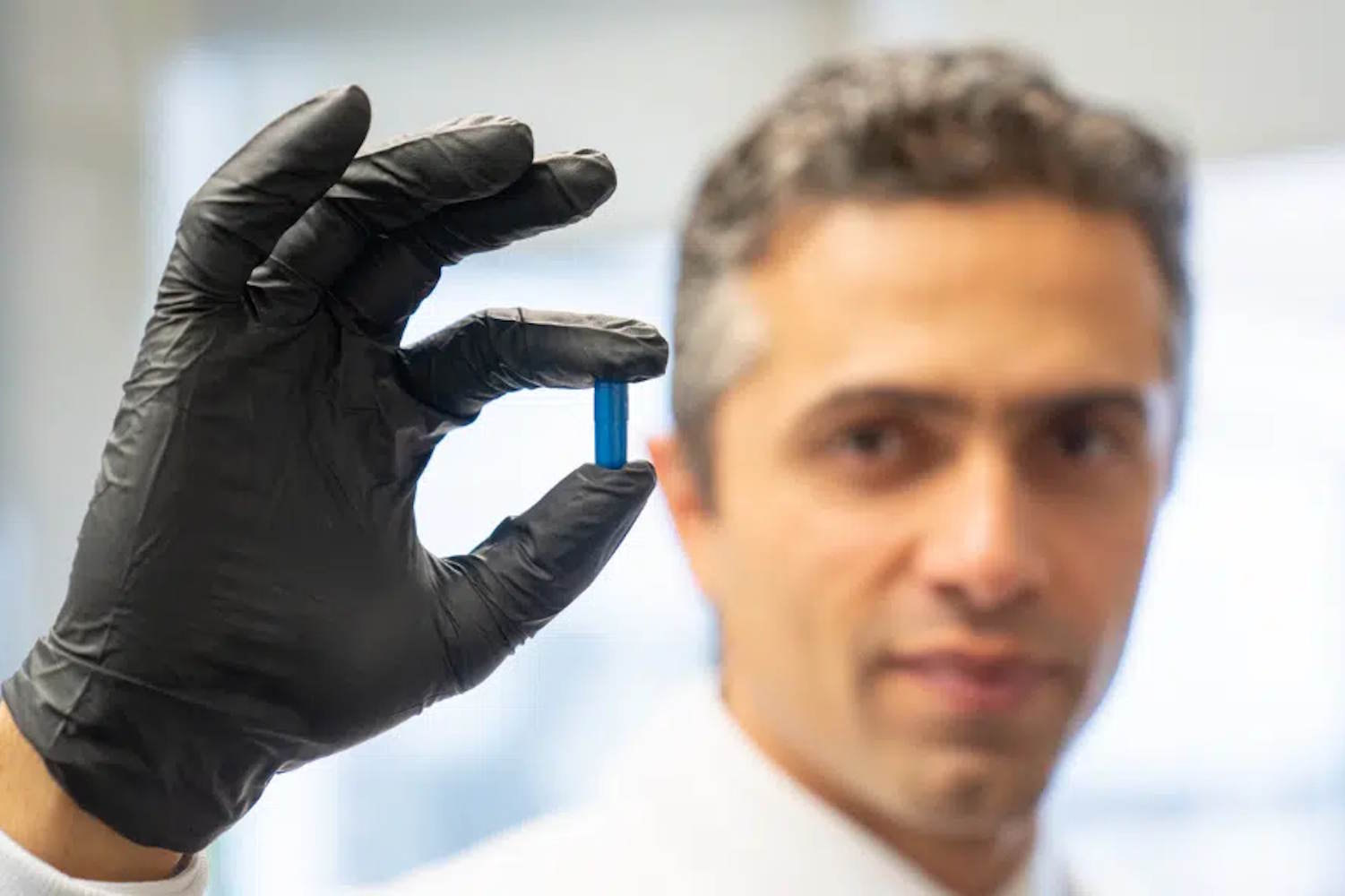
Poop pills could actually help in the fight against cancer by stimulating the immune system to destroy diseased cells. The groundbreaking study, led by Lawson Research Institute (United Kingdom) studied stool capsules already used as a fecal transplant tool for the treatment of some intestinal infections. And they also seem to work against some tumors.
Scientists, in particular, have perfected the delivery of fecal transplants via patient-friendly capsules, which are now the focus of innovative cancer treatment studies. While the findings have caused a stir in scientific and health circles around the world, the findings demonstrate that the pills have the powerful potential to enhance the body’s response to the treatment of certain types of cancer.
Fecal transplant, on the other hand, is a well-known medical practice that has been shown to be able to improve an individual’s intestinal microbiome: through the introduction of feces from healthy donors, it is possible to correct some imbalances in the microbiome and improve overall intestinal health. So “poop pills” are already used and generally well tolerated.
Over the past decade, microbiome research has led to a revolution in medicine, as scientists have discovered how an imbalance of these microorganisms interferes with many aspects of good health.
Recent research coordinated by the Sant’Anna School of Advanced Studies in Pisa, for example, has shown that disorders of the intestinal microbiota can even cause some neurodevelopmental disorders such as CDKL5 deficiency disorder (CDD), a rare and serious genetic disease which now, perhaps, could be treated by acting on the intestine instead of directly on the brain.
The human microbiome is in fact made up of trillions of microorganisms that live inside and outside the body, including bacteria, viruses and yeasts. But while some bacteria are associated with disease, others are vital to the human immune system, the main tool for protecting and fighting disease, and for many other aspects of health.
For this reason, researchers are also successfully experimenting with fecal microbiota transplants against cancer, transferring healthy intestinal microbes from donors to patients suffering from cancer and other diseases, so that the healthy bacteria colonize the patient’s intestine and improve the microbiome.
To this end, feces are collected from carefully selected healthy donors, prepared in the laboratory into capsules and introduced into the patient’s gastrointestinal tract.
What is so exciting when it comes to cancer treatment is the evidence we now have showing that a healthy microbiome activates the immune response to tumors, making treatment more effective,” explains Michael Silverman, medical director of St. Joseph’s Infectious Diseases Treatment Program and chief of infectious diseases at Londo Hospital. “This allows us to harness the immune system to create a stronger defense.
The capsules have proven to be fundamental in particular for several studies currently underway aimed at improving the treatment of lung, kidney, breast, renal, pancreatic and other tumors.
Among these, two studies have proven to be most promising: the first demonstrates that the toxic side effects of drugs for the treatment of kidney cancer could be eliminated with transplantation, while the second study suggests that the technique is effective in improving the response to immunotherapy in patients with non-small cell lung cancer and melanoma.
The research will continue because there are still many issues to be resolved and evidence to support the thesis, but the path begun really seems to be the right one.
Both works were published on Nature Medicine.
Sources: London Health Science Center Research Institute / St Joseph’s Health Care London / Nature Medicine (kidney cancer) / Nature Medicine (non-small cell lung cancer and melanoma) / / LHSCCanada/Youtube
