
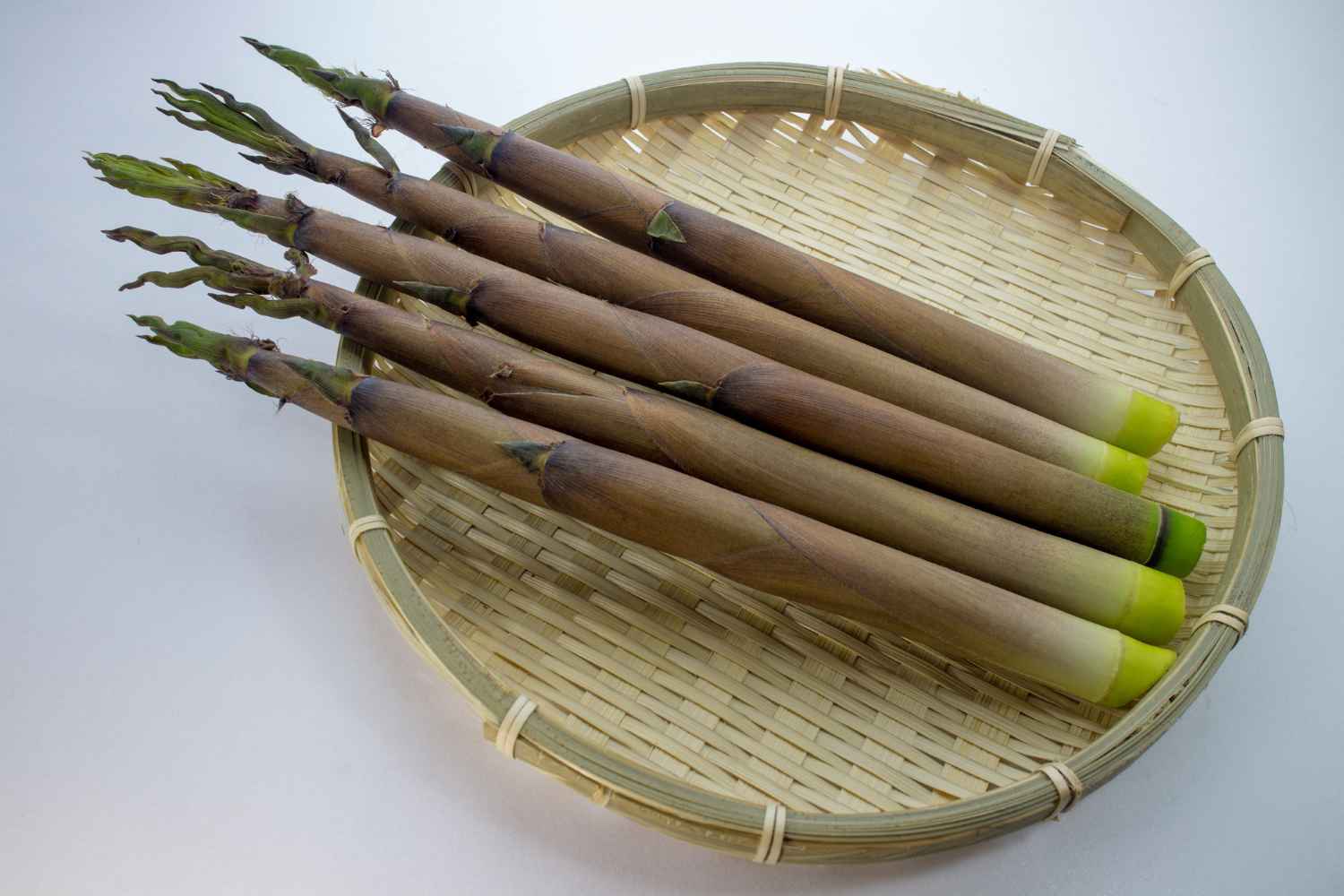
For decades we have celebrated avocados, blueberries and walnuts as pillars of healthy eating, completely neglecting an ingredient that the Asian culinary tradition has used for centuries, namely bamboo shoots, that crunchy vegetable with a delicately earthy flavor that we mainly associate with oriental dishes, and which is finally getting the right and deserved scientific attention.
A systematic review recently published in Advances in Bamboo Science analyzed numerous studies involving a total of 4,934 participants, with results that could change the perception of this seemingly secondary plant. Research has documented significant beneficial effects on several fundamental metabolic parameters: reduction of blood glucose levels in diabetic patients, reduction of LDL cholesterol and an overall improvement in cardiovascular health.
Studies conducted at the cellular level have highlighted the presence of anti-inflammatory properties and a real protective capacity against oxidative damage, the process that accelerates cellular aging and promotes the development of chronic pathologies.
A rich and complete nutritional profile
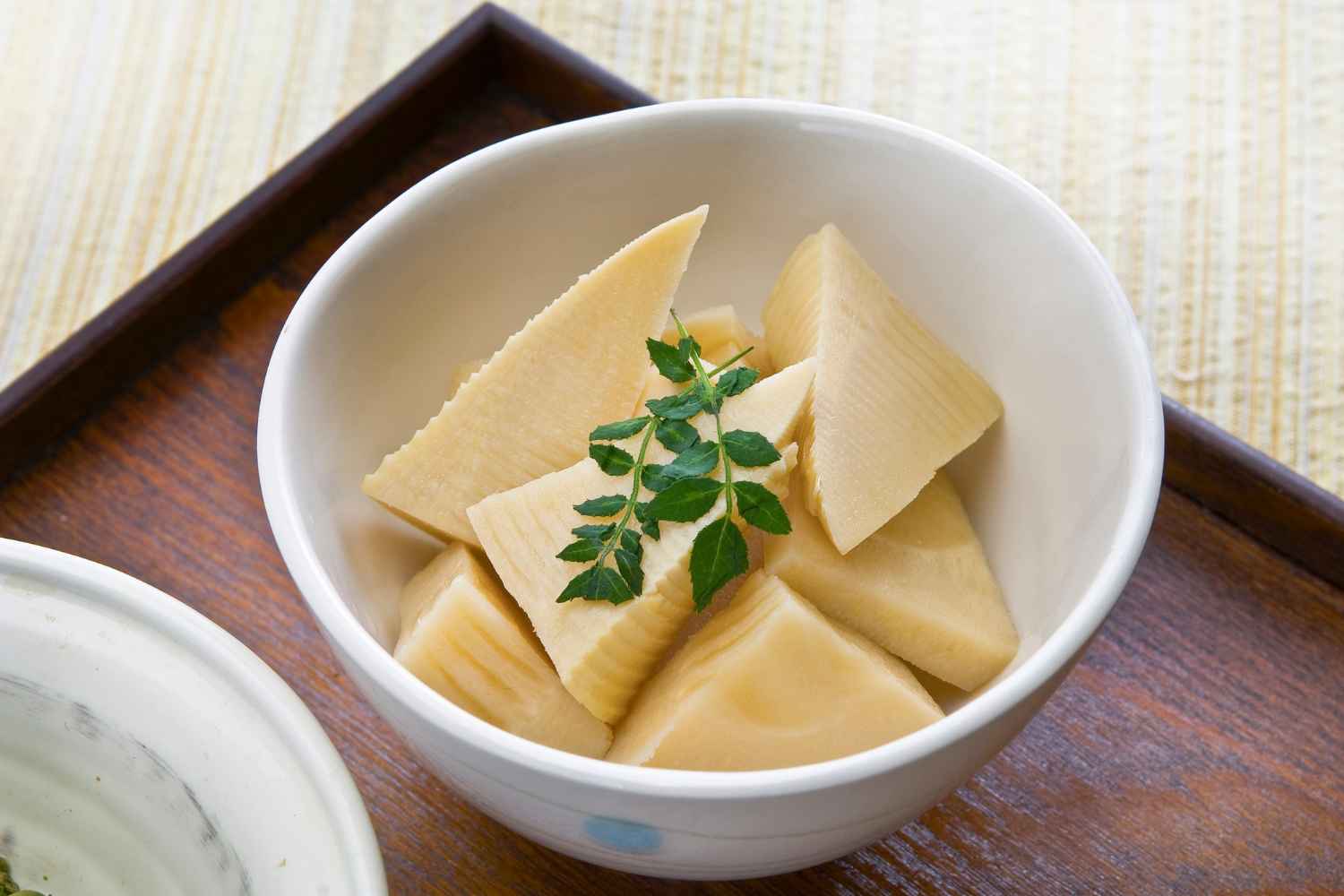
Behind the crunchy texture and neutral flavor of bamboo shoots lies a concentration of essential nutrients that should not be underestimated. The composition includes significant quantities of:
The high fiber content deserves particular attention, because it promotes regular intestinal transit, contributes to the prevention of colorectal cancer, protects the cardiovascular system and prolongs the feeling of satiety. This last feature represents a truly precious advantage for anyone who wants to manage their body weight without having to resort to particular diets and drastic food restrictions.
A detail that emerged from the research concerns the non-uniform distribution of nutrients within the sprout, which sees a greater concentration of proteins and minerals in the apical portions, while the base is richer in fiber and carbohydrates. A useful feature, which allows you to consciously choose which part to use based on your nutritional needs.
Beyond traditional consumption
The use of bamboo shoots is evolving beyond simply adding them to soups and stir-fries. Some studies have tested the use of dried and powdered sprouts as a partial addition to flour in pasta and noodle preparations. The results show a final product enriched with amino acids, proteins, complex carbohydrates and vitamins, which maintains a decidedly more favorable lipid profile compared to traditional versions. Application that opens up interesting scenarios for both the food industry and domestic cooking, useful for increasing the nutritional value of everyday dishes.
The safety question: how to prepare them correctly
Before running to the nearest Asian supermarket, we must mention a decidedly critical and perhaps completely unknown aspect: raw bamboo shoots contain cyanogenic glycosides, compounds that release cyanide during digestion. A risk cannot and must not be underestimated.
Thanks to correct preparation it is possible to completely eliminate this danger. The process always involves peeling the external fibrous and woody part, followed by prolonged boiling which neutralizes the toxic compounds. Only after this heat treatment do the sprouts become safe for consumption, both immediately and after preservation in brine.
In specialized shops you can find sprouts already treated and preserved in jars or vacuum-packed, a convenient solution for those who are not familiar with the traditional preparation.
Perspectives and limitations of current research
Despite the encouraging data, the researchers themselves underline the need for further investigation. The available studies offer promising but not sufficient indications to precisely define optimal dosages, ideal frequency of consumption and possible interactions with drugs or other health conditions.
Large-scale, long-term randomized clinical trials are needed to confirm the observed benefits and fully understand the therapeutic potential of this plant. In the meantime, moderate integration into the usual diet can certainly represent a sensible choice to diversify nutritional intake.
