
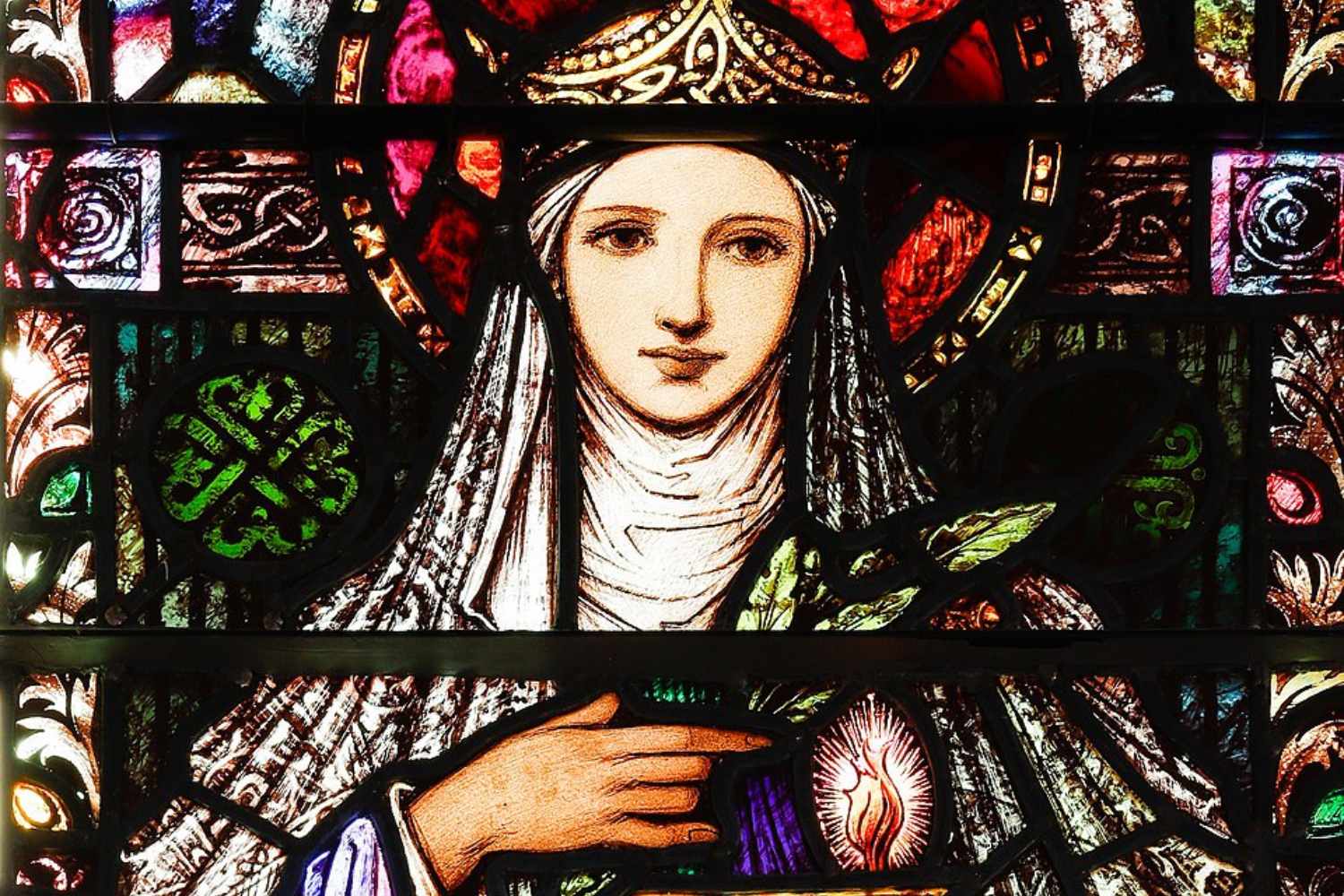
Every February 1st Ireland pays homage to Saint Bridget, one of the most beloved and recognizable figures in the country’s spiritual history. Its profile spans the centuries and combines values that sound incredibly current today, such as attention towards the poorest and respect for nature. In this article we will learn more about the figure of Saint Brigid, discovering why she is such an important figure in the Irish tradition, and we will do so starting from a journey dedicated to her, a perfect starting point for deepening our knowledge of her.
Brigid’s Way, a journey between nature and spirituality
For anyone who wishes to come into direct contact with the legacy left by Saint Brigid, her native Ireland is definitely the right place: by visiting the “Emerald Isle” you can follow a highly evocative itinerary, the Brigid’s Way, a path of approximately 110 kilometers that connects Faughart, the saint’s birthplace, to Kildare, where Saint Brigid founded the abbey destined to become a spiritual and cultural point of reference.
The route is divided into nine stages and crosses rural landscapes, ancient paths and places full of memory, for an experience far superior to a simple pilgrimage: spirituality, history and environment that continually intertwine, providing a complete glimpse into the true soul of the island.
Starting from 2025, the journey has been enriched with monthly guided excursions, one for each stage. A precious opportunity to explore the most pristine areas, still little frequented by mass tourism, through traces full of cultural and symbolic meaning, where the sacred and everyday life coexist without fractures.
The sacred places along the route
Brigid’s Way winds through very different scenarios. The journey starts from Lisnawilly Estate and passes through the villages of County Louth, the farmlands of Meath, Donadea Forest Park, the Coolree bogs, the Grand Canal, Pollardstown Fen and the wide expanses of the Kildare Curragh.
Along the way you will find numerous sites of great spiritual value: the Holy Well in Faughart, the Knockbridge Standing Stone, also known as the Cuchulainn Stone, the Hill of Slane, the Hill of Tara, Brideswell in Kilcock, Brigid’s Fire Temple, the sacred wells of Kildare and St Brigid’s Cathedral in the city of Kildare.
View this post on Instagram
Rites, lights and popular traditions
In addition to the path dedicated to Saint Brigida, you will find many activities connected to her cult. We can mention St. Brigid’s Day: Celebration of Light and Song, a long procession in which lights, lanterns and candles will be the protagonists. The event will be held on February 2nd at Balbriggan Beach, near the town of Balbriggan, in the county of Fingal.
View this post on Instagram
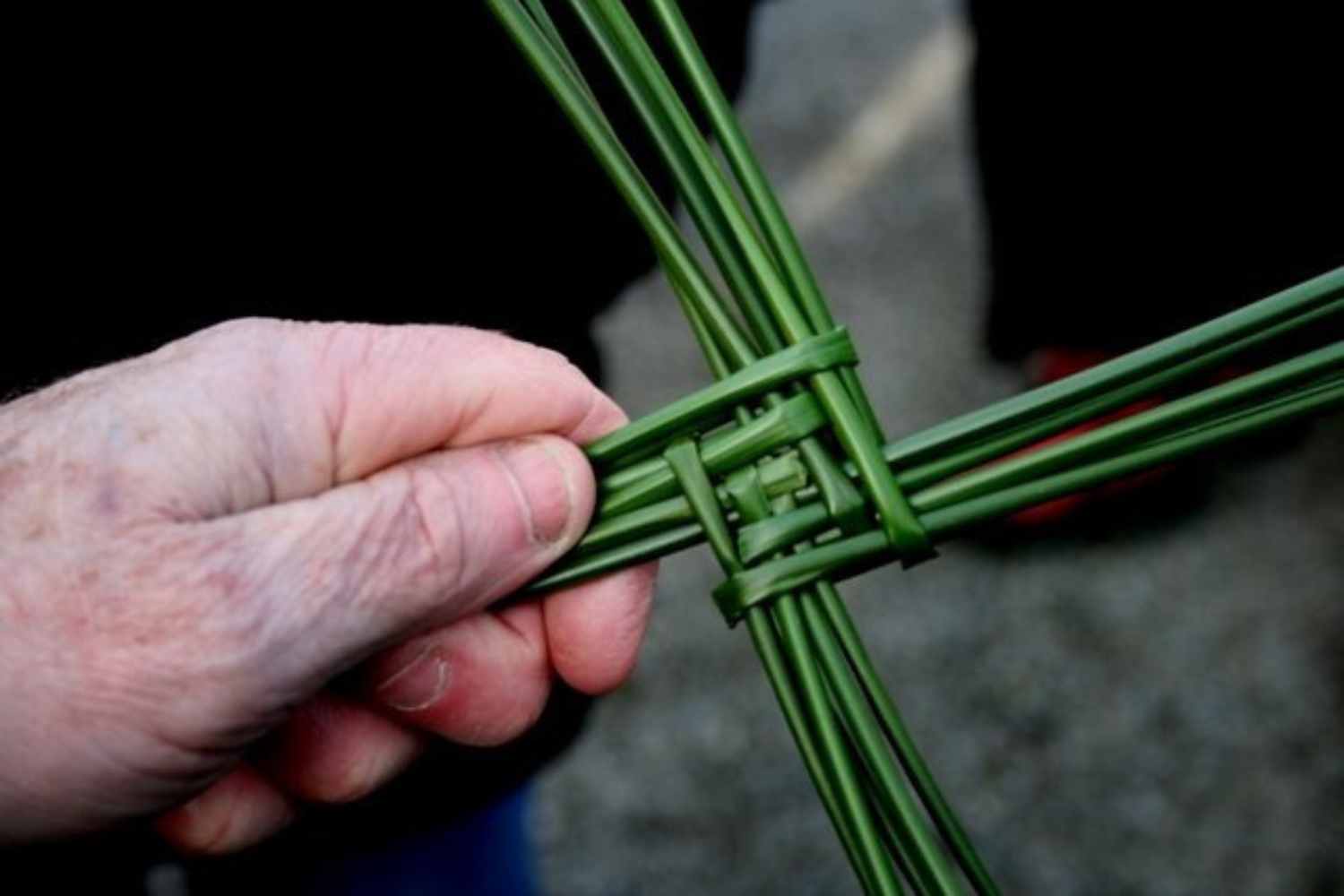
If you would like to get closer to the more concrete aspects of the tradition, you can participate in the workshops organized at the An Táin Arts Center in Faughart: on January 31st you will learn to weave the famous St. Bridget’s Cross using rushes, a symbolic gesture that still retains a strong identity value today.
Festivals and celebrations across Ireland
Alongside the walk, the island offers a full calendar of events. From Thursday 29 January to Monday 2 February, County Kildare will host Brigid 2026 – Spirit of Kildare, a festival dedicated to the saint who founded a convent in the area around 480 AD. The program includes concerts, dance performances, craft workshops, meetings on wellbeing and sustainability, as well as tributes to Irish women of yesterday and today.
The link with Imbolc, the Celtic festival of the beginning of spring which we will see later, is also very present in other cities. In Kilkenny, from 31 January to 3 February 2026, the Saint Brigid’s Festival Music & Arts will offer music, theater and manual arts.
View this post on Instagram
In County Roscommon, from 31 January to 6 February 2026, the St. Brigid’s Day Festival 2026 will offer visitors many activities dedicated to the Saint, including music, poetry, exhibitions and crafts.
View this post on Instagram
Who was Saint Brigida: between history, faith and Celtic myth
The origins of Saint Bridget are located in a “border area”, between the Christianity of the first centuries and the spiritual heritage of the Celtic world. Before the establishment of the new faith on the island, Brigid occupied a central place in the Irish pantheon as a deity of the Tuatha dé Danann, linked to healing, fire and poetry.
As time passed, the profile of the goddess and that of the saint ended up overlapping, until they merged into a single figure, celebrated on February 1st, a day that coincides with Imbolc, the ancient festival of the return of light and the beginning of spring. Two identities, one female icon, capable of embodying strength, rebirth and continuity.
In this intertwining, the historical figure of Saint Brigid of Ireland, also known as Brigid of Kildare, was born. Born in Faughart around 451 and died in Kildare on 1 February 525, she was a religious woman and abbess, as well as being considered, immediately after Saint Patrick, one of the main evangelizers of Ireland. His cult is recognized by all the Churches that admit the veneration of saints, testifying to a spiritual heritage that has transcended borders and centuries.
A saint not to be confused and a biography between reality and symbol
Saint Brigid of Ireland should not be confused with the later Bridget of Sweden, a well-known figure of medieval European spirituality. The Irish Bridget lived several centuries earlier and belongs to that category of characters who historically existed, but told through narratives full of symbols, legends and evocative images rather than through rigorous biographies.
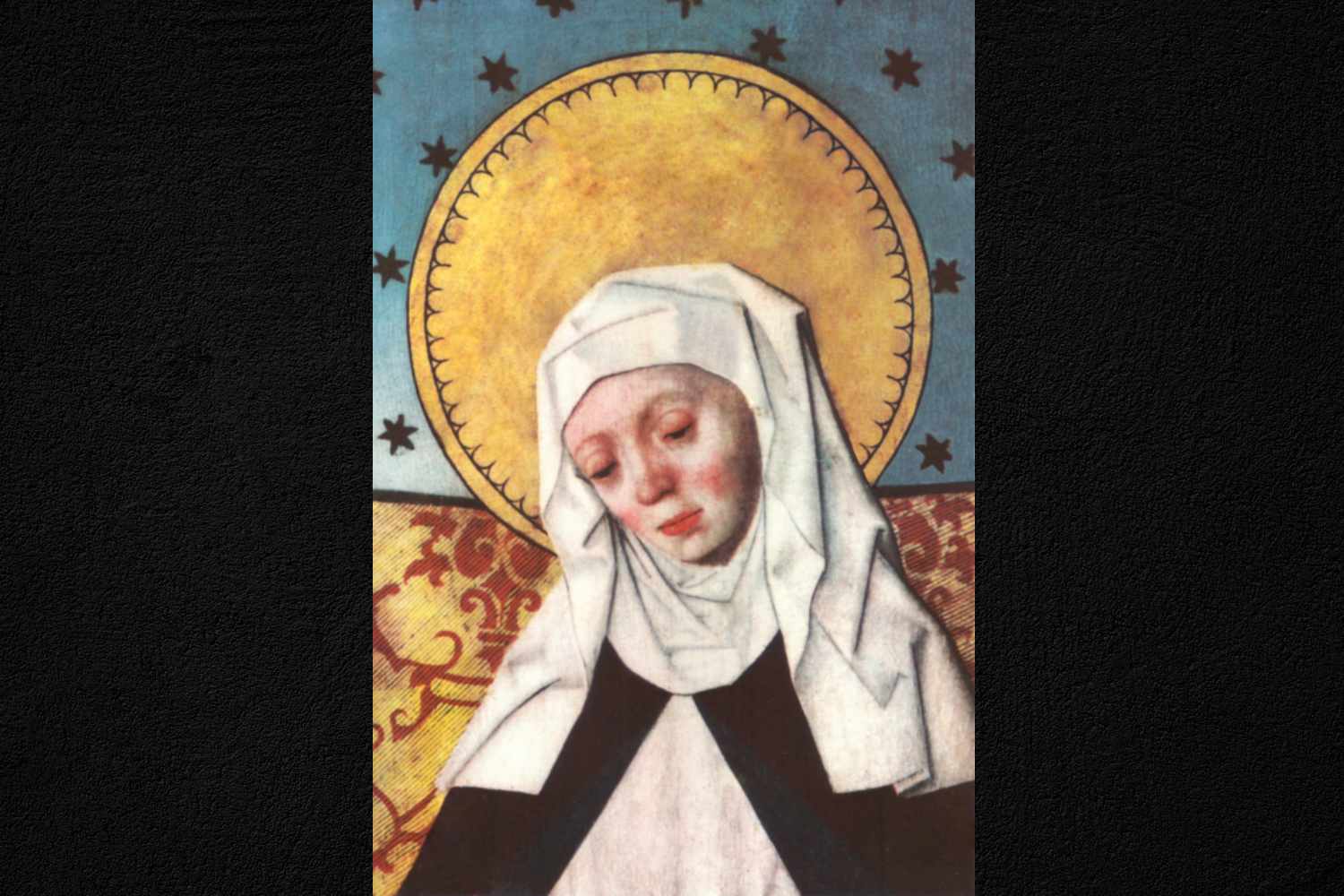
The fame of Saint Brigid of Ireland has spread thanks to hagiographic stories that have contributed to building her spiritual profile, making her a living presence in the Irish collective imagination. Even today she is considered the second patron saint of Ireland, next to Saint Patrick. The two, in all likelihood, never met, but Patrick’s example and work played a decisive role in the religious context that favored Bridget’s monastic vocation.
A testimony to the conversion of Ireland
The figure of Saint Brigida represents one of the most significant testimonies of the spirituality born from the conversion to Christianity of the Celtic populations who inhabited the island. His religious experience was part of a phase of radical change, during which the pre-Christian elements and the new faith ended up coexisting and influencing each other.
Together with saints Samthann, Íta and Moninne, Bridget is part of the small group of four Irish saints for whom there is a true hagiography, as it reinforces her central role in the religious history of Ireland and explains why her legacy continues to be reflected in every corner of the country, far beyond the idea of a simple devotional pilgrimage.
St. Bridget’s Day and the Feast of Imbolc
February 1st marks a key date in the Irish spiritual calendar, as Saint Brigid is celebrated on this day, although it has its roots in Imbolc, one of the oldest festivals of the Gaelic-speaking Celtic populations. Also known as Imbolic, Oimelc or St. Bridget’s Day, this occasion traditionally fell halfway between the winter solstice and the spring equinox.
According to the Celtic calendar, the celebration began already at sunset the previous day, since the day began with the setting of the sun. In Ireland, Imbolc – which means “womb” – symbolically marked the start of spring, a moment of awaited transition full of hope.
From the pagan festival to the Christian tradition
With the affirmation of Christianity, Imbolc was progressively assimilated to Candlemas. Since the pagan festival was placed under the protection of the goddess Brigid, the anniversary was transformed into the day dedicated to Saint Brigid, keeping the link with light and renewal intact.
A similar process also occurred in the Roman world, where the goddess Februa, identified with Juno, was celebrated on the calends of February. In contemporary neo-paganism, and in particular in the Wiccan tradition, Imbolc is one of the eight sabbats of the ritual year and is celebrated on 1 or 2 February, while in the southern hemisphere it falls in the month of August.
Even today, between Christian faith and Celtic memory, Saint Brigid’s Day continues to tell a story of passages, contaminations and rebirths, a profound mirror of Irish identity and the changes that have taken place on European territory over the centuries.
