
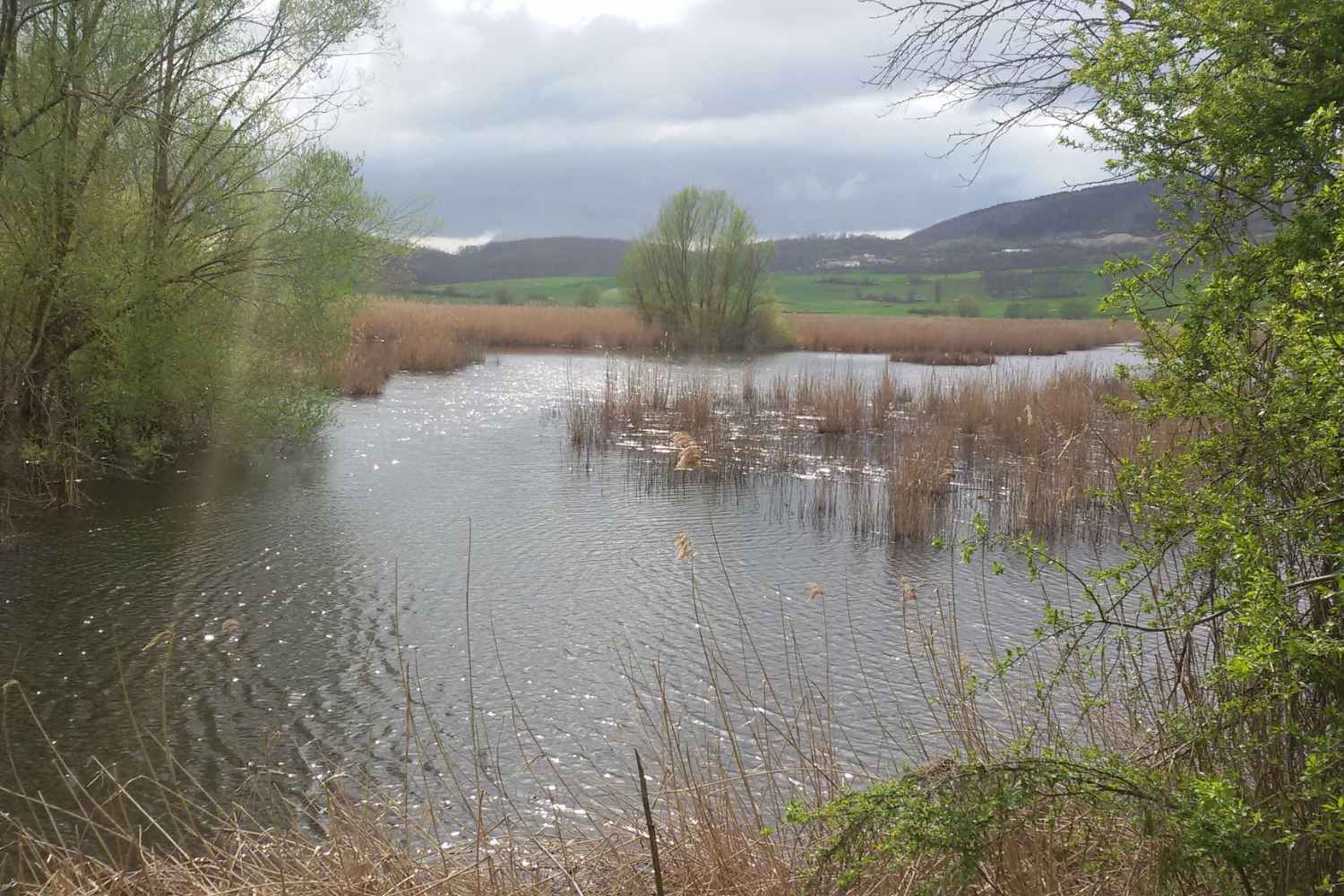
Fifty years after Italian ratification, 63 sites recognized, 81,091 hectares protected. On paper, Italy’s wetlands can boast an honorable placing: fourth in Europe for the number of Ramsar areas, on a par with Norway. Yet, behind the numbers celebrating the anniversary of the ratification of the international Ramsar Convention – it was 1976 – lies a more complex reality, made up of bureaucratic delays, lost habitats and declining species.
Environmental associations have been repeating it for some time: these ecosystems, among the richest in biodiversity on the planet, deserve very different attention. Not only because they are home to 40% of the world’s plant and animal species, but because they are concrete allies against the climate crisis. They store carbon, regulate water flows, protect against floods. Yet approximately 75% of Italy’s historic wetlands have disappeared, and 40% of freshwater and brackish water habitats are in inadequate conditions.
The map of Italian wetlands
Fifteen Italian regions host Ramsar sites. Tuscany leads with 11 recognized areas, followed by Emilia-Romagna with 10 and Sardinia with 9. Then Lazio and Lombardy (6 each), Veneto (4), up to the individual areas of Trentino-Alto Adige, Umbria, Abruzzo and Calabria. We are talking about lakes, swamps, peat bogs, lagoons: ecosystems ranging from the Orbetello lagoon to Lake Barrea, from the residual valleys of Comacchio to the Molentargius pond in Cagliari.
Three new Sicilian sites will be added shortly, bringing the total to 66. Only the United Kingdom (176 sites), Spain (76) and Sweden (68) are ahead of Italy in the European ranking. A result that Legambiente evaluates positively in its tenth report “Aquatic Ecosystems 2026”, but with heavy reservations. “The Ramsar Convention was an important reference”, explains Giorgio Zampetti, general director of the association, “but more effective actions are needed to protect ecosystems that are fundamental in adapting to climate change”.
The problem is twofold: on the one hand, approximately 6% of the wetlands surveyed by ISPRA do not fall within protected areas or Natura 2000 sites, remaining exposed to immediate risks. On the other hand, the Italian bureaucracy turns recognition into an odyssey: an average of 14 years pass between designation and publication on the Ramsar portal. A slowness that frustrates efforts and good intentions.
WWF alarm: species in decline
The WWF adds even more worrying data. 53% of terrestrial and inland water species protected by the Habitats Directive are in an unfavorable status. Amphibians are threatened in 38% of cases, freshwater fish in 48%, over 20% of birds nesting in wetlands are at risk. Added to this are threats such as widespread pollution, invasive alien species and lead ammunition poisoning, a problem for which Italy has not yet adopted adequate measures despite the European regulation.
“We must move from the sole objective of protection to active restoration”, underline the WWF, which has built its history on the defense of wetlands. The first Italian Oasis, Lake Burano in Tuscany, was born in 1966 to protect a threatened area. Today the WWF manages over 100 Oases, 11 of which are Ramsar sites, and relaunches: the European Nature Restoration Law can represent the necessary paradigm shift.
Proposals beyond rhetoric
Legambiente articulates seven proposals to the Government: more protected areas, regulatory integration, reduction of pollution, fight against degradation, multilevel planning, integrated climate mitigation plans, promotion of participation. Requests accompanied by virtuous examples already active: from the reference center for aquatic biodiversity in Piedmont to the Safe Lakes operation of the Coast Guard, to the Re Lake project.
This year the slogan of the World Day – “Wetlands and traditional flavours. Celebrating cultural heritage” – reminds us that these ecosystems intertwine ecological values, local traditions, archeology and spirituality. A multilevel approach that takes into account ecological processes and social practices becomes necessary, especially considering that 22% of the world’s total wetlands, over 400 million hectares, have been lost.
During the weekends of January 30-February 1 and February 6-8, around 60 events in 16 regions will involve citizens and local administrations. Guided tours, birdwatching, walks between peat bogs and lakes: initiatives to raise awareness of ecosystems which represent, as Stefano Raimondi of Legambiente points out, “a critical challenge that requires long-term actions and widespread awareness”.
