
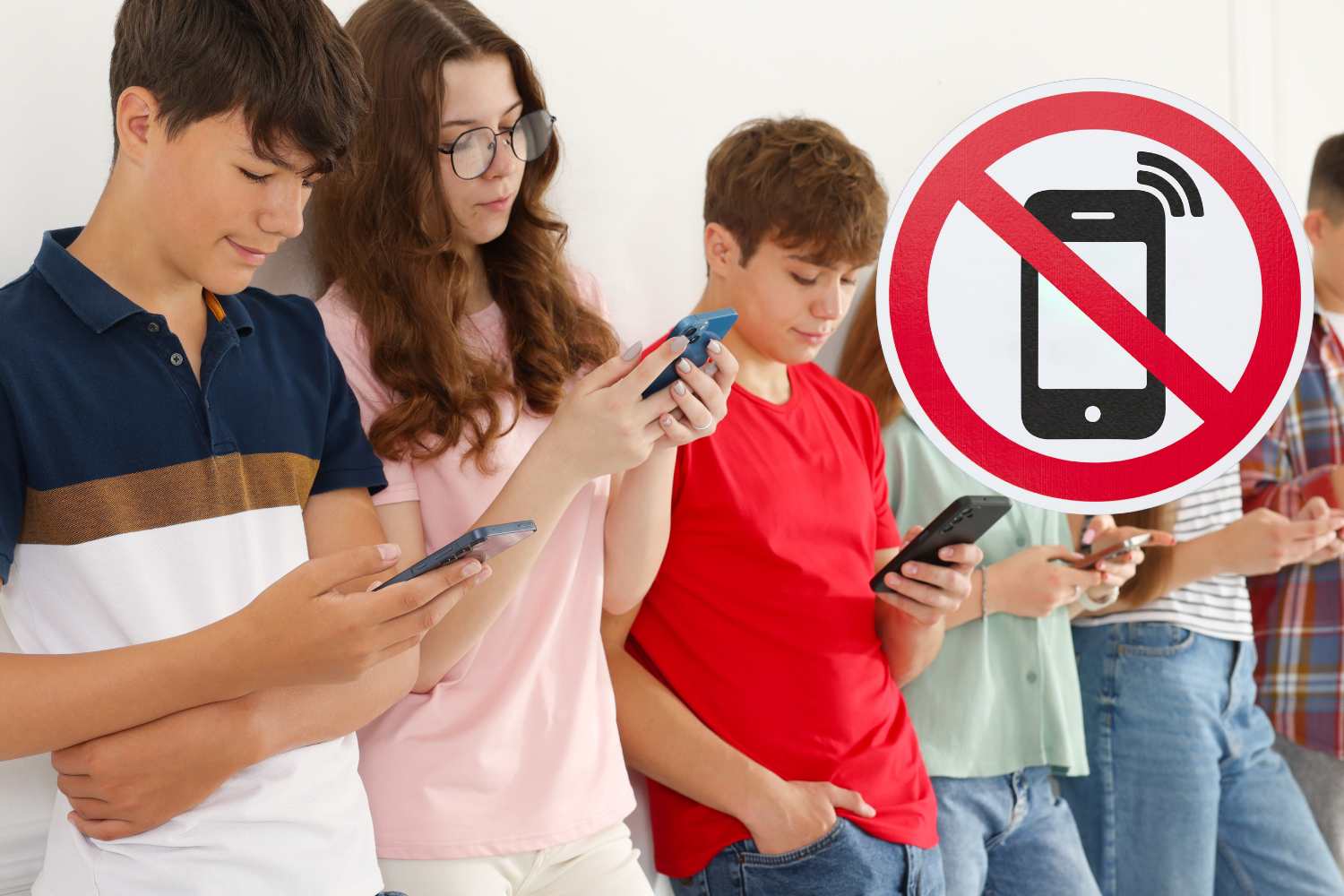
There Spain is preparing to introduce a prohibition of access to social networks for minors under 16 years of agemarking a possible turning point in the European debate on the protection of young people online. The announcement came from the prime minister Pedro Sanchez during the World Government Summit in Dubai, where he defined digital platforms as a . The declared objective is to put an end to what Sánchez called a real “Digital Wild West”regaining control of the situation.
Social media has become a failed state.
If we want to protect our children there is only one thing we can do: take back control.
The social ranks have been converted into a failed state.
If we want to protect our children, we only have one option: regain control. pic.twitter.com/1MvCNxiLys
— Pedro Sánchez (@sanchezcastejon) February 3, 2026
Age verification and liability of platforms
The provision is part of a package of five measures that the Spanish government intends to bring to Parliament. At the core is the obligation for platforms to adopt effective age verification systemsgoing beyond purely declarative mechanisms. Alongside this, Madrid wants to strengthen the legal responsibility of managers of technology companies in the event of the diffusion of illegal or hateful contentintroducing harsher sanctions and tighter control over algorithms.
Algorithms under observation
Among the most innovative proposals is the qualification as crime of algorithmic manipulation aimed at amplifying illegal or violent content. The government also aims to create a system for measuring“mark of hatred and polarization”useful for monitoring the social impact of platforms. Collaboration with the judiciary is also envisaged to evaluate any violations by large digital services such as TikTok, Instagram and Grok.
A signal for Europe
Spain’s choice does not come in isolation. THE’Australia it was the first country in the world to introduce a general ban on social media for under 16s, imposing stringent obligations and millionaire fines on the platforms. In France a similar law for children under 15 is under discussion, while in United Kingdom the topic has long been at the center of political debate. Even in Italy the debate is open, but an official position is still missing.
Real protection or symbolic ban?
Madrid’s move could push other European countries to follow the same path, accelerating towards one stricter regulation of digital. However, a crucial question remains: the ability of these bans to translate into one concrete protection of minorswithout turning into a continuous chase between rules and technological shortcuts. The challenge, for Spain and for Europe, will be precisely this: finding a balance between security, digital rights and platform responsibility.
