

Putting romantic rhetoric into the background for a moment allows us to observe the anniversary from another perspective: that of consumption. In particular of daily, invisible consumption, which we rarely associate with the idea of a “gift” but which has a concrete impact on the environmental impact of our habits.
The point is not to choose a “green” object to ease our conscience, but to ask ourselves how much what we buy contributes to reducing structural waste: energy consumed needlessly, disposable materials, products designed to break or become obsolete quickly. It is in this gray area that a significant part of the ecological transition takes place, much more than in symbolic gestures.
Just think of manual toothbrushes: in Italy alone, around 200 million are thrown away every year, almost all destined for landfills or incinerators because they are made of mixed materials. Disposable razors follow the same pattern, with billions of pieces produced for a few weeks’ use. Even cheap hairdryers, often equipped with obsolete motors, consume more energy than necessary for years before turning into electronic waste.
More efficient devices designed to last are not the definitive solution, but they move the bar: fewer replacements, less waste, less energy wasted over time. With this interpretation, some “unromantic” gifts begin to make much more sense than they seem.
The best Valentine’s Day gifts chosen for you
Laifen Wave Electric Toothbrush (Aluminum)
The Laifen Wave electric toothbrush is an excellent alternative to traditional manual plastic toothbrushes, which should be replaced every three months. During the promotion it costs 69.99 euros instead of 99.99 euros (30% discount and 30 euros saved) and promises to last for years thanks to the aluminum body designed to withstand daily wear and tear.
Included you will also find three interchangeable heads, which do not contain copper components (a material that can oxidize in the long term): Gum Care for sensitive gums, Super-Clean for daily cleaning and Ultra-Whitening to remove surface stains.
Laifen Mini – High speed hair dryer
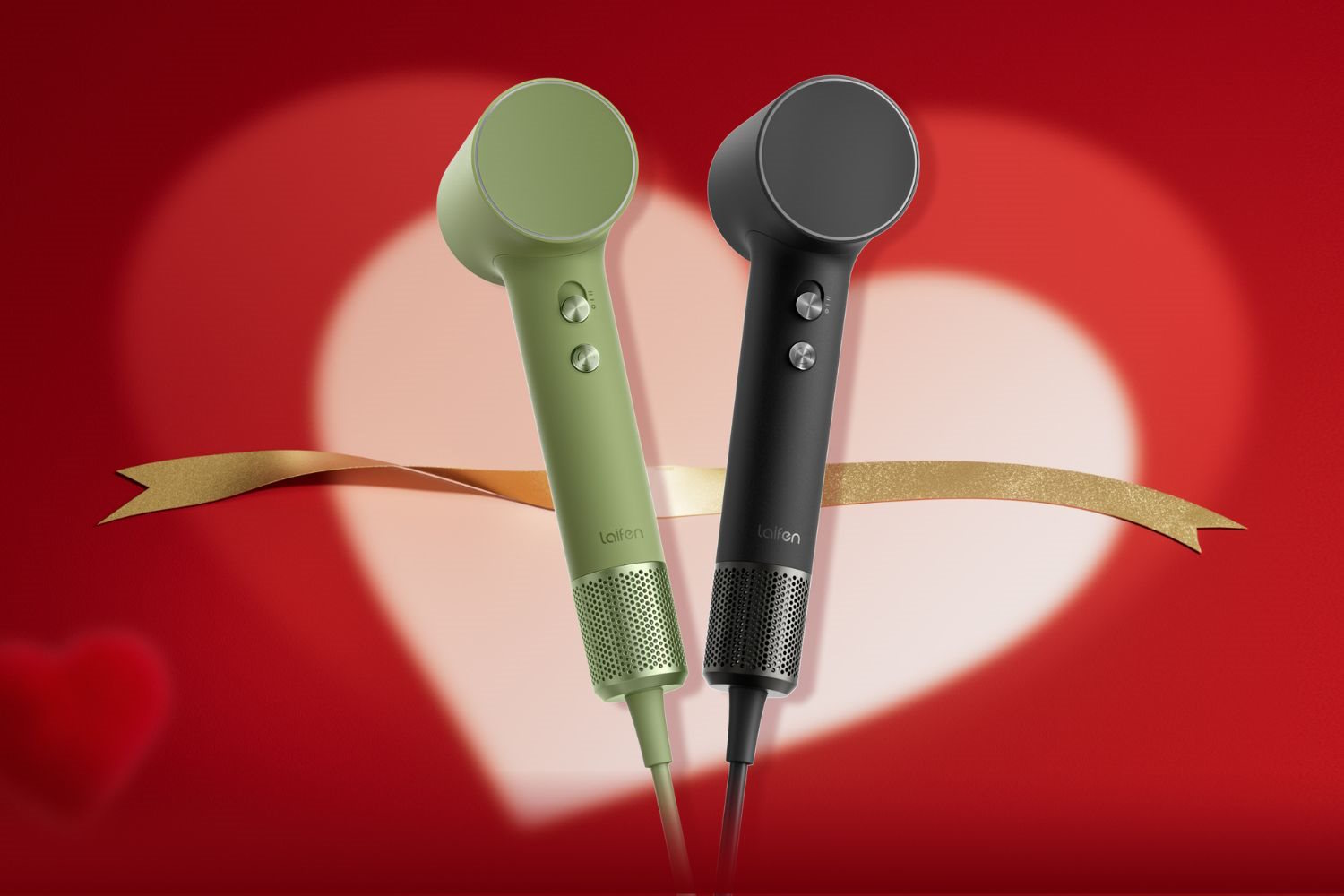
The Mini hairdryer, available in green, is another really interesting choice for anyone who wants to reduce drying times and electricity consumption. During the promotion it costs 79.99 euros compared to the list price of 129.99 euros (savings of 50 euros, equal to 38%).
Compared to traditional hairdryers, this model is 33% smaller and 27% lighter, weighing just 299 grams, which means compact design and the perfect travel companion.
The airflow optimization system concentrates heat where it is needed, so as to reduce waste. Drying your hair in less time means consuming less electricity with each use: over the course of a year, the difference becomes appreciable on the bill and on the overall environmental impact.
Laifen P3 Pro
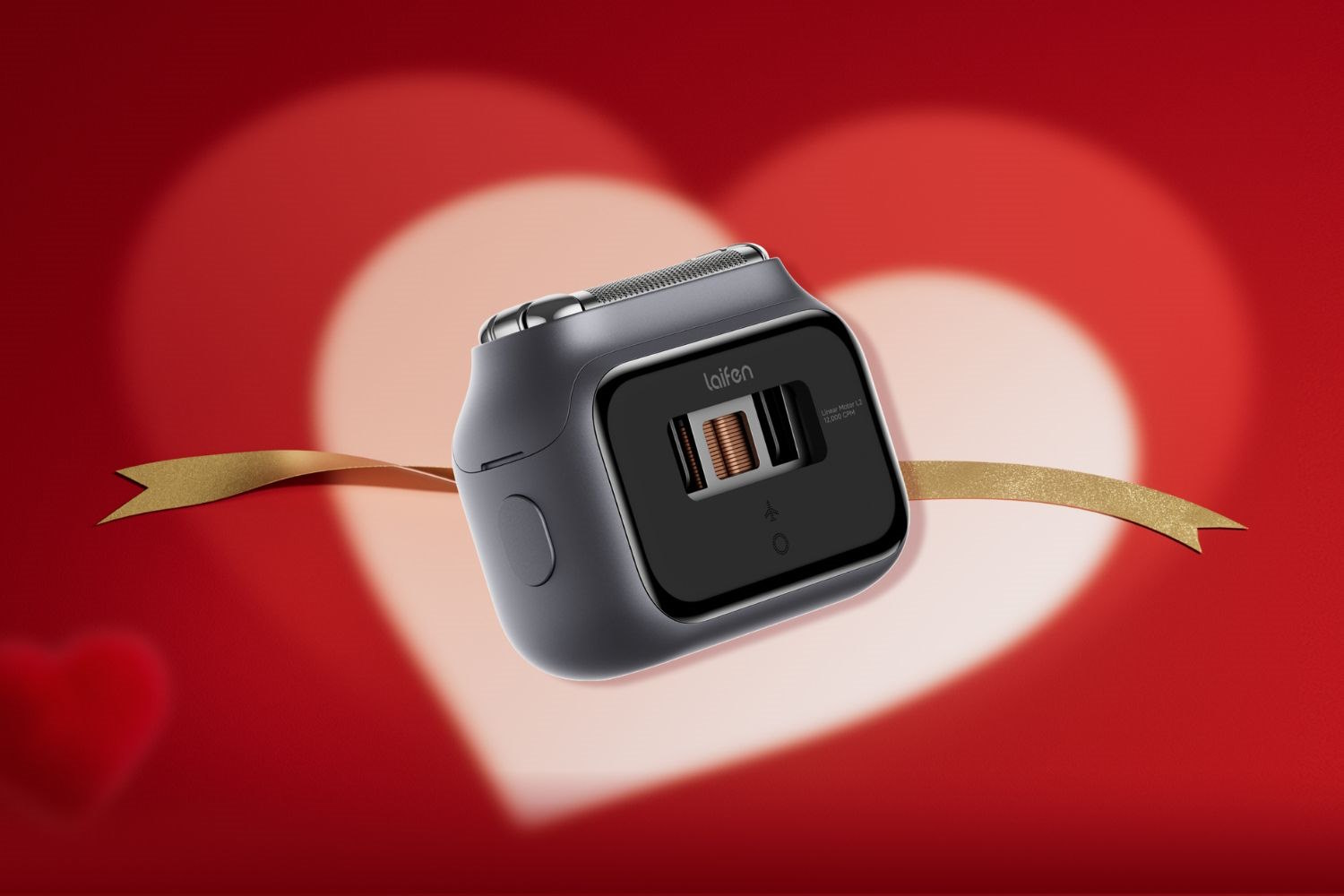
For those looking for a more traditional gift but with an eye on the environment, the P3 Pro electric razor in Space Gray is on offer for 169.99 euros instead of 199.99 euros. The high-performance linear motor ensures a precise shave that reduces the need for multiple passes. Fewer steps mean less wear on the blades and therefore a longer life of the product. Unlike disposable plastic razors, this model only replaces the heads when necessary.
Also in this case we are in the presence of a minimal design, very useful for traveling.
Laifen P3 Pro Electric Shaver Royal Blue Collection
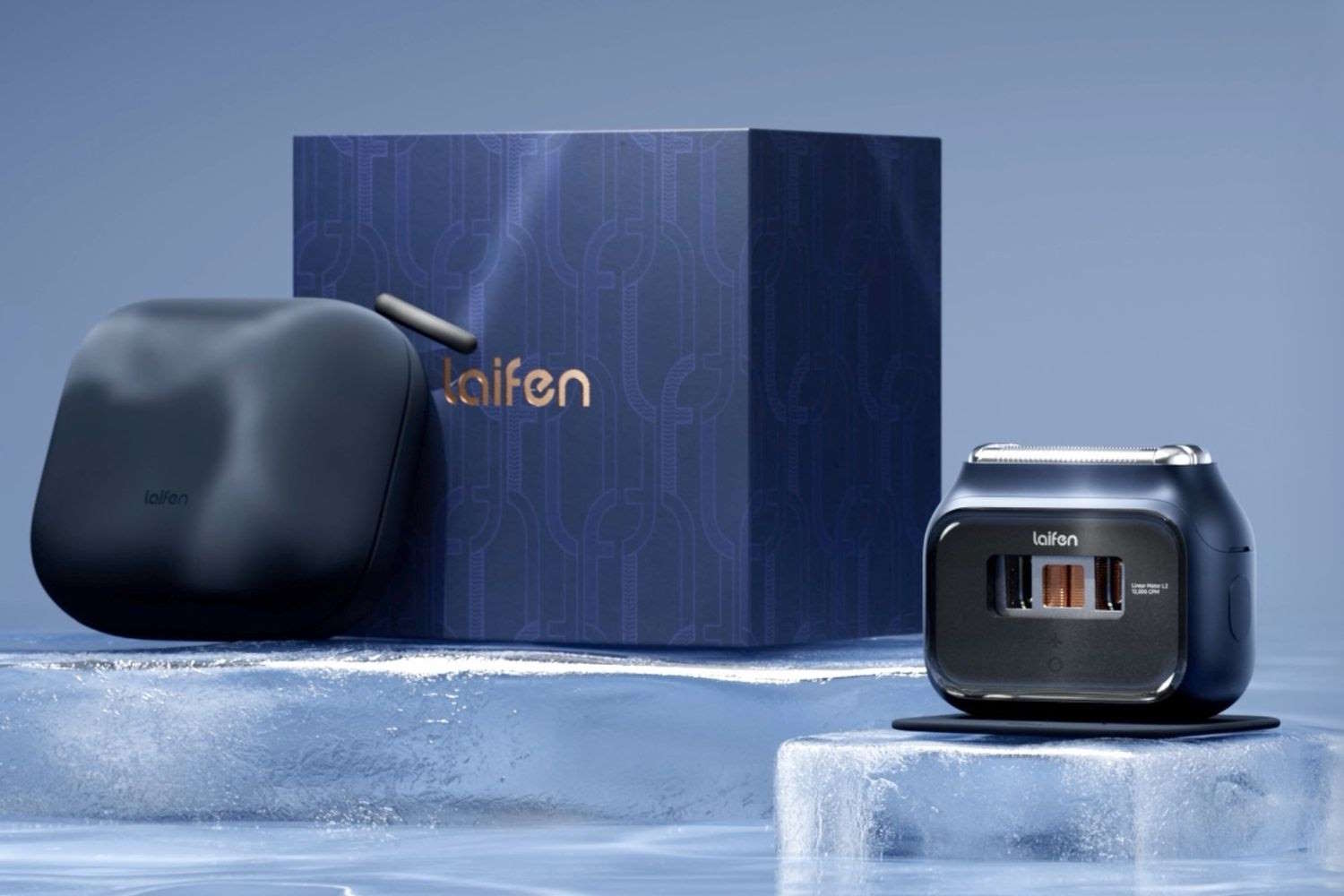
Laifen also offers the P3 Pro Royal Blue Collection for 239.99 euros (original price 249.99 euros, 4% discount) with the same technology as the Space Gray model: double-traction linear motor with 12,000 cuts per minute, low nickel content foil to reduce irritation and stainless steel blades that last up to a year and a half.
The CNC machined aerospace aluminum body with matte finish gives sturdiness to the device, which promises up to 10 years of use. The IPX7 certification allows shaving even in the shower and simplifies daily cleaning. The declared autonomy is 100 minutes with fast USB-C charging: three minutes of charging guarantee seven minutes of use, useful for those who forget to recharge the night before.
Thinking about Valentine’s Day gifts in these terms means moving the discussion from the single object to the system that produces and disposes of it. The problem is not so much what we give away, but how we have been accustomed to consuming: little, poorly and often without seeing the downstream consequences.
In a context in which environmental responsibility is still too often placed on individual behaviour, choosing more durable and efficient products cannot and must not be the definitive solution. Without more stringent rules on product design, repairability and end-of-life, the risk is to continue replacing obvious waste with less visible waste.
That said, any choice that reduces the volume of waste, wasted energy and the frequency with which we are forced to repurchase the same items remains a step in the right direction. Even – and perhaps above all – when it comes to gifts.
