
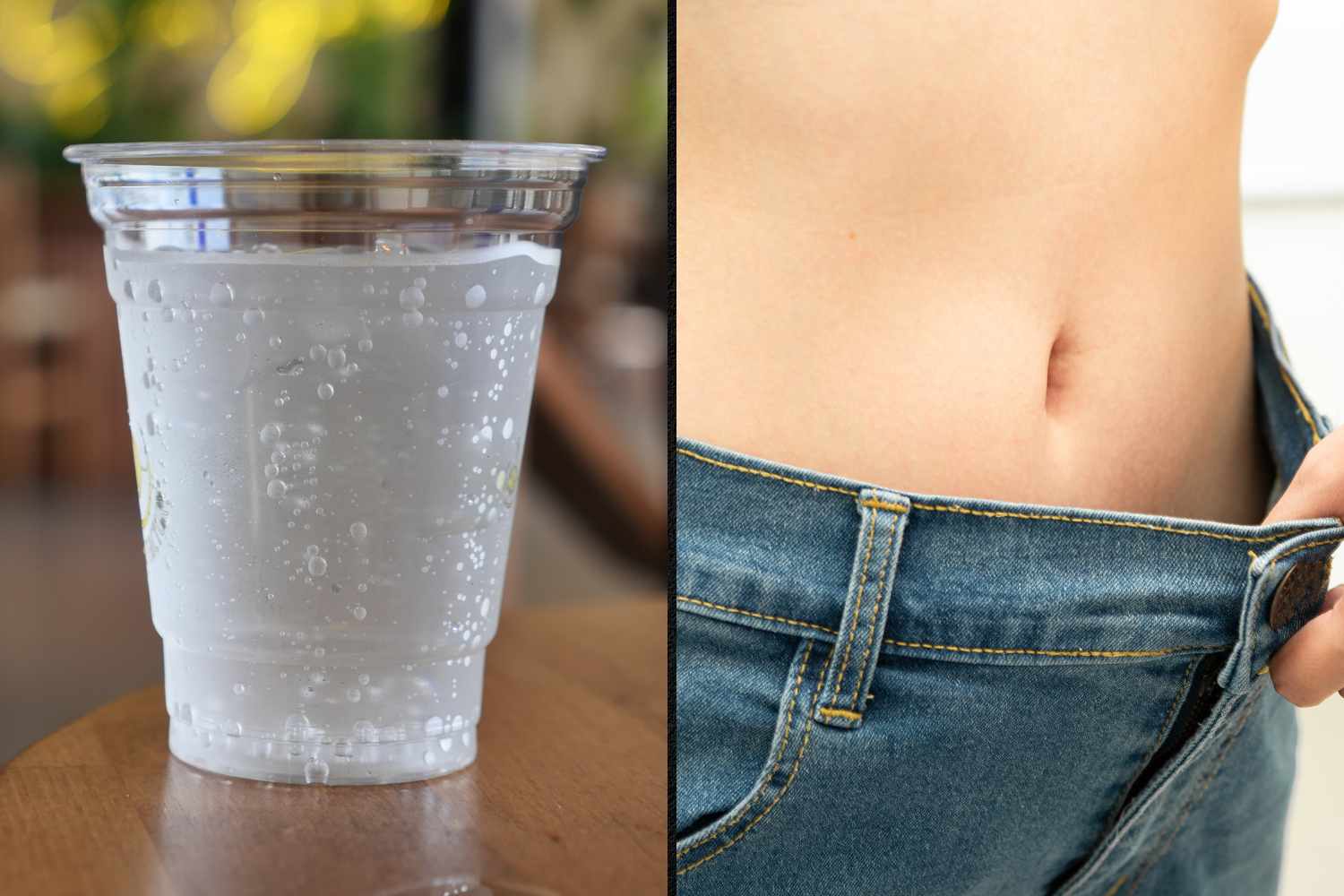
Can sparkling water support weight loss? The question was relaunched by a Japanese research published in BMJ Nutrition, Prevention & Health, and has rekindled a debate that has never really died down, which regularly returns when it comes to diets and eating habits. The answer was given by Matteo Bassetti, a medical-scientific communicator that everyone knows by now, who invites us to read the data with balance: sparkling water does not produce miraculous effects, and must not be demonized.
Akira Takahashi’s studio
The work of researcher Akira Takahashi hypothesizes a possible link between the carbon dioxide contained in sparkling water and some metabolic processes linked to glucose. According to Takahashi, CO₂ could influence, albeit modestly, mechanisms similar to those observed in clinical contexts such as dialysis. We will return to the study later, trying to illustrate the key steps that determined it.
The seven benefits according to Bassetti
Bassetti has identified seven reasons why sparkling water can represent a smart choice, which we report below:
- Contributes to weight management
- Promotes glucose metabolism
- Increases the sense of satiety
- Reduces consumption of sugary drinks
- Improves hydration
- Supports digestion
- It is an economical and sustainable choice
The reality of the facts: no miracles
“We are not talking about a magic wand” specifies Bassetti to Corriere della Sera. “Sparkling water doesn’t make you lose weight on its own. But it can be a little support in a healthy lifestyle.” Takahashi’s study suggests that if CO₂ influences glucose absorption in dialysis circuits, minimal effects could occur even from drinking carbonated water. “If in that context carbon dioxide affects the absorption of glucose, it is plausible that a minimal effect could occur here too. However, we are talking about modest variations, not clinically revolutionary results”
Concrete effects on satiety
According to Bassetti, more tangible benefits can be found on the feeling of satiety: “The bubbles distend the stomach and increase the feeling of fullness. If I drink sparkling water before a meal, I might feel full sooner and eat less. It doesn’t apply to everyone, but it can help.”
Behavioral and cultural impact
Making water more enjoyable helps you avoid sugary drinks. “There is no comparison between a soda full of sugar and sparkling water,” underlines the expert. “Zero” drinks are not an ideal solution for metabolic and dental health. Bubbles in the water allow you to enhance a simple choice without introducing calories.
Hydration and digestion
The message on hydration is clear: if the bubbles encourage you to drink more, the result is positive. Some people may benefit digestively, as carbon dioxide appears to promote intestinal motility.
Sustainability and home economics
A domestic carbonator allows you to use tap water, which is good in many Italian cities, reducing waste and plastic. In this way, the daily gesture becomes more economical and sustainable.
Precautions for those suffering from gastrointestinal disorders
Bassetti highlights a fundamental recommendation: those suffering from reflux, ulcers or irritable bowel syndrome must pay attention. In these conditions, sparkling water can make symptoms worse.
The final message
The expert’s conclusion recalls common sense: “Water is a very simple tool that can provide benefits. There is no need to become Americanized by filling shopping carts with soda. Sometimes the best choice is also the most basic.”
Small insight into Takahashi’s study
The study conducted by Professor Akira Takahashi, head of department at the Tesseikai Neurosurgical Hospital in Shijonawate (Japan), published on 21 January 2025 in BMJ Nutrition, Prevention & Health, starts from an observation made during hemodialysis sessions: during the treatment the blood comes into contact with solutions containing carbon dioxide, and the result sees the patients’ blood sugar drop on average from 118.3 mg/dL to 98.6 mg/dL, despite the glucose concentration in the dialysate being approximately 105 mg/dL.
The mechanism behind this reduction involves red blood cells: when CO₂ is absorbed into the bloodstream, the enzyme carbonic anhydrase converts it into bicarbonate ions. This process makes the intracellular environment more alkaline, which stimulates anaerobic glycolysis and promotes greater absorption of glucose from the plasma into the red blood cells.
Professor Takahashi hypothesizes that a similar, albeit much smaller, effect may occur when drinking sparkling water: CO₂ enters the blood vessels of the stomach, triggers the production of bicarbonate and temporarily accelerates glucose metabolism. The author himself underlines, however, that the extent of this effect is too small to translate into a truly significant weight loss, and that carbonated water certainly does not represent an independent solution for losing weight. The invitation is to consider this mechanism as a possible marginal contribution within a broader approach that includes a balanced diet and regular physical activity.
