
When we talk about ultra-processed products, we immediately think of food, including packaged snacks, ready meals and sugary drinks, all foods that have undergone industrial transformations, enriched with additives, preservatives and substances that make everything more palatable but decidedly less healthy. We have learned to read food labels with suspicion, to check the list of ingredients, to be wary of what we don’t know.
In reality, our house is full of objects that we could define exactly as follows: synthetic materials, chemical coatings, substances that do not exist in nature but which were created in the laboratory to improve performance. The result? A domestic environment that can turn out to be more toxic than we imagine.
Non-stick pans and eternal pollutants
The kitchen hides some of the most subtle pitfalls. Non-stick pans, the ones we use every day to prevent the omelette from sticking, often contain the infamous PFAS (perfluoroalkyl substances). These molecules, defined as “eternal pollutants” due to their ability to resist in the environment and in the human body without degrading, have been linked to hormonal disorders, fertility problems and tumor risks. For example, PFOA, the perfluorooctanoic acid used for decades in the production of Teflon, has been classified as a possible carcinogen. It must be said that the short-chain alternatives that have replaced it show similar characteristics, given that, when the pan overheats or becomes scratched, these substances can migrate into the food. To give another example, studies have found traces of PFAS in the blood of 97% of Americans.
Baking paper, takeout containers and pizza boxes also often contain these compounds to make them resistant to grease. The solution? Pans in stainless steel, cast iron or certified ceramic, and for food packaging, glass or reusable steel is better.
Cheap furniture and formaldehyde
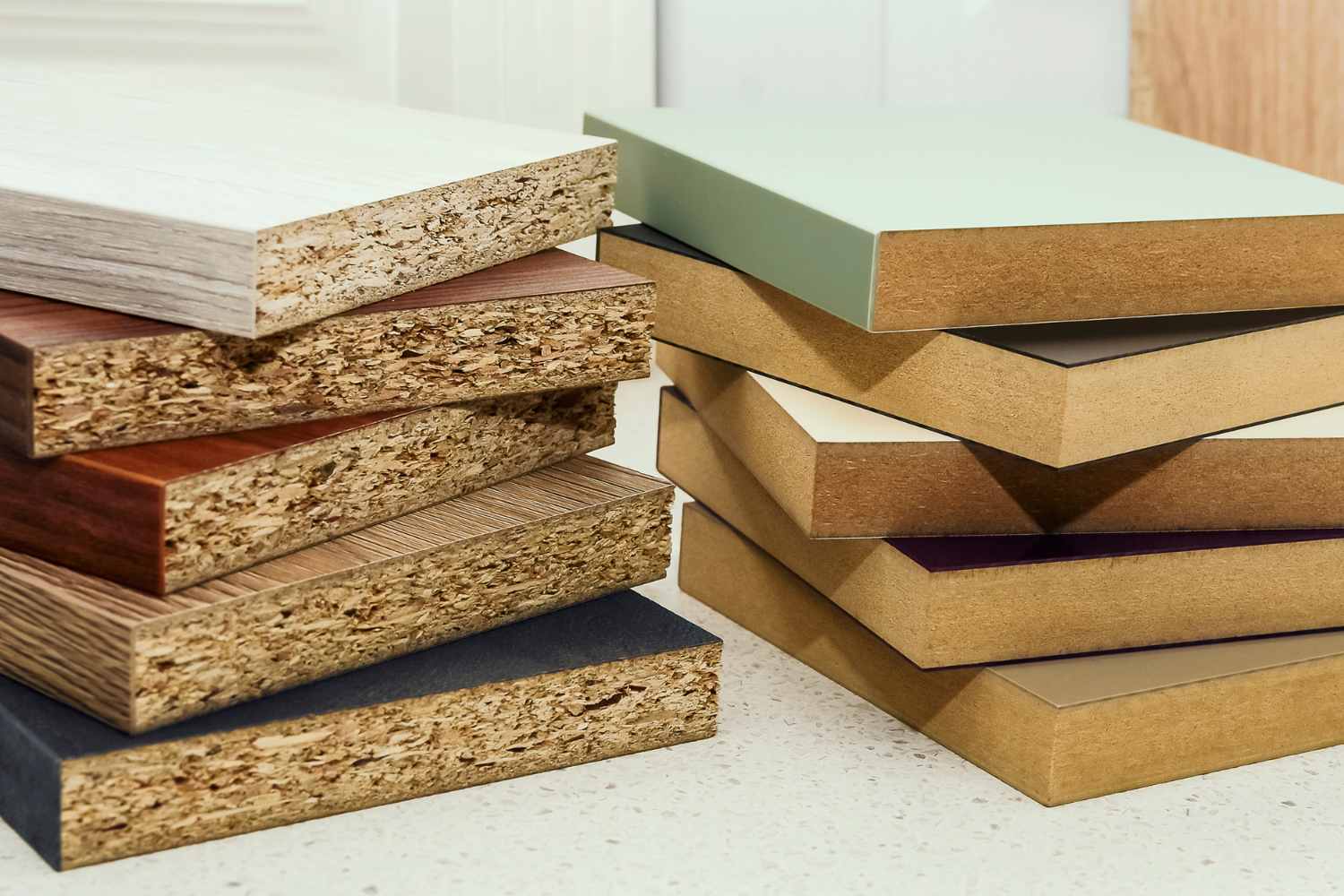
Cheap chipboard furniture, widespread since the 1970s, hides another problem: formaldehyde. This substance is used in glues that hold wood scraps together and can cause eye and throat irritation, breathing difficulties and even increase the risk of cancer. Formaldehyde is also found in some paints, coatings, and even cosmetics. The bedroom, where we spend a third of our lives, can become a gas chamber at low doses: mattresses, carpets and sofas often release volatile organic compounds (VOCs) and brominated flame retardants, substances added to make them fireproof but harmful to the endocrine system.
Treated fabrics: when the raincoat becomes a risk
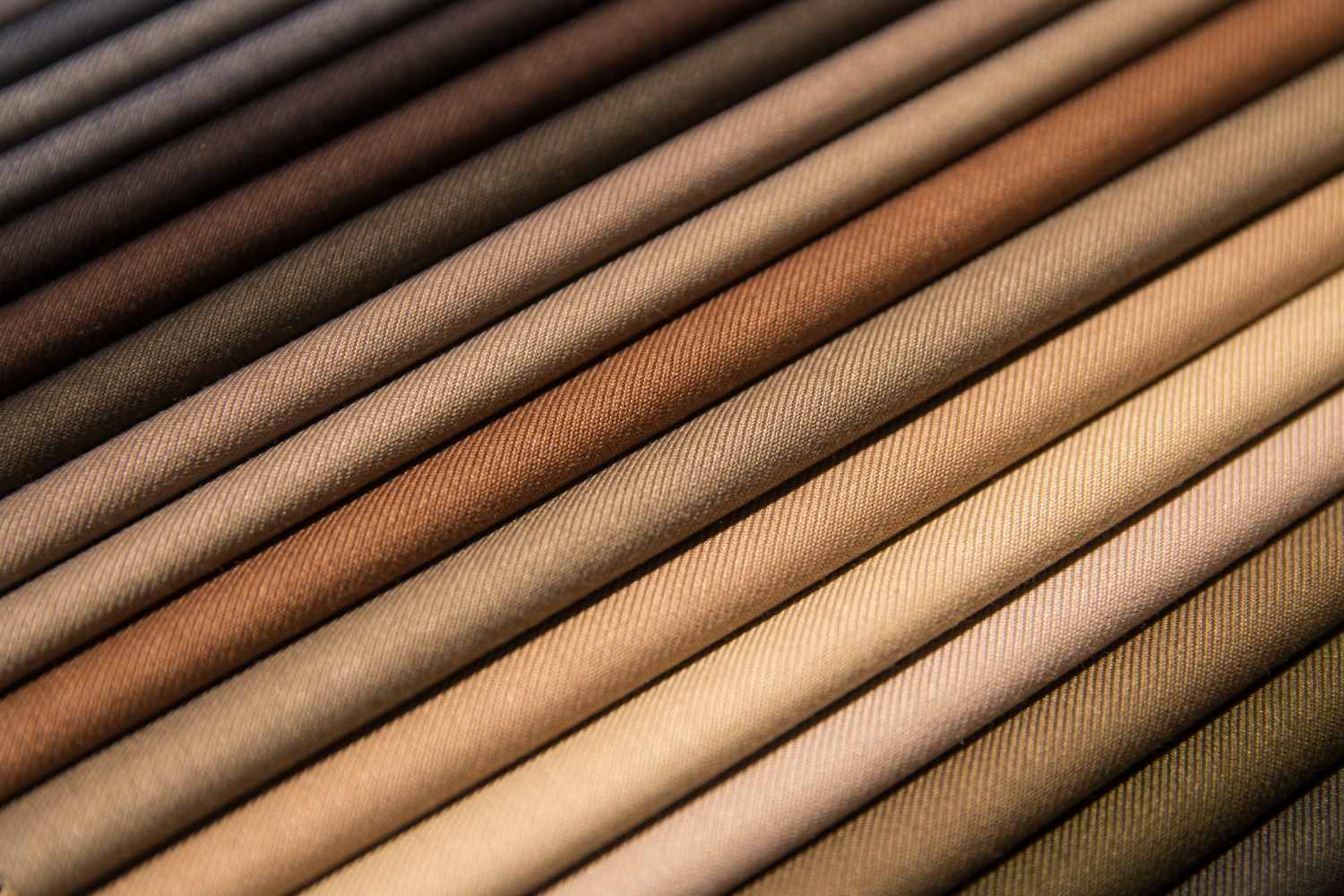
Fabrics deserve a separate chapter. That practical waterproof jacket, the stain-resistant carpet in the living room, the technical camping tents: many of these products owe their properties to PFAS. An investigation conducted by Toxic-Free Future (TFF) found these substances in 72% of tested fabrics labeled as water or stain resistant. Skin contact or inhalation of household dust can expose us to these compounds on a daily basis.
Detergents and deodorants: the invisible pollution of domestic air
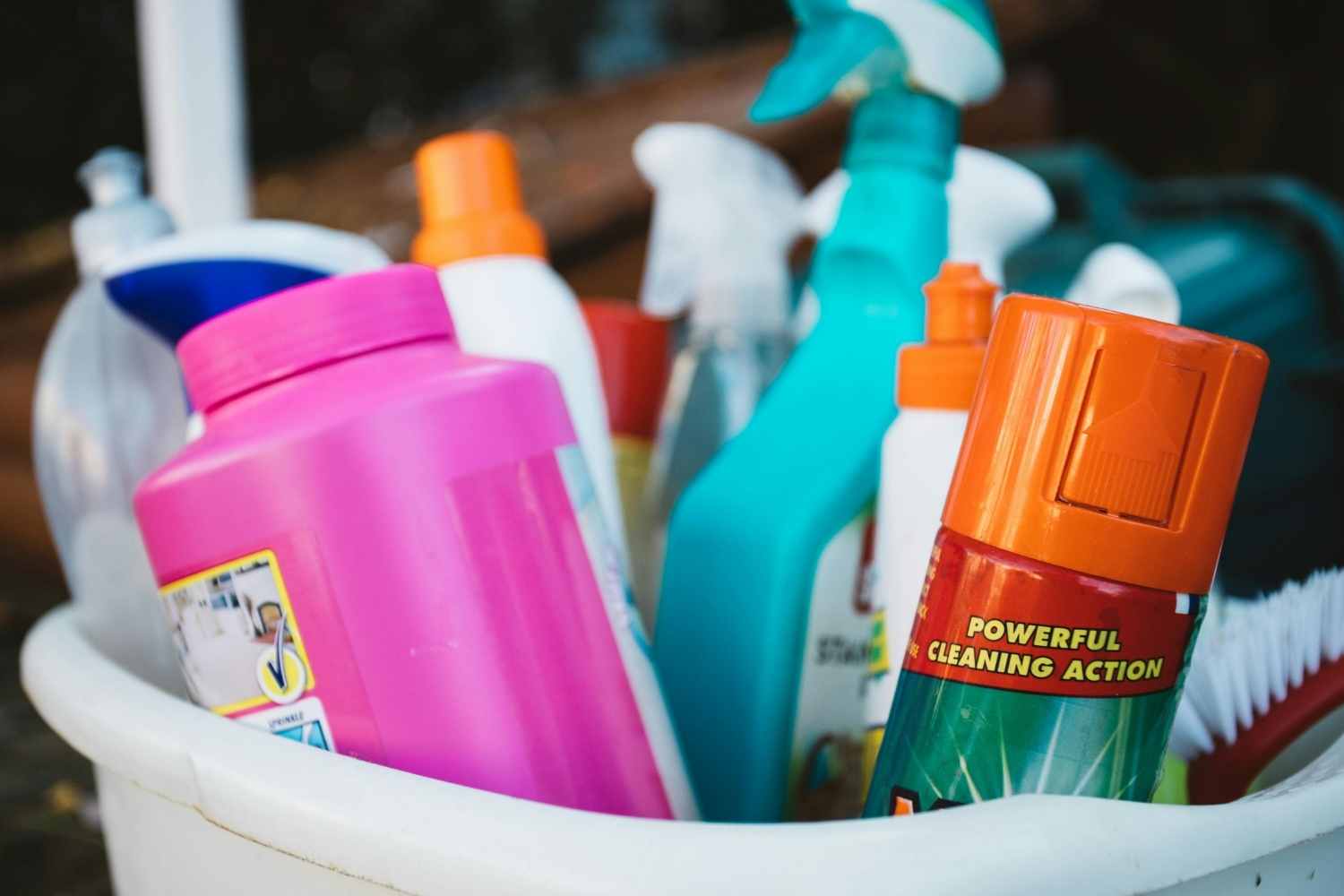
Cleaning products represent another critical front. Bleach, ammonia and harsh detergents can release volatile organic compounds that worsen indoor air quality. Bleach, if mixed with other products (such as ammonia), can even release toxic gases. Some detergents still contain formaldehyde and/or borax, substances which, in addition to being irritating, can interfere with the hormonal system. Air fresheners, then, promise heavenly scents but often release irritating and allergenic substances, some even suspected of being carcinogenic.
Cosmetics and personal care: toxic to the skin
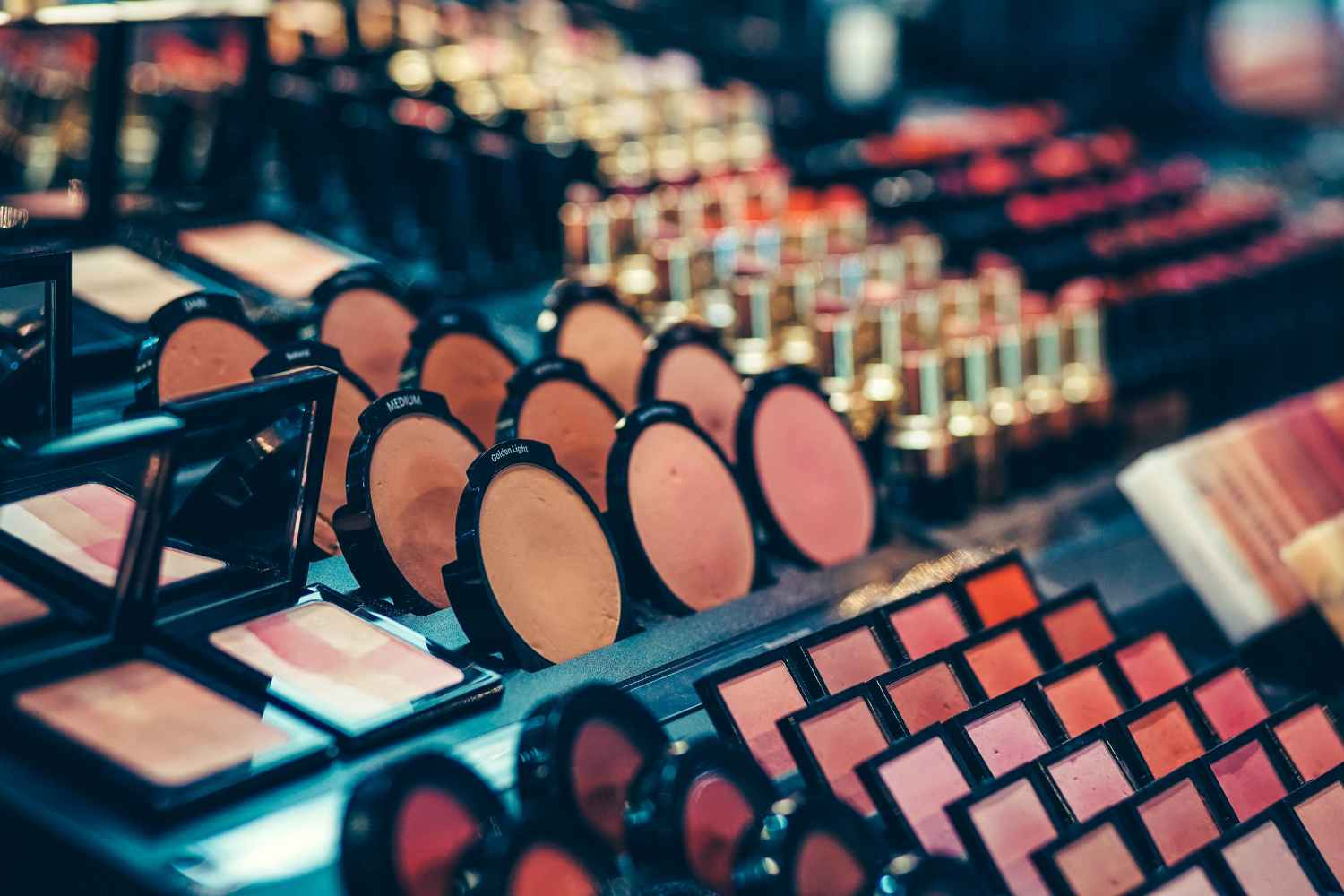
Even cosmetics are not risk-free. Creams, waterproof mascara, nail polish and lipsticks may contain PFAS to ensure long life and resistance. Absorbed through the skin, these compounds enter directly into the bloodstream. For example, phthalates, plasticizers used in many hair products and perfumes, have been linked to diabetes and fertility disorders, as well as possible developmental changes in children.
How to protect yourself from domestic pollution
Reducing exposure to these substances does not mean giving up comfort. It is simply a matter of making more conscious choices: preferring natural materials, reading labels, airing rooms often, replacing chemical detergents with natural alternatives such as vinegar and bicarbonate, choosing cosmetics certified free of PFAS. Small measures which, multiplied for each room and each object, can make a huge difference.
The home should be the safest place we have, but if we don’t pay attention, it risks turning into an involuntary chemical laboratory, where we live every day with substances that accumulate silently in our body. Perhaps the time has come to rethink not only what we eat, but also what we surround ourselves with.
