
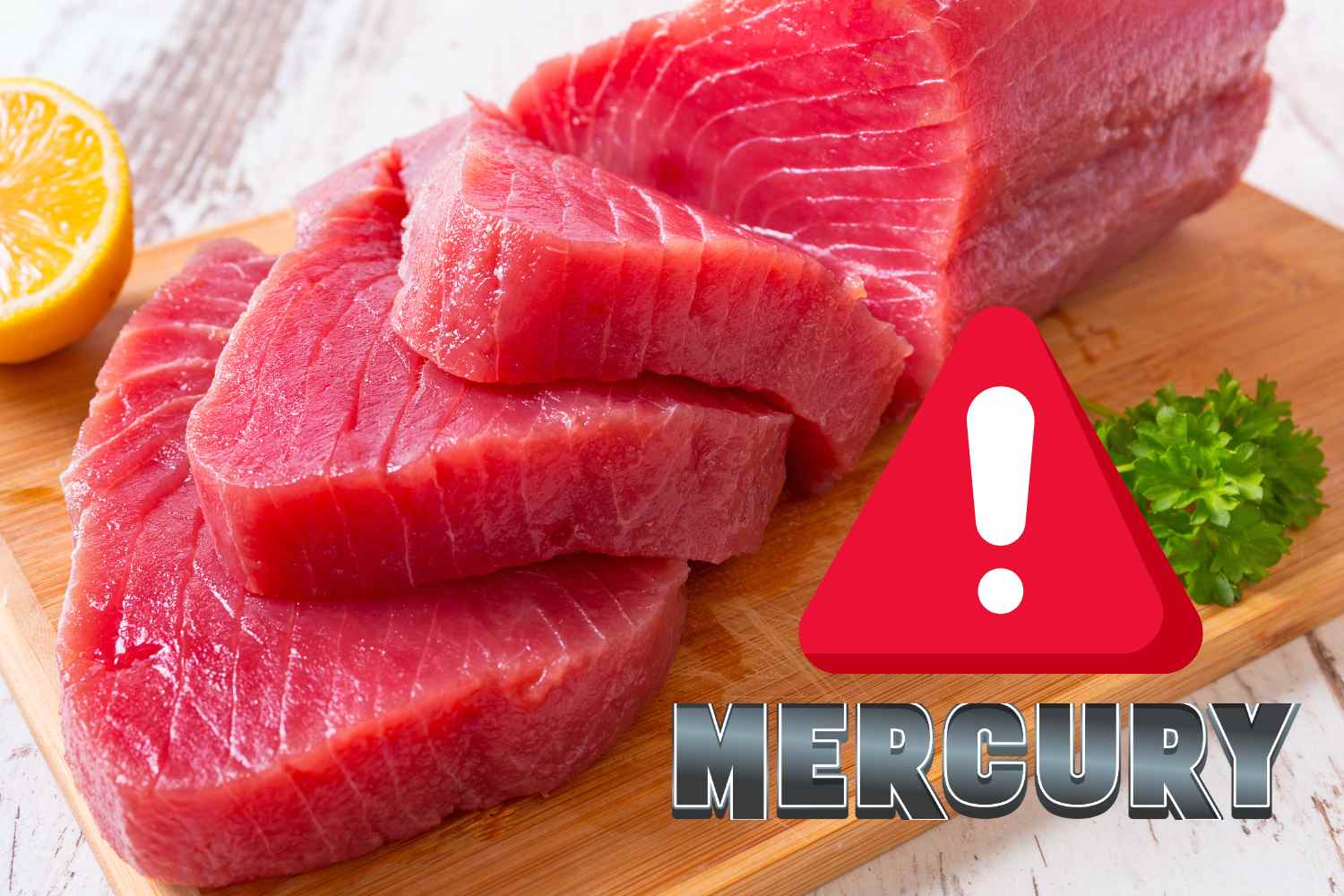
In recent years the issue of mercury in tuna has increasingly come to the center of attention, all over the world. The concern particularly concerns levels of methylmercury, a toxic form that can accumulate in fish tissues and have harmful effects on human health.
Now, a new study conducted in Poland takes stock of heavy metals not only in tuna but in many other fish we consume regularly, providing updated data on the risk for consumers.
The fish analyzed
The researchers examined 20 fish species commonly available on the Polish market including herring, cod, salmon, sea trout, trout, tuna, halibut, sole, dab, mackerel, hake, sea bream and perch. Some species were caught directly in the Baltic Sea, while others were purchased in local markets in 2021 and 2022.
For each type of fish, at least 10 samples were analyzed, and for each one the concentrations of cadmium (Cd), lead (Pb), total mercury (THg), methylmercury (MeHg) and inorganic arsenic (iAs) were measured, in order to assess the risk to consumer health.
The good news is that almost all species show reassuring values, well below the limits established by European and international regulations. The presence of heavy metals is minimal and does not represent a danger for those who regularly consume these fish products.
The tuna problem
The situation changes drastically when it comes to tuna. This species has average total mercury (THg) concentrations of 0.919 mg/kg, close to the maximum allowable limit of 1 mg/kg, with some samples even reaching 2.28 mg/kg. The most alarming data concerns methylmercury (MeHg), the most dangerous form for the human organism, which in tuna reaches average levels of 0.684 mg/kg, much higher than all the other species analyzed.
The risk indices calculated by the researchers show THQ values (indicator used to estimate the risk of a chemical contaminant present in foods) for MeHg in tuna that exceed double the recommended safety threshold. This does not mean that tuna should be eliminated from the diet, but it clearly indicates the need to consume it in moderation.
Why does tuna accumulate more mercury? As is now known, the explanation lies in the position that tuna occupies in the marine food chain. Being a large and long-lived predator, it accumulates greater quantities of contaminants present in the aquatic environment over time. Mercury and other heavy metals, in fact, do not degrade easily and tend to progressively concentrate as they move up the food chain. Simply put: the larger a fish is and the longer it lives, the more toxic substances it accumulates in its tissues.
Marine pollution has different origins – from industrial activities to emissions – and heavy metals end up deposited in sediments and waters, then entering the food chain through small organisms which are then eaten by larger fish.
Who should pay more attention and how to defend themselves
Methylmercury is particularly harmful to the nervous system. The most vulnerable categories are: pregnant women (mercury can cross the placenta and damage the brain development of the fetus); breastfeeding mothers; children and adolescents, whose nervous system is still developing and people who consume tuna frequently and in large quantities.
Prolonged exposure to methylmercury can cause neurological problems, learning difficulties, memory and attention disorders, as well as possible motor and visual dysfunctions.
Based on the findings, the researchers emphasize that tuna consumption should be moderate. Alongside this specific indication, there are also some good practices generally recommended by experts to continue to benefit from the nutritional properties of fish by reducing exposure to contaminants, such as varying the species consumed, favoring small fish and carefully choosing products based on their origin and certifications.
According to the data collected, over the last ten years the presence of heavy metals in fish has remained substantially unchanged, without general worsening. The only exception concerns mercury in tuna, which confirms its status as a species to be kept under observation.
This underlines the importance of continuing monitoring and raising consumer awareness towards more informed food choices.
