
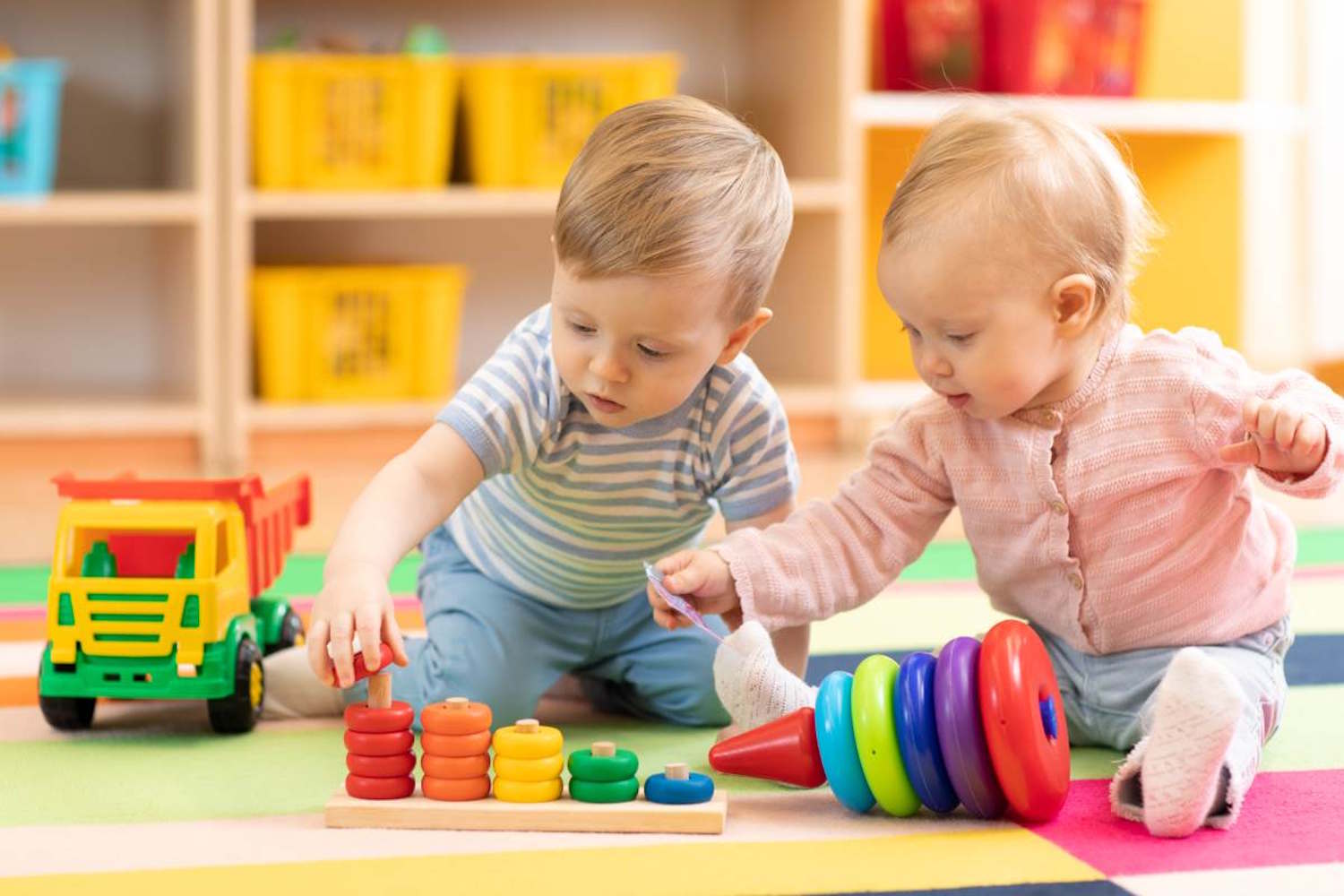
Free nursery schools to allow mothers and fathers not to abandon work. It happens in Settimo Torinese, where a far-sighted mayor has decided to focus on welfare to improve the quality of life of its inhabitants and to increase the development of the city.
In practice, the rates requested by the Municipality will be reduced to a minimum and families will have to pay a fee corresponding to the reimbursement of the nursery bonus, 327 euros per month. In fact, therefore, nothing.
Settimo Torinese is (once again) a laboratory in Piedmont. It will be the first city not to make parents pay for a nursery place (90%). I’ve been working on it for years, but I don’t stop here: I aim to eliminate the fees even for those with a high ISEE, writes the mayor Elena Piastra on social media.
Who is entitled to free nursery school?
From September, the measure will affect 92% of the 160 members. For now, the measure will apply to those with an ISEE of up to 28 thousand euros.
In any case, this is the majority of the population of Settimo, where the average annual income is 15 thousand euros. But, in any case, help will also come to the wealthiest families: those with an ISEE up to 32 thousand euros will pay 123 per month (instead of the current 293), over 32 thousand will pay 203 euros (instead of the current 303).
For now, essentially, according to the new measures, only 8% of families with a high ISEE will pay.
The issue of nursery schools remains among the most delicate in Italy and the situation is no different in Piedmont too. The total benefits concern almost exclusively families with a very low ISEE, while the fee for a municipal nursery can reach up to around 700 euros per month. For those who are forced to turn to non-affiliated private facilities – such as micro-nurseries, baby parking or family nurseries – the cost can go up to 900 euros or more. Furthermore, in the province of Turin, only 3 out of 10 children manage to obtain a place. This means that – as happens almost everywhere – many families have to make do: rely on grandparents, reduce working hours, choose leave often paid for by the mothers or, in the worst cases, give up employment altogether.
In Italy the first experiments with free nurseries date back to six years ago, when the municipality of San Lazzaro di Savena, in Emilia-Romagna, introduced this measure, followed by some capital cities such as Mantua.
