
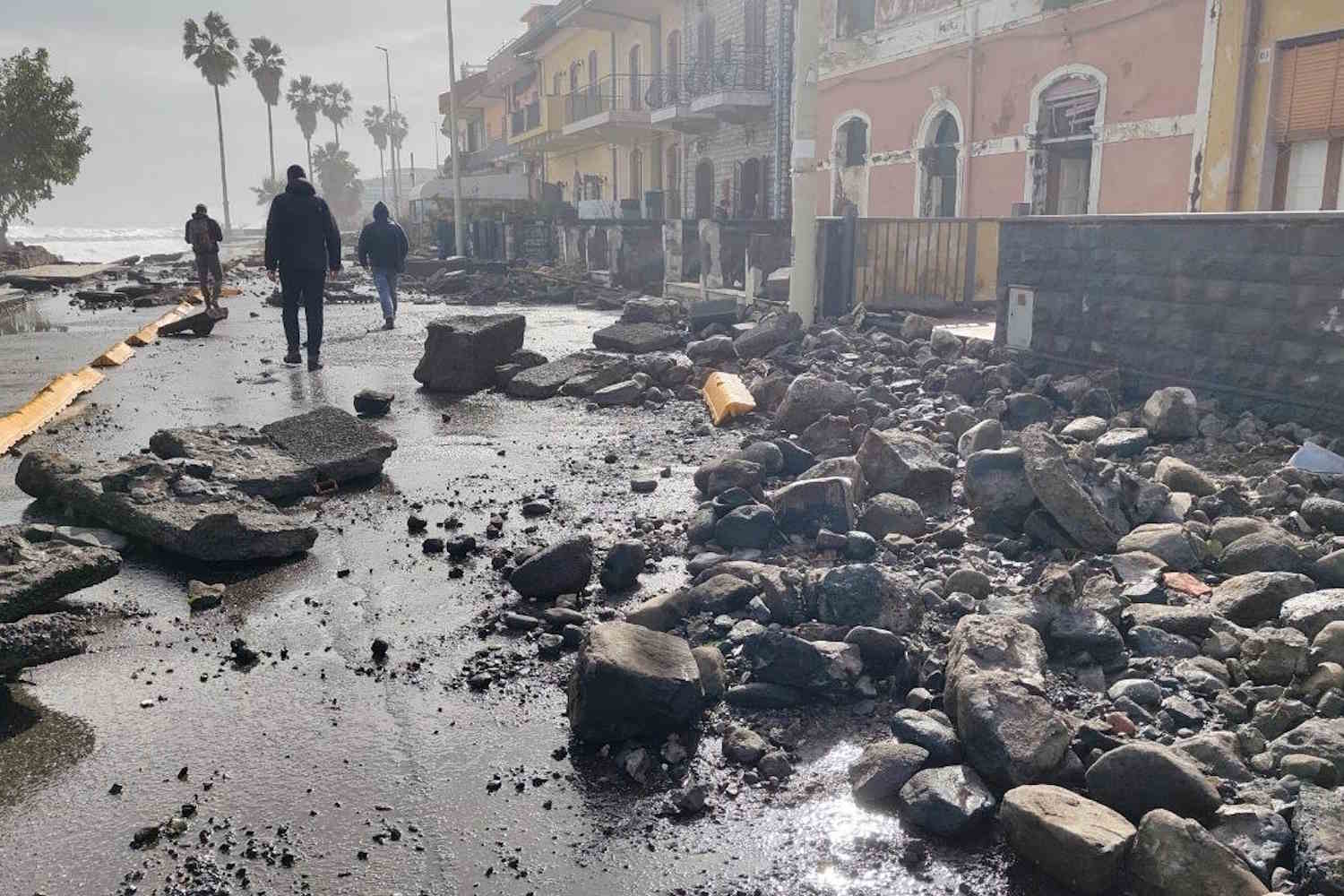
The regions of Calabria, Sardinia and Sicily are still dealing with the damage caused by the passage of Cyclone Harry, which occurred between the end of January and the beginning of February. Floods, landslides, restaurants and factories destroyed by the fury of the sea have brought these territories to their knees. The most critical situation is in Niscemi where a landslide caused a vast area of the town to collapse, forcing over 1,500 residents to leave their homes.
To support affected families and production activities, ARERA has ordered the suspension of payment of electricity, gas, water and waste bills for six months. The measure, contained in resolution 20/2026/R/com, affects all users in the damaged municipalities and also blocks the disconnection procedures for non-payment, regardless of the date on which they were started.
How to obtain the relief
Owners of the affected supplies must submit a request to their supplier by 30 April 2026, using the form attached to the ARERA resolution. The form must be made available by the managers on their websites or through other equivalent methods. This way, families and businesses will be able to take advantage of the payment suspension and focus on rebuilding their lives without the immediate burden of bills.
What happens after the suspension
After the six months of suspension, the accumulated amounts must be paid in installments over at least 12 months, without additional interest. The aim is to facilitate the resumption of payments and ensure that the economic crisis resulting from weather events does not add to the damage already suffered by people and businesses.
A sign of concrete solidarity
This initiative is part of a framework of urgent interventions desired by the competent authorities, after the declaration of the state of emergency resolved by the Council of Ministers on 26 January 2026. ARERA, through this measure, aims to guarantee the continuity of essential services and offer an initial concrete support to the affected populations, while any further extraordinary measures are evaluated – and we hope that this will happen.
The suspension of payments represents the first tangible support for those facing the emergency. The intervention not only relieves families from the immediate burden of bills, but also creates a margin of time to organize reconstruction and deal with the consequences of the disaster in this extremely difficult moment for southern Italy.
You might also be interested in:
