
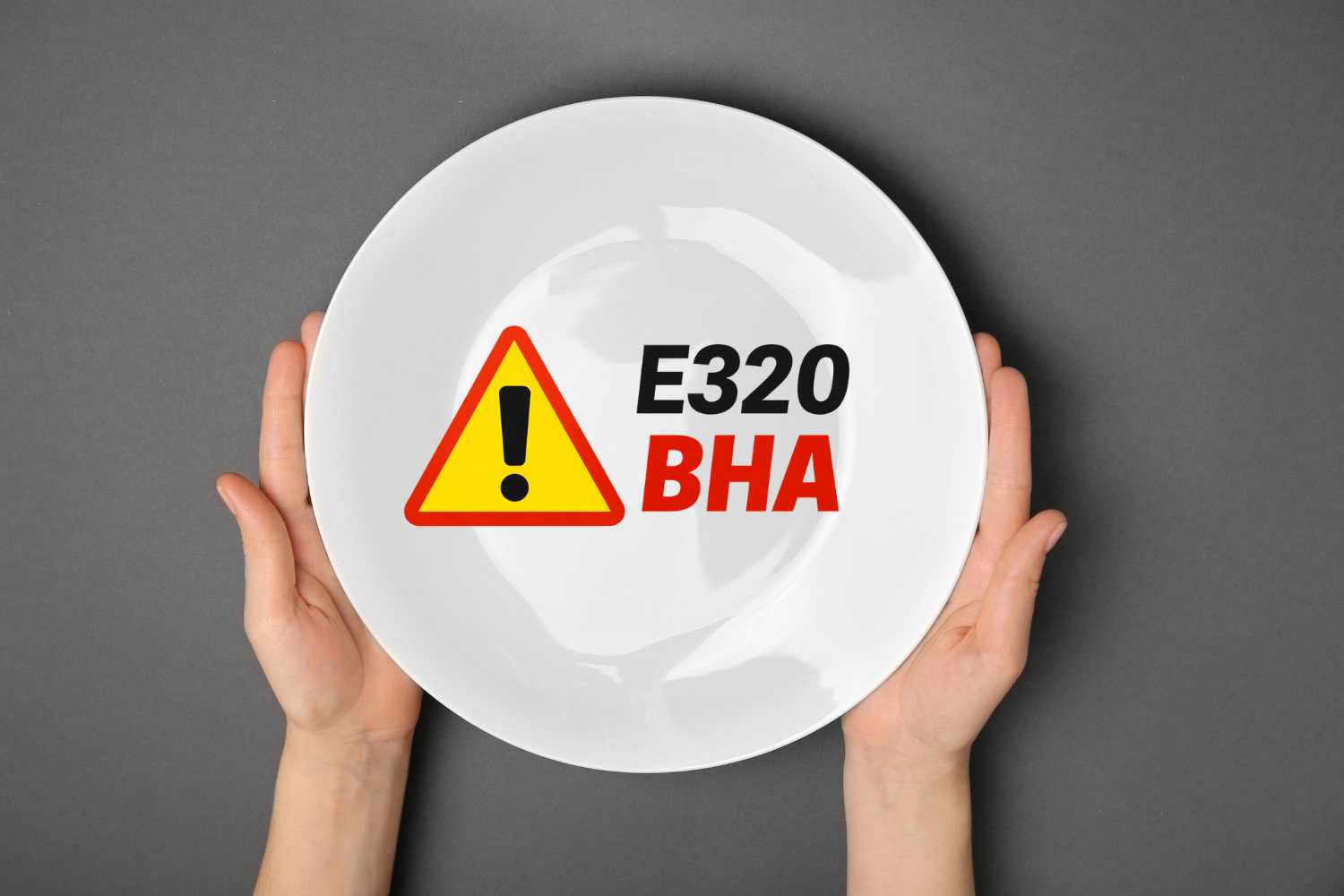
BHA (butylated hydroxyanisole, or E320 on European labels) has been used for decades as a preservative in cosmetics and some food products, where it serves to slow the rancidity of fats and oils. But now the FDA in the United States has started an in-depth evaluation of this substance, examining the possible risks.
Where is the BHA located
BHA (Butylated Hydroxyanisole) is used as an antioxidant preservative to extend the shelf life of many foods. We can find it in breakfast cereals, biscuits, savory snacks, gummies, ice cream, margarines, refined vegetable oils, fast food snacks and frozen meals, as well as in some meat products, such as frankfurters.
Although food labels show a decline in its use in recent years (especially in Europe), BHA remains present in many industrial products, including those intended for children, especially in the United States.
BHA is not only present in food, it is also used in cosmetics such as lip balm, moisturizers, makeup and skin care products, where it serves to prevent the fats present in formulas from going rancid. It can also appear in food supplements, some drugs and food packaging. Essentially, BHA could be hiding anywhere there are fats or oils that could break down.
The suspicions of science
The crux of the issue lies in the scientific evidence accumulated over time. The National Toxicology Program classifies BHA as “reasonably foreseeable carcinogenic to humans” based on studies conducted on animals. A wake-up call that can no longer be ignored, especially considering that we are talking about a substance present daily in the diet of millions of people.
BHA has remained in the food supply for decades, despite being identified by the National Toxicology Program as a ‘reasonably foreseeable human carcinogen’ based on animal studies,” said Secretary of Health Robert F. Kennedy Jr., adding, “This reassessment marks the end of the ‘trust us’ era in food safety.
A review that arrives late?
The FDA had classified BHA as “Generally Recognized as Safe” (GRAS) already in 1958, approving it as a food additive in 1961. Almost 70 years passed therefore before the agency decided to re-evaluate this substance in the light of new scientific knowledge. Perhaps too long, considering that public health advocates have been raising concerns about its safety for decades.
The good news is that this will not be an isolated action. FDA Commissioner Marty Makary announced:
Once our evaluation of BHA is complete, we plan to conduct similar evaluations for butylated hydroxytoluene, a synthetic preservative known as BHT, and azodicarbonamide, a chemical used in yoga mats and also as a dough softener.
Yes, you read that right: azodicarbonamide, the same substance used in yoga mats, is currently used as a food additive in the USA. A paradox that says a lot about the need to clarify what ends up in industrial foods.
And in Europe?
In Europe, the EFSA (European Food Safety Authority) has evaluated the safety of BHA in the past, establishing an acceptable daily dose of 1.0 mg per kg of body weight. However, growing scientific evidence could soon push European authorities to reconsider this position.
The United States’ move could represent an important precedent and stimulate global reflection on the presence of these substances in our foods.
